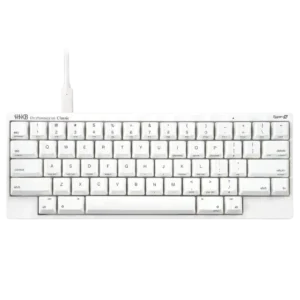
The 60% form factor is a major strength, keeping the board exceptionally compact without shrinking the main typing keys. Reviewers repeatedly praise how little space it occupies.
Pros: switch feel, typing feel
Cons: value for money, layout options

The 60% form factor is a major strength, keeping the board exceptionally compact without shrinking the main typing keys. Reviewers repeatedly praise how little space it occupies.
Pros: switch feel, typing feel
Cons: value for money, layout options

The compact 65% chassis balances desk efficiency with arrow keys and a knob, though users must accept missing dedicated keys.
Pros: overall satisfaction, build quality
Cons: portability, reliability

The 75% size was praised as practical, with reviewers calling it a useful and near-perfect form factor for gaming desks.
Pros: typing feel, design aesthetics
Cons: value for money, materials quality

The slim, light form factor impressed reviewers, with hands-on comments emphasizing how thin and capable the keyboard felt.
Pros: portability, build quality
Cons: value for money, ergonomics
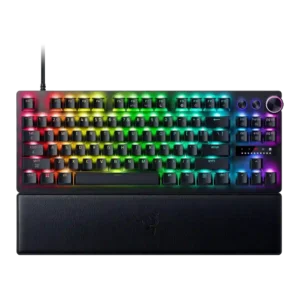
Size and form factor were positive overall, with reviewers praising the 60% model and TKL as practical gaming-friendly sizes.
Pros: customization options, typing feel
Cons: value for money, wrist rest quality
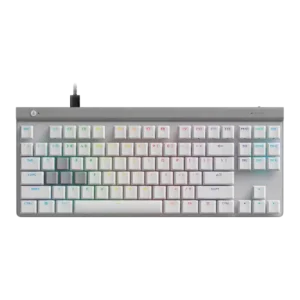
Size and form factor were consistently praised for the very slim 22mm low-profile build and compact TKL footprint.
Pros: build quality, gaming performance
Cons: typing feel, typing comfort

The size and form factor were viewed very positively as compact, low-profile, and suitable for work/play setups.
Pros: battery life, portability
Cons: volume control, switch options

Size and form factor were praised as a practical 75% layout that balances gaming minimalism and productivity.
Pros: value for money, build quality
Cons: switch options, hot-swappable switches

Size and form factor were praised by full-size users and stationary setups, but the same size contributes to poor portability.
Pros: build quality, keycap quality
Cons: switch options, portability
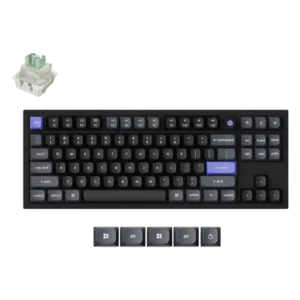
The 80% layout was described as precision-engineered for the target gaming audience.

Size and form factor were mostly praised for compact near-full-size functionality, but the same 96% format was also called awkward or cramped.
Pros: customization options, design aesthetics
Cons: switch options, key spacing

Size and form factor were mostly positive for number-pad and full-layout usefulness, though one review also noted the large footprint.
Pros: typing feel, design aesthetics

The 75% form factor was considered usable and not overly crowded, with enough keys for most needs outside a numpad.
Pros: design aesthetics, build quality
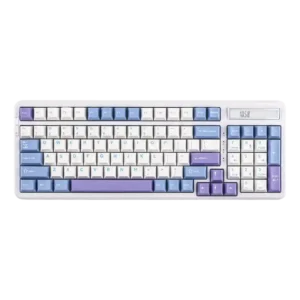
Size and form factor were mostly praised for keeping numpad utility in a compact body, with one reviewer noting sacrifices from the compressed layout.
Pros: RGB customization, keycap quality
Cons: frame rigidity, switch options

The 60% footprint is ideal for gamers who want maximum mouse room, but it can frustrate users who rely on dedicated editing, navigation, or function keys. One reviewer specifically preferred...
Pros: overall satisfaction, customization options
Cons: value for money, switch options

The MiniTKL/75% form factor was generally liked as compact and desk-friendly, with occasional complaints about cramped feel or missing full-size keys.
Pros: software quality, build quality
Cons: value for money, connectivity

Size and form factor are mixed to negative: the full-size layout suits users who need every key but feels large and inflexible to others.
Pros: noise level, RGB lighting quality
Cons: rapid trigger support, extra gaming features

Size and form factor drew mixed reactions: one reviewer found the look dated, while another called it big with all modules attached.
Pros: sound dampening, switch feel
Cons: reliability, rapid trigger support