
Overall: 4.0/5
HDMI 2.1 connectivity is a strong part of the gaming package, enabling high-refresh 4K play across multiple devices.
Pros: overall satisfaction, picture quality
Cons: reliability, build quality

Overall: 4.0/5
HDMI 2.1 connectivity is a strong part of the gaming package, enabling high-refresh 4K play across multiple devices.
Pros: overall satisfaction, picture quality
Cons: reliability, build quality
Overall: 3.8/5
Full-bandwidth HDMI 2.1 connections suit modern consoles, PCs and eARC audio setups without major input compromises.
Pros: picture quality, 4K at 144 Hz support
Cons: sound quality, value for money
Overall: 3.8/5
High-bandwidth HDMI capability is well implemented across all four inputs and supports the QN80F's strongest console and PC features.
Pros: overall satisfaction, picture quality
Cons: value for money, local dimming performance

Overall: 3.9/5
High-bandwidth HDMI connectivity supports the key modern gaming features without relying on a single special input.
Pros: color volume, black levels
Cons: Inconsistent panel and coating by size, sound quality
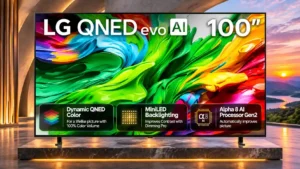
Overall: 3.7/5
Every HDMI input supports the full 48Gbps bandwidth, allowing modern consoles and gaming PCs to use advanced formats.
Pros: picture quality, maximum volume
Cons: sound quality, bass performance
Overall: 3.9/5
Every HDMI input has full 48Gbps bandwidth, enabling high-refresh 4K devices without port juggling.
Pros: gaming performance, overall satisfaction
Cons: sound quality, value for money
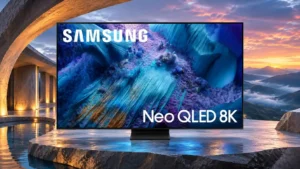
Overall: 3.8/5
High-bandwidth HDMI connections support demanding resolution and refresh-rate combinations, including 8K and high-refresh 4K.
Pros: glare resistance, overall satisfaction
Cons: input lag, value for money
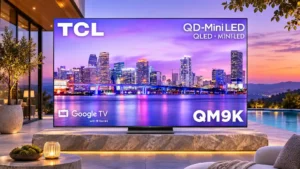
Overall: 3.9/5
High-bandwidth HDMI enables excellent console and PC modes. The practical limitation is how many full-speed inputs are available.
Pros: peak brightness, overall satisfaction
Cons: value for money, shadow detail

Overall: 4.2/5
Full-bandwidth connections enable modern high-refresh 4K signals and adaptive sync without having to choose a single premium port.
Pros: picture quality, glare resistance
Cons: value for money, bass performance
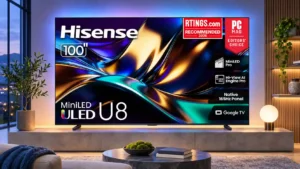
Overall: 4.1/5
Each HDMI port can serve a modern console or high-refresh PC, simplifying which socket to choose for demanding sources.
Pros: peak brightness, HDR brightness
Cons: sound quality, viewing angles
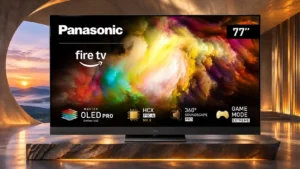
Overall: 4.0/5
The full-speed ports handle demanding gaming signals well, but half of the connections have lower bandwidth.
Pros: overall satisfaction, picture quality
Cons: size options, value for money
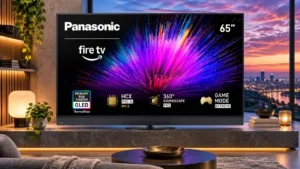
Overall: 4.3/5
Its two high-bandwidth ports enable advanced gaming features, though four-port alternatives suit hardware-heavy setups better.
Pros: picture quality, color accuracy
Cons: bass performance, HDMI 2.1 port count
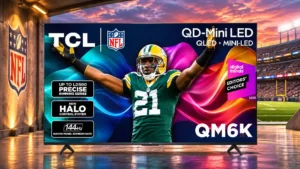
Overall: 4.0/5
High-bandwidth HDMI makes the QM6K unusually capable for a value-oriented display.
Pros: color accuracy, picture quality
Cons: HDR brightness, peak brightness
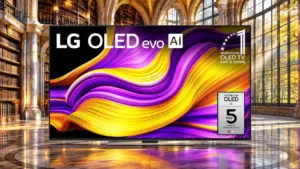
Overall: 4.2/5
Four 48 Gbps connections make the set unusually flexible for demanding game sources and AV systems.
Pros: overall satisfaction, picture quality
Cons: banding control, remote control quality
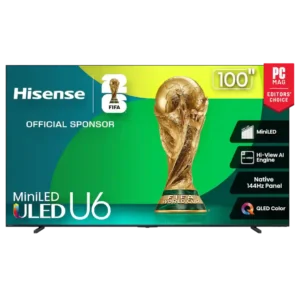
Overall: 4.2/5
HDMI 2.1 capability is a major source conflict: most hands-on reviews praise it for modern console and PC gaming, while one article says the TV lacks HDMI 2.1 entirely. Where...
Pros: overall satisfaction, value for money
Cons: smart TV platform, blooming control
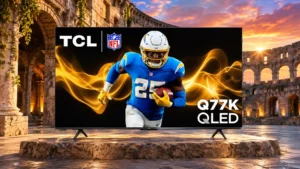
Overall: 3.4/5
Two HDMI inputs on the tested 75-inch unit handle modern 4K high-refresh signals, unlike the two limited 60Hz ports.
Pros: picture quality, value for money
Cons: viewing angles, HDR performance
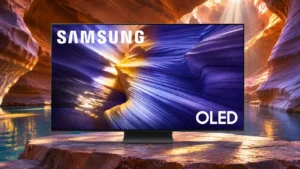
Overall: 3.9/5
Full-rate HDMI inputs make it easy to use high-resolution, high-refresh consoles and PCs without sacrificing ports.
Pros: value for money, overall satisfaction
Cons: Dolby Vision support, sound quality

Overall: 4.0/5
The two compatible ports handle 4K120 and VRR effectively, offering capable current-generation console connections.
Pros: picture quality, black levels
Cons: HDR brightness, value for money

Overall: 4.0/5
The HDMI 2.1 connections allow modern consoles and gaming PCs to use high-bandwidth modes without compromising key gaming features.
Pros: value for money, overall satisfaction
Cons: Remote control usability, sound quality

Overall: 4.0/5
The four ports cover modern gaming features, but the One Connect box limits throughput to 40Gbps, potentially restricting older PC graphics hardware at 4K/165Hz.
Pros: reflection handling, overall satisfaction
Cons: Dolby Vision support, bass performance
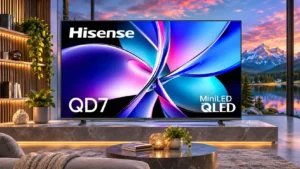
Overall: 3.9/5
HDMI 2.1 is a major size-dependent advantage: only the 75-inch and larger sets receive the bandwidth needed for advanced console and PC signals.
Pros: picture quality, contrast ratio
Cons: HDR performance, motion handling
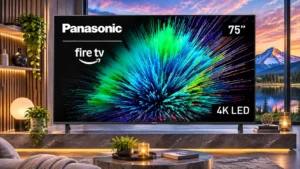
Overall: 3.3/5
Some descriptions praise an HDMI 2.1 connection, but detailed testing identifies HDMI 2.0 bandwidth across the four inputs. There is no verified high-bandwidth gaming benefit.
Pros: picture quality, motion handling
Cons: HDR performance, HDR brightness
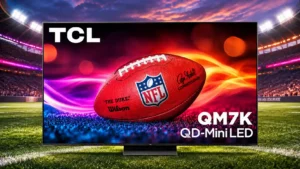
Overall: 3.9/5
High-bandwidth inputs enable smooth 4K gaming with fast refresh rates and VRR.
Pros: peak brightness, value for money
Cons: reflection handling, glare resistance
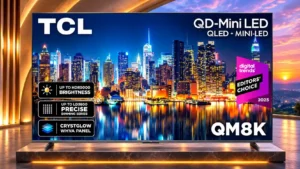
Overall: 4.0/5
The two high-bandwidth HDMI connections handle modern gaming signals well, but they are not enough for every multi-console or PC setup.
Pros: peak brightness, picture quality
Cons: HDMI 2.1 port count, reflection handling

Overall: 3.9/5
The available HDMI 2.1 ports provide the expected high-bandwidth gaming features, but limiting full bandwidth to two inputs is a persistent flagship-level complaint.
Pros: gaming performance, peak brightness
Cons: HDMI 2.1 support, HDMI 2.1 port count
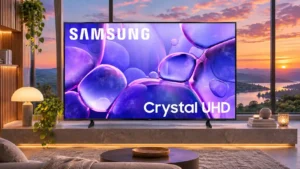
Overall: 3.3/5
Missing HDMI 2.1 bandwidth limits access to higher-refresh 4K modes, though casual users may not miss it.
Pros: color accuracy, upscaling quality
Cons: picture quality, sound quality
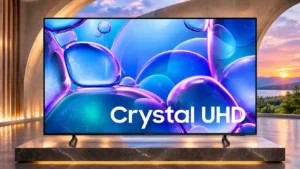
Overall: 3.0/5
The absence of HDMI 2.1 bandwidth keeps modern consoles from their highest-refresh options.
Pros: picture quality, smart TV platform
Cons: value for money, refresh rate
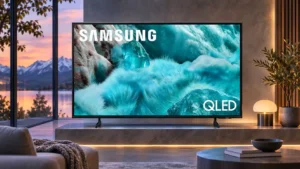
Overall: 3.0/5
HDMI 2.0-only inputs limit the refresh features available from modern consoles; enthusiasts are urged to choose HDMI 2.1 alternatives.
Pros: color gamut, smart TV platform
Cons: value for money, overall satisfaction
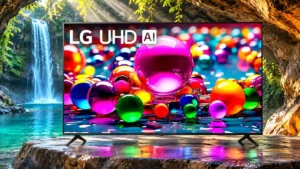
Overall: 3.0/5
HDMI 2.0-class bandwidth limits the UA77 to conventional signals rather than advanced 4K/120 gaming.
Pros: viewing angles, smart TV platform
Cons: overall satisfaction, refresh rate
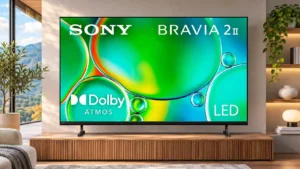
Overall: 3.6/5
HDMI 2.0-class bandwidth leaves the set short of the advanced features expected by buyers of newer gaming consoles.
Pros: picture quality, overall satisfaction
Cons: sound quality, reliability