Best for G-SYNC compatibility
LG G6
5.0 attribute score
Highest scored product for this attribute based on supporting review evidence.

Highest scored product for this attribute based on supporting review evidence.
Balances the attribute score, supporting reviews, and overall product strength.
Has the broadest review evidence for this attribute.
Strongest overall product among items with scored evidence for this attribute.
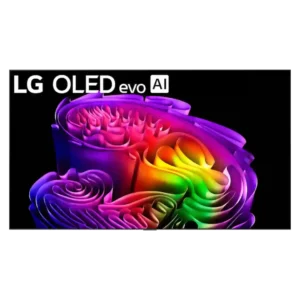
Overall: 4.4/5
Nvidia G-Sync compatibility combines with high refresh rates and low latency for excellent PC gaming.
Pros: picture quality, peak brightness
Cons: value for money, sound quality
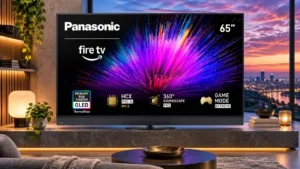
Overall: 4.3/5
NVIDIA-compatible variable refresh works well and offers a nearly tear-free experience.
Pros: picture quality, color accuracy
Cons: bass performance, HDMI 2.1 port count
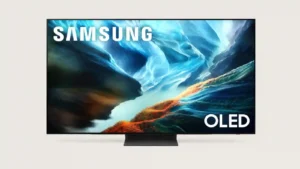
Overall: 4.5/5
Official G-SYNC compatibility broadens the S90H’s appeal to Nvidia PC gamers and complements its 165Hz panel.
Pros: glare resistance, black levels
Cons: Dolby Vision support, color gamut
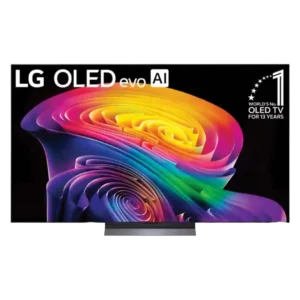
Overall: 4.1/5
Nvidia G-SYNC compatibility helps maintain clean, tear-free motion for PC gaming.
Pros: picture quality, gaming performance
Cons: value for money, sound quality
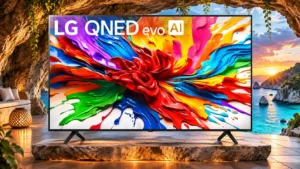
Overall: 3.9/5
Compatibility with G-SYNC improves variable-refresh gaming for supported PCs.
Pros: gaming performance, overall satisfaction
Cons: sound quality, value for money
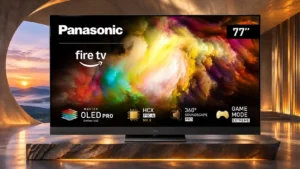
Overall: 4.0/5
G-SYNC compatibility is well implemented across changing frame rates, which is good news for supported PC setups.
Pros: overall satisfaction, picture quality
Cons: size options, value for money
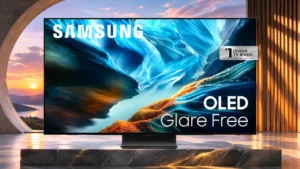
Overall: 4.1/5
Compatible PC hardware can benefit from smooth variable-refresh output over a broad range.
Pros: black levels, contrast ratio
Cons: Dolby Vision support, stutter handling
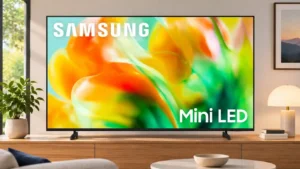
Overall: 3.1/5
G-SYNC Compatible support keeps PC gameplay nearly tear-free when paired with a suitable graphics card.
Pros: gaming performance, color accuracy
Cons: value for money, overall satisfaction
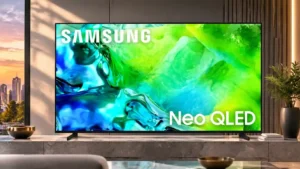
Overall: 3.8/5
Supported larger sizes work with compatible PC variable-refresh setups, reducing tearing; this support should not be assumed for the 50-inch version.
Pros: picture quality, contrast ratio
Cons: blooming control, glare resistance
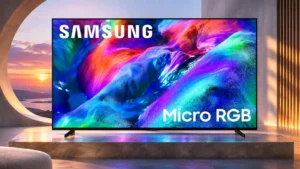
Overall: 3.8/5
Certified G-SYNC support expands the TV's compatibility with gaming PCs and minimizes tearing during frame-rate changes.
Pros: overall satisfaction, color gamut
Cons: value for money, local dimming performance
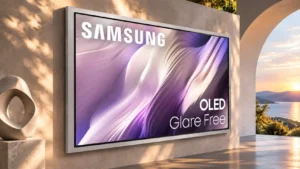
Overall: 4.2/5
G-SYNC compatibility improves motion consistency with supported Nvidia graphics sources.
Pros: picture quality, overall satisfaction
Cons: design and appearance, Dolby Vision support

Overall: 3.5/5
G-SYNC Compatible support helps compatible PC games avoid visible tearing, even when frame rates vary.
Pros: art display mode, design and appearance
Cons: overall satisfaction, HDMI port accessibility
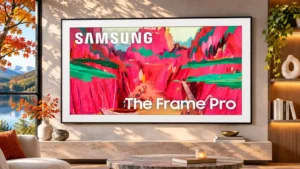
Overall: 3.8/5
Broad variable refresh support covers the principal PC synchronization formats.
Pros: Wireless One Connect compatibility, art display mode
Cons: value for money, input lag
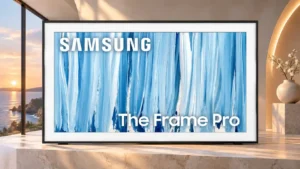
Overall: 3.8/5
G-SYNC Compatible mode works well with supported sources and handles frame-rate changes smoothly.
Pros: cable management, design and appearance
Cons: value for money, Dolby Vision support
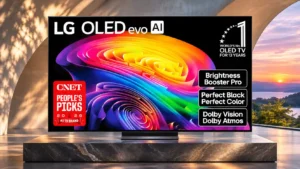
Overall: 4.1/5
G-SYNC makes Nvidia PCs a strong fit, though VRR flicker can still occur in a few dark menus.
Pros: gaming performance, HDR brightness
Cons: reflection handling, glare resistance
Overall: 4.0/5
G-SYNC compatibility is effective with supported sources.
Pros: black levels, picture quality
Cons: glare resistance, reflection handling
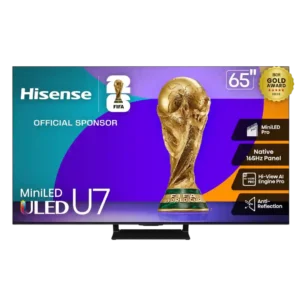
Overall: 4.0/5
G-SYNC compatibility joins FreeSync and HDMI Forum VRR in a broad gaming feature set, though motion behavior can still limit the overall PC-gaming experience.
Pros: overall satisfaction, picture quality
Cons: reliability, build quality
Overall: 3.9/5
G-SYNC compatibility helps supported PC systems avoid tearing during changing frame rates.
Pros: overall satisfaction, picture quality
Cons: Weight and handling, black levels
Overall: 4.0/5
NVIDIA G-SYNC compatibility helps reduce tearing for supported gaming PCs.
Pros: contrast ratio, black levels
Cons: reflection handling, color accuracy
Overall: 3.8/5
Adaptive-sync support extends beyond consoles and makes the QN80F a capable display for compatible gaming PCs.
Pros: overall satisfaction, picture quality
Cons: value for money, local dimming performance
Overall: 3.8/5
G-SYNC Compatible operation is a useful addition for gaming PCs, complementing the set’s native 120Hz panel and low Game Mode input lag.
Pros: HDMI 2.1 port count, overall satisfaction
Cons: HDR performance, bass performance
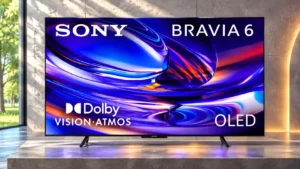
Overall: 3.8/5
G-SYNC support helps keep compatible PC gaming smooth and nearly free of tearing, even as frame rates vary.
Pros: HDMI 2.1 port count, Video input versatility
Cons: value for money, overall satisfaction
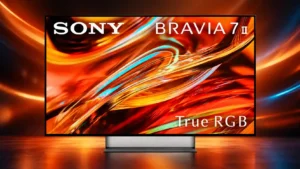
Overall: 4.2/5
G-SYNC support broadens PC gaming compatibility and gives Nvidia users a useful variable-refresh option.
Pros: overall satisfaction, picture quality
Cons: HDMI 2.1 port count, reflection handling
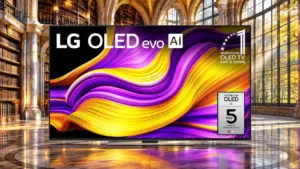
Overall: 4.2/5
G-SYNC compatibility is a mixed area, combining useful capabilities with practical caveats.
Pros: overall satisfaction, picture quality
Cons: banding control, remote control quality
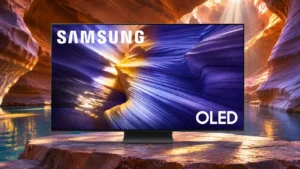
Overall: 3.9/5
G-SYNC support helps PCs avoid screen tearing and maintain smooth motion when frame rates vary.
Pros: value for money, overall satisfaction
Cons: Dolby Vision support, sound quality

Overall: 4.0/5
G-SYNC compatibility supports smoother PC play with fewer tearing artifacts on compatible hardware.
Pros: value for money, overall satisfaction
Cons: Remote control usability, sound quality

Overall: 4.0/5
Variable-refresh compatibility with modern PCs is helpful, although some users may need to enable the setting manually.
Pros: reflection handling, overall satisfaction
Cons: Dolby Vision support, bass performance
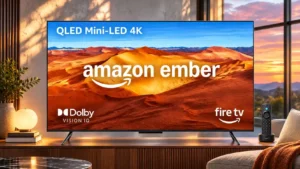
Overall: 3.7/5
G-SYNC compatibility, alongside other VRR formats, broadens the appeal for gaming PCs.
Pros: value for money, HDR brightness
Cons: color accuracy, shadow detail
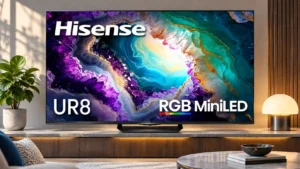
Overall: 4.0/5
The supported VRR modes offer a versatile tear-reduction setup across compatible gaming hardware.
Pros: gaming performance, color volume
Cons: blooming control, dark-room performance

Overall: 4.2/5
Adaptive-sync support gives PC gamers flexible tear-reduction options across a wide range of frame rates.
Pros: picture quality, glare resistance
Cons: value for money, bass performance

Overall: 4.0/5
G-SYNC works across the supported variable-refresh range on the 98-inch model.
Pros: picture quality, black levels
Cons: HDR brightness, value for money
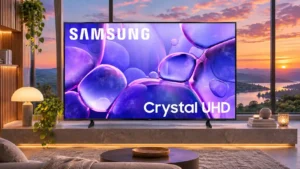
Overall: 3.3/5
G-SYNC-compatible VRR behavior is limited by the TV's narrow refresh range, so it is less helpful than on a proper gaming display.
Pros: color accuracy, upscaling quality
Cons: picture quality, sound quality
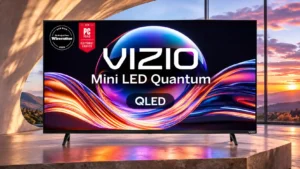
Overall: 2.9/5
Some testing found useful G-SYNC-compatible operation, while another assessment disputed full compatibility. Expect limitations rather than a seamless PC gaming experience.
Pros: value for money, picture quality
Cons: account requirements, gaming performance
Overall: 3.9/5
G-SYNC-style VRR has a specific problem at a locked 60Hz desktop setting on certain older NVIDIA cards; higher-refresh connections perform normally.
Pros: peak brightness, overall satisfaction
Cons: value for money, shadow detail

Overall: 3.9/5
Formal Nvidia G-SYNC support is inconsistent across descriptions and lacks the clear certification PC gamers may expect, despite usable HDMI VRR.
Pros: gaming performance, peak brightness
Cons: HDMI 2.1 support, HDMI 2.1 port count
Overall: 4.1/5
NVIDIA systems locked to 60Hz can fail to use variable refresh correctly. Higher-refresh PC modes avoid the specific problem.
Pros: picture quality, black levels
Cons: viewing angles, motion clarity
Overall: 4.0/5
G-SYNC-style VRR can misbehave when an NVIDIA system is fixed at 60Hz; higher-refresh desktop settings work better.
Pros: peak brightness, picture quality
Cons: HDMI 2.1 port count, reflection handling
Overall: 4.0/5
The g-sync compatibility remains a drawback compared with the best alternatives.
Pros: peak brightness, blooming control
Cons: value for money, motion clarity
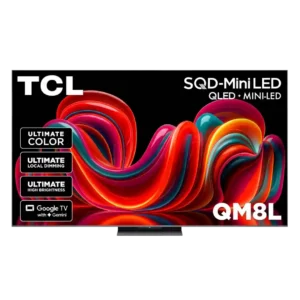
Overall: 4.4/5
There is no G-SYNC support, a clear limitation for PC gamers invested in Nvidia’s ecosystem.
Pros: picture quality, value for money
Cons: stand quality, judder handling