
Overall: 4.1/5
Google TV aggregates suggestions across services to simplify finding a show, with useful personalized results.
Pros: peak brightness, HDR brightness
Cons: sound quality, viewing angles

Overall: 4.1/5
Google TV aggregates suggestions across services to simplify finding a show, with useful personalized results.
Pros: peak brightness, HDR brightness
Cons: sound quality, viewing angles

Overall: 4.2/5
Recommendations learn what household members watch and can offer useful suggestions from the many available apps.
Pros: high-refresh-rate gaming, gaming performance
Cons: value for money, bass performance
Overall: 3.9/5
Content discovery is flexible, with platform-based recommendations and smart searches. Context can change depending on whether an app or the TV home screen is active.
Pros: peak brightness, overall satisfaction
Cons: value for money, shadow detail

Overall: 4.0/5
Tailored suggestions can be helpful, but irrelevant promoted rows and personalization gaps can make discovery feel cluttered.
Pros: reflection handling, overall satisfaction
Cons: Dolby Vision support, bass performance

Overall: 3.9/5
Google TV's personalized recommendations make it easier to discover shows and movies across services.
Pros: overall satisfaction, picture quality
Cons: Weight and handling, black levels

Overall: 3.9/5
Google TV recommendations are usable but not especially personal; suggestions can lean generic or surface services the viewer does not use.
Pros: gaming performance, peak brightness
Cons: HDMI 2.1 support, HDMI 2.1 port count
Overall: 3.3/5
Content recommendations become more relevant as Fire TV learns viewing preferences, helping viewers rediscover shows and apps.
Pros: picture quality, motion handling
Cons: HDR performance, HDR brightness
Overall: 3.9/5
Viewing profiles and personalized suggestions can surface useful programs, though the platform also promotes Samsung’s own channels.
Pros: value for money, overall satisfaction
Cons: Dolby Vision support, sound quality

Overall: 4.0/5
Google TV’s recommendations are useful for surfacing content based on viewing habits, and reviewers generally liked the discovery experience.
Pros: overall satisfaction, picture quality
Cons: reliability, build quality
Overall: 3.0/5
Tizen's suggested content felt sensible to one user, making casual discovery more straightforward.
Pros: color gamut, smart TV platform
Cons: value for money, overall satisfaction
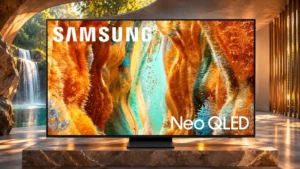
Overall: 3.8/5
Home-screen suggestions and click-to-search content details can be handy, though relevance varies.
Pros: picture quality, 4K at 144 Hz support
Cons: sound quality, value for money
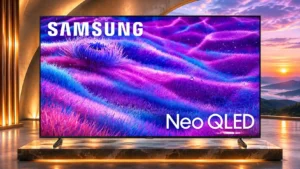
Overall: 3.8/5
Tizen surfaces viewing-based suggestions and offers a customizable app row, though sponsored content occupies part of the home screen.
Pros: overall satisfaction, picture quality
Cons: value for money, local dimming performance

Overall: 3.9/5
Tizen can suggest programming from watch history and gives personalized shortcuts.
Pros: color volume, black levels
Cons: Inconsistent panel and coating by size, sound quality
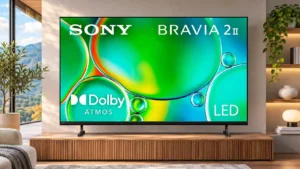
Overall: 3.6/5
Google TV places suggested shows and films from multiple services in one location, reducing time spent navigating separate apps.
Pros: picture quality, overall satisfaction
Cons: sound quality, reliability

Overall: 3.4/5
Google TV collects shows and suggestions from several services in one home screen, helping reduce app hopping.
Pros: picture quality, value for money
Cons: viewing angles, HDR performance

Overall: 4.0/5
Google TV surfaces relevant programs effectively but includes promoted recommendations alongside personal picks.
Pros: peak brightness, picture quality
Cons: HDMI 2.1 port count, reflection handling
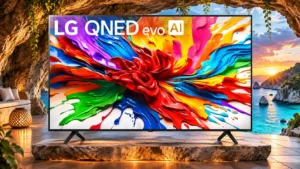
Overall: 3.9/5
Recommendations can be tailored to viewing habits, and some home-screen suggestions can be turned off.
Pros: gaming performance, overall satisfaction
Cons: sound quality, value for money

Overall: 4.0/5
Google TV organizes shows and watchlists well, but its recommendation system can feel busy and less clever than alternatives.
Pros: picture quality, black levels
Cons: HDR brightness, value for money

Overall: 4.0/5
Rows and personalized suggestions can be convenient, but not every streaming service appears consistently.
Pros: color accuracy, picture quality
Cons: HDR brightness, peak brightness

Overall: 4.2/5
Personalized suggestions can help viewers discover programs, but promoted and auto-playing content can feel intrusive.
Pros: picture quality, glare resistance
Cons: value for money, bass performance

Overall: 4.2/5
Personalized profiles and AI suggestions help organize viewing, but the lack of a universal Continue Watching row disappoints some users.
Pros: value for money, color accuracy
Cons: HDR brightness, reflection handling
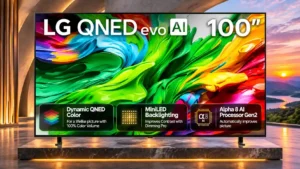
Overall: 3.7/5
Home banners and suggested programs can be hidden for a cleaner interface; the apps page remains less customizable.
Pros: picture quality, maximum volume
Cons: sound quality, bass performance

Overall: 4.0/5
Personalized suggestions can be convenient, but they are not fundamentally more useful than streaming services’ own recommendations.
Pros: value for money, overall satisfaction
Cons: Remote control usability, sound quality
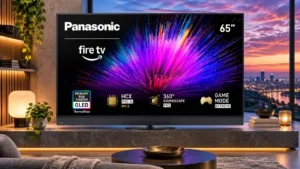
Overall: 4.3/5
Suggestions can lean too strongly toward Amazon's catalog and miss the household's actual interests.
Pros: picture quality, color accuracy
Cons: bass performance, HDMI 2.1 port count

Overall: 4.2/5
Content recommendations tend to lean heavily toward Amazon material, and multiple sources find that emphasis cluttered or overly ecosystem-driven.
Pros: overall satisfaction, value for money
Cons: smart TV platform, blooming control
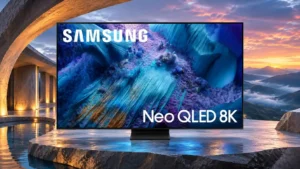
Overall: 3.8/5
Tizen presents a large volume of suggested programming, and the crowded rows can make finding a particular app less convenient.
Pros: glare resistance, overall satisfaction
Cons: input lag, value for money