Best for hot-swappable switches
be quiet! Dark Mount
5.0 attribute score
Highest scored product for this attribute based on supporting review evidence.

Highest scored product for this attribute based on supporting review evidence.
Balances the attribute score, supporting reviews, and overall product strength.
Has the broadest review evidence for this attribute.
Strongest overall product among items with scored evidence for this attribute.

Hot-swappable switches were consistently praised for making switches and keycaps easy to replace or customize.
Pros: sound dampening, switch feel
Cons: reliability, rapid trigger support
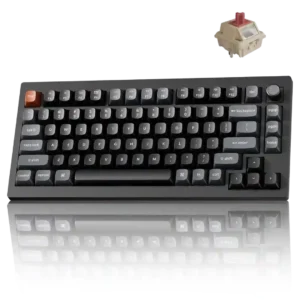
Hot-swap sockets accept broad three- and five-pin MX-style choices, so owners are not locked into the factory Red, Brown, or Banana switches.
Pros: gaming performance, overall satisfaction
Cons: polling rate, frame rigidity

The PCB accepts 3-pin and 5-pin mechanical switches, giving owners broad replacement and tuning flexibility without soldering.
Pros: overall satisfaction, build quality
Cons: portability, reliability
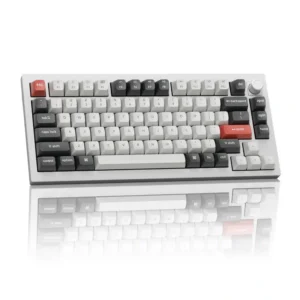
The universal three- and five-pin hot-swap PCB makes switch experimentation and replacement straightforward without soldering.
Pros: build quality, overall satisfaction
Cons: portability, ergonomics
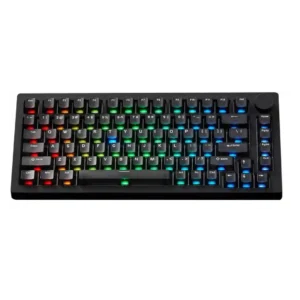
Hot-swappable switch support is highly praised, especially the ability to use 3-pin, 5-pin, magnetic, and mechanical switches depending on version.
Pros: build quality, customization options
Cons: reliability

Hot-swappable switch support was praised as seamless with compatible magnetic switches.
Pros: typing feel, design aesthetics

One supplied review praised hot-swappable switch flexibility, though most Q5 HE-specific switch discussion focused on limited magnetic switch options.
Pros: size and form factor, typing feel
Cons: switch options, portability
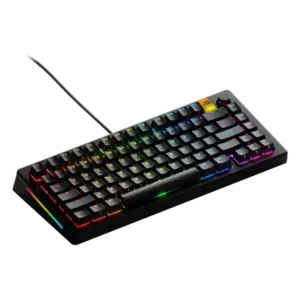
Hot-swappability was a standout, especially the unusual ability to use both magnetic HE and mechanical MX-style switches.
Pros: customization options, software quality
Cons: value for money, materials quality
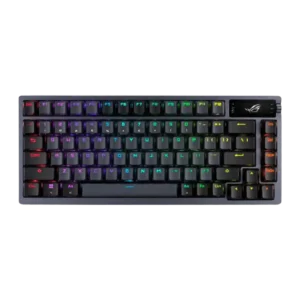
Hot-swappable switches were treated as a key enthusiast-friendly strength, making switch experiments and modifications much easier.
Pros: switch feel, typing feel
Cons: software quality, volume control
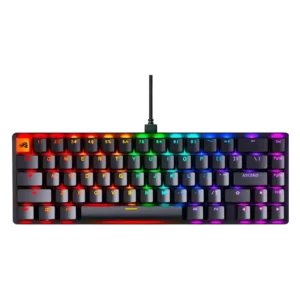
Hot-swappable switches were a standout feature, letting users swap switches without soldering and making the board beginner-friendly.
Pros: switch feel, value for money
Cons: key spacing, actuation consistency
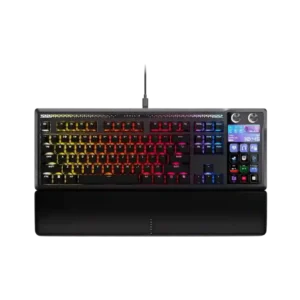
Hot-swap support is a well-liked enthusiast feature, with compatibility for 3-pin and 5-pin mechanical switches. Reviewers appreciate being able to change the feel without soldering.
Pros: macro customization, switch feel
Cons: software quality, value for money

Hot-swappable switches were widely appreciated as a practical way to extend the board and tailor its feel.
Pros: gaming performance, switch feel
Cons: value for money, extra gaming features
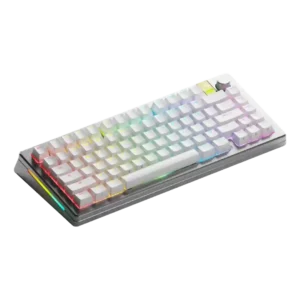
Hot-swappable switch support was highly praised, especially the dual MX and Hall effect socket implementation.
Pros: customization options, gaming performance
Cons: value for money, software quality
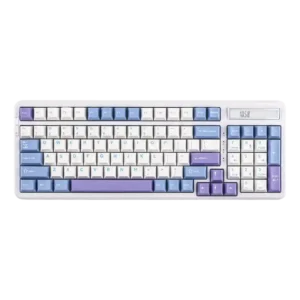
Hot-swappable switches were a clear positive where reviewers judged the feature, especially because swapping avoids soldering and was called a godsend.
Pros: RGB customization, keycap quality
Cons: frame rigidity, switch options

Hot-swappable switches were one of the strongest points, repeatedly praised for making the keyboard easy to tailor after purchase.
Pros: software quality, switch feel
Cons: legend visibility, extra gaming features
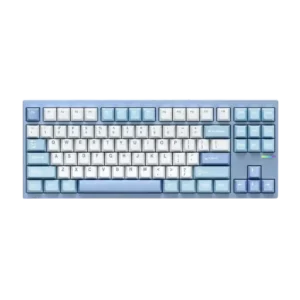
Hot-swappable switches were consistently treated as a benefit because users can replace switches without soldering and personalize the board.
Pros: customization options, build quality
Cons: connectivity
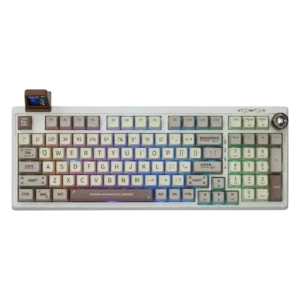
Hot-swappable switch support is a clear strength, repeatedly praised for repairability, flexibility, and broad 3-/5-pin compatibility.
Pros: value for money, typing feel
Cons: software quality, reliability

Switches can be replaced without soldering, which makes experimentation and maintenance easy. The catch is that the PCB is limited to compatible Hall Effect switches rather than the full mechanical-switch...
Pros: overall satisfaction, customization options
Cons: value for money, switch options

Hot-swappable switch support is praised when reviewers connect it to easy customization and 5-pin switch flexibility.
Pros: noise level, RGB lighting quality
Cons: rapid trigger support, extra gaming features
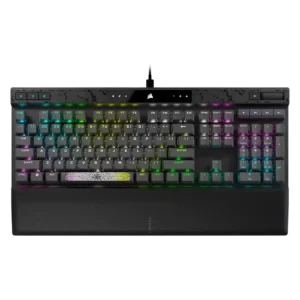
Hot-swappability had limited positive evidence from one reviewer who called it a major bonus for serviceability.
Pros: customization options, gaming performance
Cons: value for money, noise level

Hot-swappable switches are consistently positive, giving users functional flexibility and easy future upgrades without soldering.
Pros: typing feel, gaming performance
Cons: software quality, value for money

One reviewer highlighted the Hall-effect switches as easy to swap.
Pros: design aesthetics, build quality
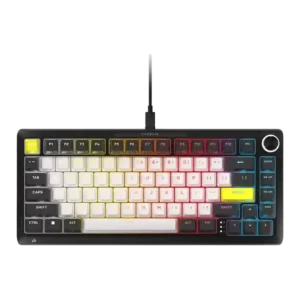
Hot-swap evidence was positive where reviewers judged replacement easy, though one noted the capability is limited to compatible magnetic switches.
Pros: typing feel, build quality
Cons: value for money, wireless performance
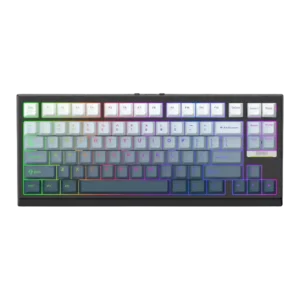
Hot-swappable switches were seen as useful, though one reviewer cautioned they swap only with magnetic alternatives rather than traditional mechanical switches.
Pros: gaming performance, key responsiveness
Cons: compatibility

Hot-swappable switches were seen as a meaningful enthusiast-friendly advantage, especially for users who want to experiment or replace switches.
Pros: typing feel, design aesthetics
Cons: value for money, materials quality
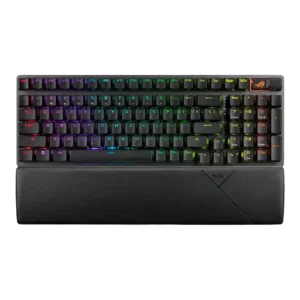
Hot-swappable switches are widely praised as a long-term ownership and tinkering advantage.
Pros: switch feel, typing feel
Cons: software quality, key spacing
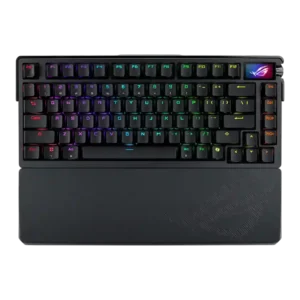
Hot-swappable switches were viewed as useful and convenient, though one reviewer felt the feature is less valuable at such a high prebuilt price.
Pros: build quality, customization options
Cons: value for money, rapid trigger support

Hot-swappable switch support was useful and positive, giving reviewers flexibility to change switches later.
Pros: battery life, portability
Cons: volume control, switch options
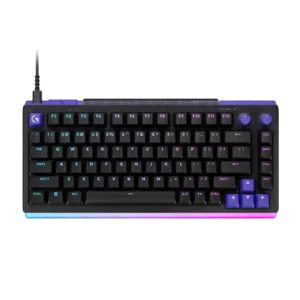
Every mechanical socket is easy to replace, while 39 positions also accept TMR switches. Reviewers liked the rare hybrid flexibility but often criticized the limited analog coverage and the inclusion...
Pros: overall satisfaction, design aesthetics
Cons: value for money, wrist rest quality
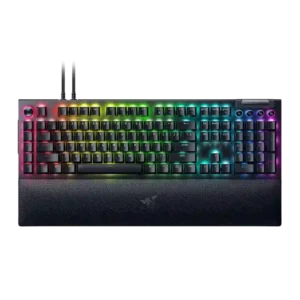
Hot-swap support depended on variant: 75% boards were praised for easy switch changes, while full-size models were criticized for locking users into one switch choice.
Pros: value for money, wrist rest quality
Cons: software quality, ergonomics

Hot-swap support is useful but constrained because compatible switches are limited to specific magnetic options rather than standard MX-style choices.
Pros: value for money, software quality
Cons: switch options, ergonomics
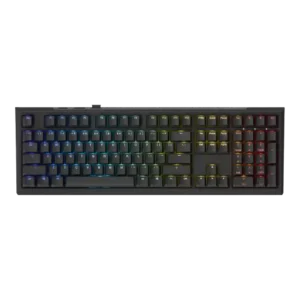
Hot-swap support was useful in principle, but proprietary switch limits, switches popping out with keycaps, and no spares reduced confidence.
Pros: value for money, gaming performance
Cons: software quality, customization options
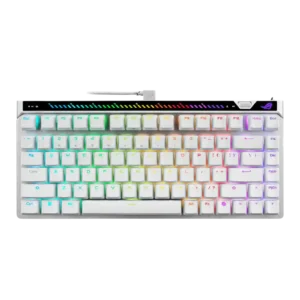
Hot-swap sentiment was mixed because the board supports swapping but practical compatibility is limited.
Pros: switch feel, customization options
Cons: value for money, wireless performance

Hot-swap support was limited by compatibility, because the switches are swappable but not compatible with traditional mechanical switches.
Pros: build quality, switch feel
Cons: switch options
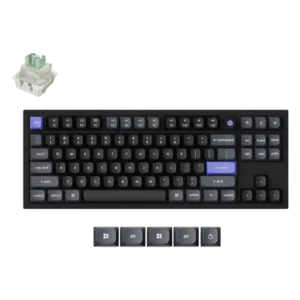
Hot-swap support is useful but notably limited because only Keychron’s Ultra-Fast Lime Magnetic switches are compatible.

Hot-swapping was treated as limited: reviewers acknowledged swappability but stressed that traditional switches or broader switch ecosystems are not supported.
Pros: customization options, design aesthetics
Cons: switch options, key spacing
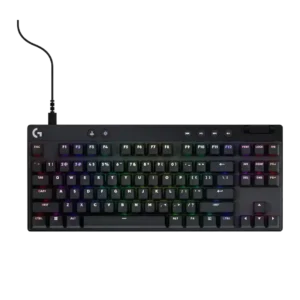
Hot-swappability is a major plus on older Pro X boards but a major complaint on later TKL, 60%, and Rapid versions when absent or proprietary.
Pros: build quality, software quality
Cons: value for money, hot-swappable switches

Hot-swap support was treated as useful but limited, because Hall-effect compatibility and proprietary switch support reduce flexibility.
Pros: software quality, build quality
Cons: value for money, connectivity

Hot-swap evidence was mixed by model and reviewer, ranging from no hot-swap support to Hall-effect switch swapping on TKL/Mini units.
Pros: value for money, rapid trigger support
Cons: media controls, stabilizer quality

Hot-swappable switch support was mixed to negative: some valued magnetic hot-swap support, but others emphasized the narrow compatible-switch range.
Pros: value for money, build quality
Cons: switch options, hot-swappable switches

Hot-swap support was consistently treated as limited because the board only accepts compatible Hall effect double-rail switches.
Pros: value for money, design aesthetics
Cons: cable quality, ergonomics
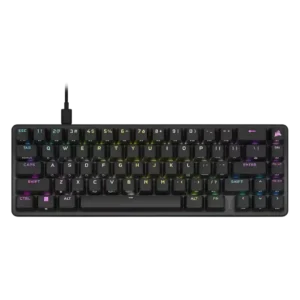
Hot-swap support was a weakness overall: reviewers mostly pointed to missing or limited switch customization, despite one review noting some PCB flexibility.
Pros: sound dampening, value for money
Cons: ergonomics, polling rate

Hot-swappable switch support was mixed-to-negative because replacement is possible but limited to compatible Gateron magnetic switches.
Pros: build quality, keycap quality
Cons: switch options, portability

Hot-swappability is a limitation: several reviewers note the board is not hot-swappable, with only one reviewer downplaying the issue.
Pros: portability, value for money
Cons: software quality, key spacing
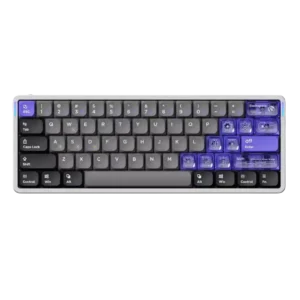
Hot-swap support was limited in practical value because compatible low-profile magnetic switch choices were narrow.
Pros: software quality, switch feel
Cons: connectivity, layout options
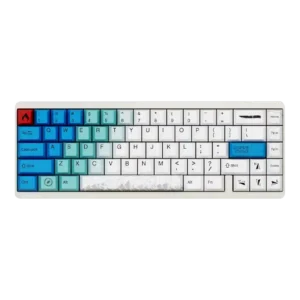
Hot-swappable switch support was scored low from one review because switch choice and hot-swap ability were described as limited.
Pros: design aesthetics, build quality
Cons: software quality, customization options

Hot-swap support was a clear weakness: reviewers repeatedly noted the switches are not hot-swappable or customizable at the hardware level.
Pros: switch feel, battery life
Cons: volume control, media controls
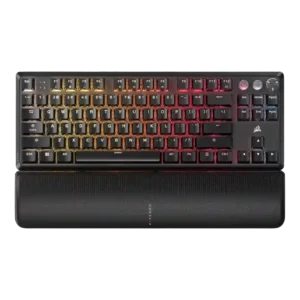
Hot-swappable switch support was a major split: some models finally offered it, while many Pro/RGB Pro reviews criticized the lack of hot-swap repairability.
Pros: value for money, keycap quality
Cons: polling rate, acoustics
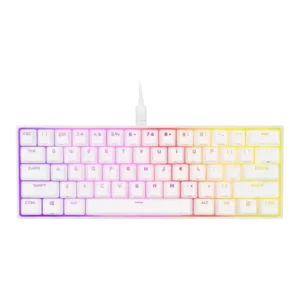
Hot-swappable switches were a weakness because reviewers wanted the feature and noted the switches were soldered.
Pros: switch feel, size and form factor
Cons: polling rate, value for money
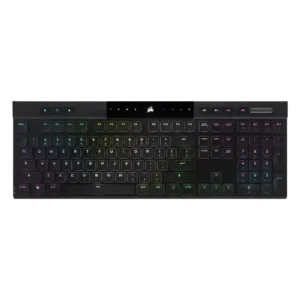
Hot-swap capability was scored poorly because reviewers explicitly noted the switches or keycaps are not meant to be swapped.
Pros: battery life, switch feel
Cons: value for money, ease of switch replacement