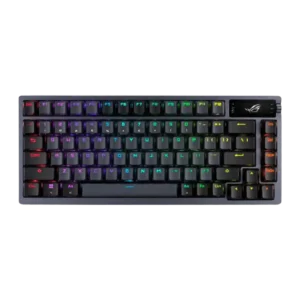
Hot-swappable switches were treated as a key enthusiast-friendly strength, making switch experiments and modifications much easier.
Pros: switch feel, typing feel
Cons: software quality, volume control

Hot-swappable switches were treated as a key enthusiast-friendly strength, making switch experiments and modifications much easier.
Pros: switch feel, typing feel
Cons: software quality, volume control
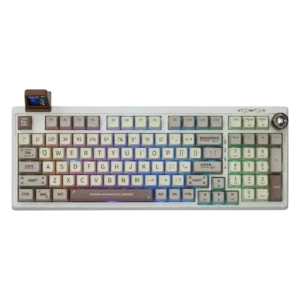
Hot-swappable switch support is a clear strength, repeatedly praised for repairability, flexibility, and broad 3-/5-pin compatibility.
Pros: value for money, typing feel
Cons: software quality, reliability
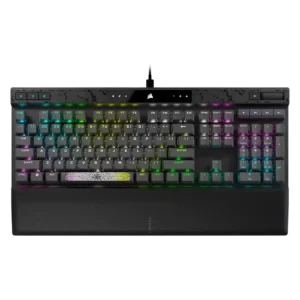
Hot-swappability had limited positive evidence from one reviewer who called it a major bonus for serviceability.
Pros: customization options, gaming performance
Cons: value for money, noise level
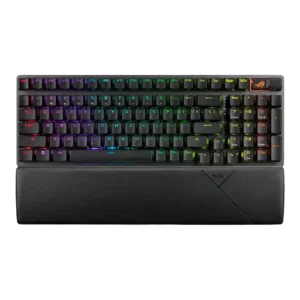
Hot-swappable switches are widely praised as a long-term ownership and tinkering advantage.
Pros: switch feel, typing feel
Cons: software quality, key spacing
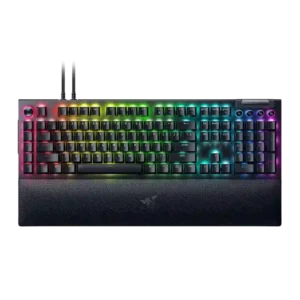
Hot-swap support depended on variant: 75% boards were praised for easy switch changes, while full-size models were criticized for locking users into one switch choice.
Pros: value for money, wrist rest quality
Cons: software quality, ergonomics
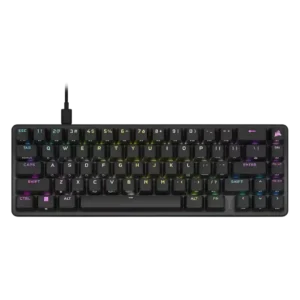
Hot-swap support was a weakness overall: reviewers mostly pointed to missing or limited switch customization, despite one review noting some PCB flexibility.
Pros: sound dampening, value for money
Cons: ergonomics, polling rate
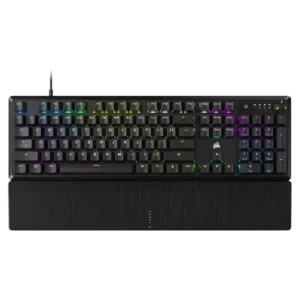
Hot-swappable switch support was consistently negative because reviewers emphasized that the board is not hot-swappable.
Pros: value for money, typing feel
Cons: wrist rest quality, media controls