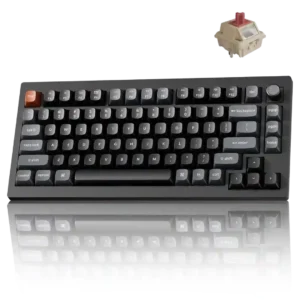
Hot-swap sockets accept broad three- and five-pin MX-style choices, so owners are not locked into the factory Red, Brown, or Banana switches.
Pros: gaming performance, overall satisfaction
Cons: polling rate, frame rigidity

Hot-swap sockets accept broad three- and five-pin MX-style choices, so owners are not locked into the factory Red, Brown, or Banana switches.
Pros: gaming performance, overall satisfaction
Cons: polling rate, frame rigidity
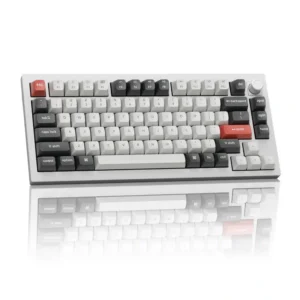
The universal three- and five-pin hot-swap PCB makes switch experimentation and replacement straightforward without soldering.
Pros: build quality, overall satisfaction
Cons: portability, ergonomics
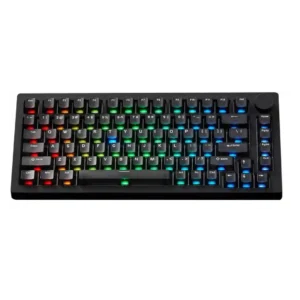
Hot-swappable switch support is highly praised, especially the ability to use 3-pin, 5-pin, magnetic, and mechanical switches depending on version.
Pros: build quality, customization options
Cons: reliability
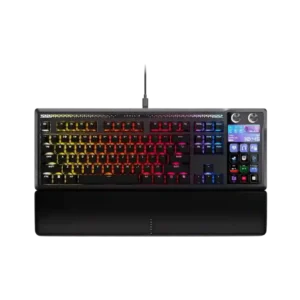
Hot-swap support is a well-liked enthusiast feature, with compatibility for 3-pin and 5-pin mechanical switches. Reviewers appreciate being able to change the feel without soldering.
Pros: macro customization, switch feel
Cons: software quality, value for money
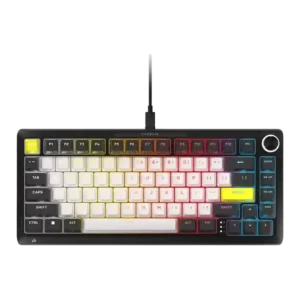
Hot-swap evidence was positive where reviewers judged replacement easy, though one noted the capability is limited to compatible magnetic switches.
Pros: typing feel, build quality
Cons: value for money, wireless performance
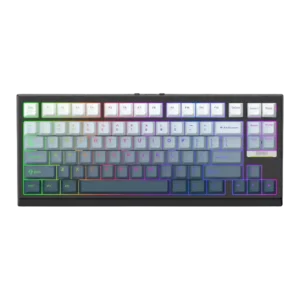
Hot-swappable switches were seen as useful, though one reviewer cautioned they swap only with magnetic alternatives rather than traditional mechanical switches.
Pros: gaming performance, key responsiveness
Cons: compatibility
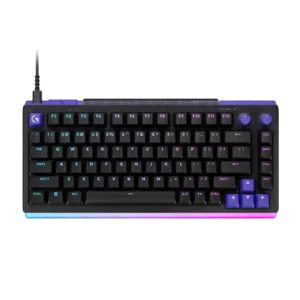
Every mechanical socket is easy to replace, while 39 positions also accept TMR switches. Reviewers liked the rare hybrid flexibility but often criticized the limited analog coverage and the inclusion...
Pros: overall satisfaction, design aesthetics
Cons: value for money, wrist rest quality
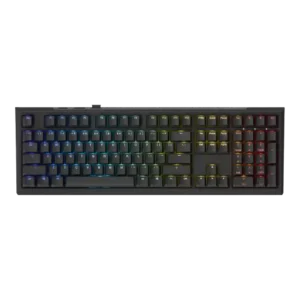
Hot-swap support was useful in principle, but proprietary switch limits, switches popping out with keycaps, and no spares reduced confidence.
Pros: value for money, gaming performance
Cons: software quality, customization options
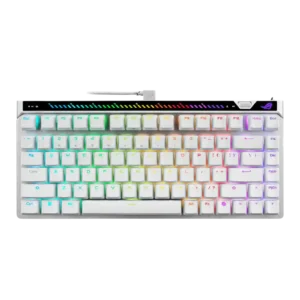
Hot-swap sentiment was mixed because the board supports swapping but practical compatibility is limited.
Pros: switch feel, customization options
Cons: value for money, wireless performance
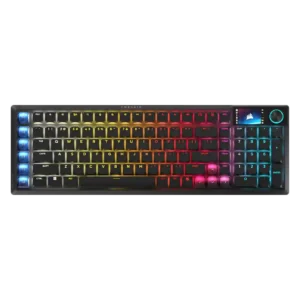
The OPX switches are not hot-swappable, a major limitation for buyers who want easy repairs, alternate switch feels, or future upgrades.
Pros: overall satisfaction, macro customization
Cons: value for money, software quality