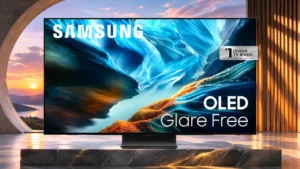
Overall: 4.1/5
The 165Hz-capable panel, low lag and broad VRR support are powerful advantages for gaming computers.
Pros: black levels, contrast ratio
Cons: Dolby Vision support, stutter handling

Overall: 4.1/5
The 165Hz-capable panel, low lag and broad VRR support are powerful advantages for gaming computers.
Pros: black levels, contrast ratio
Cons: Dolby Vision support, stutter handling
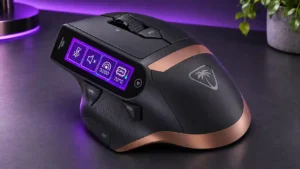
Overall: 3.6/5
Fast tracking and extensive controls suit PC players who appreciate adjustable settings and streaming shortcuts.
Pros: charging convenience, battery life
Cons: Touchscreen usefulness, value for money
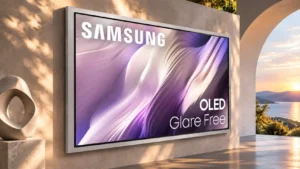
Overall: 4.2/5
A gaming PC can exploit 4K at up to 165Hz with VRR, though close-up text clarity is not monitor-perfect.
Pros: picture quality, overall satisfaction
Cons: design and appearance, Dolby Vision support
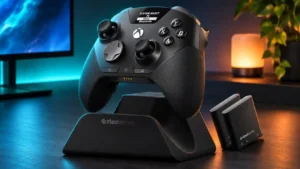
Overall: 4.3/5
PC players receive responsive inputs, saved profiles, and easy Xbox switching, with a major caution about lag on some Windows 10 setups.
Pros: battery replaceability, charging dock support
Cons: value for money, back button placement
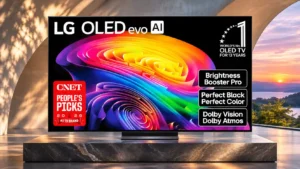
Overall: 4.1/5
High refresh rates up to 165Hz, full-bandwidth inputs and VRR make this a powerful PC display, with some caveats for Windows text and 165Hz image stability.
Pros: gaming performance, HDR brightness
Cons: reflection handling, glare resistance
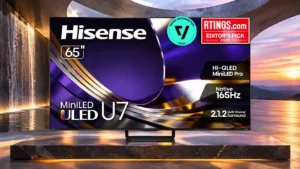
Overall: 4.2/5
High 4K refresh and excellent latency suit gaming PCs, but demanding players should factor in pixel smearing and possible cable or GPU requirements.
Pros: overall satisfaction, glare resistance
Cons: motion handling, viewing angles
Overall: 4.0/5
Four full-bandwidth HDMI 2.1 inputs let a high-end PC take advantage of quick 120Hz OLED gaming.
Pros: contrast ratio, black levels
Cons: reflection handling, color accuracy
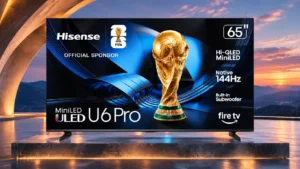
Overall: 4.1/5
4K/144Hz support and couch-friendly big-screen play are appealing for RPGs, though fast monitors and OLEDs remain better for competitive response times.
Pros: overall satisfaction, value for money
Cons: Smart TV platform, advertising intrusiveness
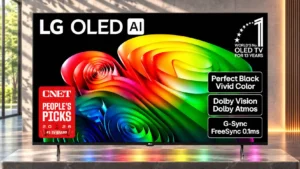
Overall: 3.8/5
Responsive OLED motion and variable refresh are attractive on PC, with some reviews noting a 144Hz VRR option.
Pros: value for money, peak brightness
Cons: color accuracy, stand quality
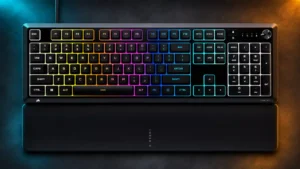
Overall: 4.0/5
Responsive membrane keys make it a capable PC gaming keyboard for players who do not require premium switch technology.
Pros: noise level, media controls

Overall: 3.8/5
Four 144Hz-capable HDMI ports, responsive controls, and an exceptionally big screen make the RM9L well suited to gaming PCs. Motion is strong, though not blur-free.
Pros: picture quality, overall satisfaction
Cons: color crosstalk, value for money

Overall: 3.1/5
4K/144Hz, 1080p/240Hz, VRR and low latency create a flexible PC gaming display, but slow response times can blur fast action.
Pros: gaming performance, color accuracy
Cons: value for money, overall satisfaction
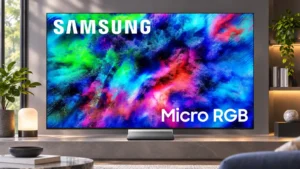
Overall: 3.7/5
4K/165Hz, optional 1080p/240Hz and VRR are compelling on a large screen, though OLED remains sharper in some fast transitions.
Pros: color volume, overall satisfaction
Cons: value for money, color accuracy
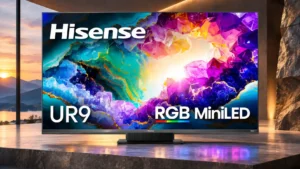
Overall: 4.1/5
High refresh rates and USB-C DisplayPort are compelling for PC connections, but motion blur puts off demanding competitive players.
Pros: peak brightness, picture quality
Cons: value for money, color accuracy
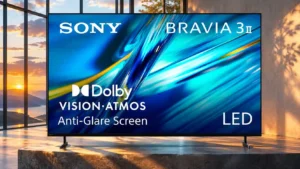
Overall: 3.8/5
A 120Hz 4K input, VRR and clear RGB text make the screen viable for PC gaming. Competitive players wanting 144Hz-plus or cleaner 60Hz motion may prefer another display.
Pros: HDMI 2.1 port count, overall satisfaction
Cons: HDR performance, bass performance

Overall: 3.5/5
Fast 4K/144Hz signals, VRR and low input lag are useful PC features. Motion blur and a nonstandard subpixel layout limit the experience.
Pros: art display mode, design and appearance
Cons: overall satisfaction, HDMI port accessibility

Overall: 3.8/5
Four high-bandwidth inputs, VRR and clear 4:4:4 text are valuable PC features, but dark-motion blur holds it back from top-tier competitive performance.
Pros: picture quality, contrast ratio
Cons: blooming control, glare resistance
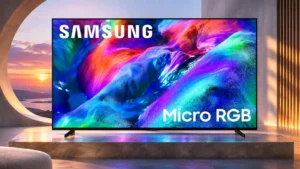
Overall: 3.8/5
PC players get 4K/144Hz and VRR compatibility, but slower pixel changes can undermine the clarity expected of a fast gaming display.
Pros: overall satisfaction, color gamut
Cons: value for money, local dimming performance

Overall: 4.3/5
PC use is viable and often recommended, but EQ changes and on-headset muting are less convenient than on PS5.
Pros: Overall satisfaction, Sound quality
Cons: Bass performance, Equalizer customization
Overall: 4.3/5
A 4K 144Hz panel and low latency suit PC games, but motion smear and the subpixel arrangement temper its usefulness as a desktop monitor.
Pros: picture quality, black levels
Cons: bass performance, HDR brightness
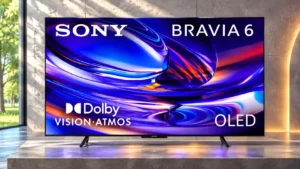
Overall: 3.8/5
4K/120Hz operation, quick pixel response, and G-SYNC support suit PC games well. Older AMD GPU users may lack VRR, and the refresh ceiling trails some rivals.
Pros: HDMI 2.1 port count, Video input versatility
Cons: value for money, overall satisfaction

Overall: 4.0/5
The S85H handles PC games with low input lag and clear text, although demanding players may prefer a 144Hz or 165Hz OLED.
Pros: black levels, picture quality
Cons: glare resistance, reflection handling

Overall: 3.8/5
This PC-first RTS offers substantial battlefield scale, although hardware requirements and missing graphics options may constrain some configurations.
Pros: fun factor, Battle scale
Cons: narrative quality, unit roster quality

Overall: 3.8/5
Games can look detailed and colorful, but high lag over the wireless box and slow transitions make it a conditional PC display.
Pros: cable management, design and appearance
Cons: value for money, Dolby Vision support
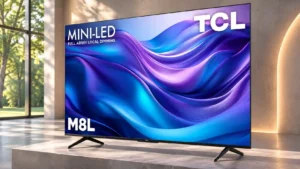
Overall: 4.1/5
A wide selection of resolutions and rapid refresh options is useful for PC play, but fast-moving content suffers from substantial blur.
Pros: value for money, overall satisfaction
Cons: HDR brightness