
Overall: 3.8/5
AI processing can add bass and impact to dialogue, music and effects beyond the standard speaker presentation.
Pros: picture quality, 4K at 144 Hz support
Cons: sound quality, value for money

Overall: 3.8/5
AI processing can add bass and impact to dialogue, music and effects beyond the standard speaker presentation.
Pros: picture quality, 4K at 144 Hz support
Cons: sound quality, value for money

Overall: 3.8/5
Voice emphasis can make speech stand out clearly from background noise; there are also reports of unpredictable automatic audio adjustments.
Pros: Wireless One Connect compatibility, art display mode
Cons: value for money, input lag

Overall: 4.1/5
Automatic sound adjustments help dialogue and spaciousness on some sizes, though they cannot prevent bass distortion in more demanding scenes.
Pros: peak brightness, HDR brightness
Cons: sound quality, viewing angles
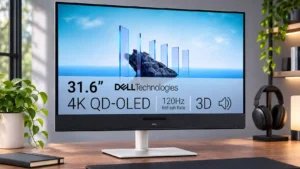
Overall: 4.2/5
Head tracking can keep sound centered as you move. Its effect varies with position and content, and tracking is not always dependable in dim light.
Pros: overall picture quality, overall satisfaction
Cons: port selection, brightness

Overall: 3.8/5
Automatic dialogue enhancement can make sports commentary noticeably easier to hear.
Pros: overall satisfaction, picture quality
Cons: value for money, local dimming performance

Overall: 4.2/5
The AI sound tools can clarify voices and enlarge the virtual stage, but they cannot fully compensate for the limited physical bass of the slim TV.
Pros: overall satisfaction, picture quality
Cons: banding control, remote control quality

Overall: 4.2/5
AI Sound Pro can widen the sound and lift dialogue, but it cannot fully solve the lack of deep bass.
Pros: value for money, color accuracy
Cons: HDR brightness, reflection handling
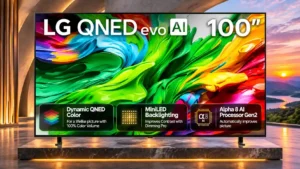
Overall: 3.7/5
The AI audio mode produces an immediately noticeable boost in sound level, although that alone does not prove more accurate playback.
Pros: picture quality, maximum volume
Cons: sound quality, bass performance

Overall: 4.2/5
AI sound processing can expand the perceived soundstage and compensate for room conditions, though boosting spaciousness may reduce bass heft at high volume.
Pros: high-refresh-rate gaming, gaming performance
Cons: value for money, bass performance

Overall: 4.0/5
Voice enhancement and adaptive sound can make dialogue easier to follow, though some listening modes alter tonal balance more than enthusiasts prefer.
Pros: reflection handling, overall satisfaction
Cons: Dolby Vision support, bass performance

Overall: 3.3/5
Adaptive Sound can tailor the tonal balance usefully to a particular room, even if it cannot add much raw speaker power.
Pros: color accuracy, upscaling quality
Cons: picture quality, sound quality

Overall: 4.0/5
AI Sound Pro often makes sound more spacious and forceful, but some listeners dislike its bright or processed character.
Pros: value for money, overall satisfaction
Cons: Remote control usability, sound quality

Overall: 3.9/5
Clear Voice Pro can help speech, but AI Sound Pro often reduces focus or reveals speaker distortion. Processing cannot fully compensate for the weak hardware.
Pros: gaming performance, overall satisfaction
Cons: sound quality, value for money