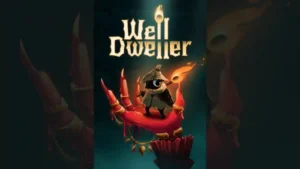
Level and world design receive exceptionally strong praise for readable traversal challenges, distinct biome mechanics, rewarding loops, and clever use of movement abilities.
Pros: difficulty balance, boss design
Cons: innovation, sandbox freedom

Level and world design receive exceptionally strong praise for readable traversal challenges, distinct biome mechanics, rewarding loops, and clever use of movement abilities.
Pros: difficulty balance, boss design
Cons: innovation, sandbox freedom

Legacy Dungeons, layered open spaces, underground regions, and the expansion’s vertical layouts are consistently praised as intricate, surprising, and among FromSoftware’s best work.
Pros: performance optimization, frame rate stability
Cons: controller ergonomics, platform-specific feature support
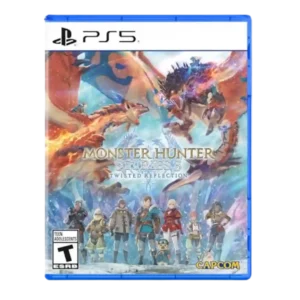
Large, vertical maps are a standout, with strong visual variety, hidden routes, and traversal abilities that make exploration consistently rewarding.
Pros: combat system, narrative quality
Cons: difficulty balance, grind level
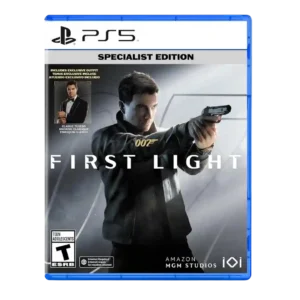
Level design receives very strong praise from IGN for systemic intelligence, opportunity density, and the way environments support stealth and action.
Pros: stealth mechanics, combat system
Cons: pacing

Areas such as Mistwoods stand out for stronger environmental hazards, puzzles, mood shifts, and reasons to engage with the space rather than simply cross it.
Pros: fun factor, gameplay mechanics
Cons: monetization fairness, menu usability
Districts stand out as unique and handcrafted rather than feeling copied and pasted, helping routes stay visually distinctive.
Pros: open-world design, fun factor
Cons: AI behavior, polish
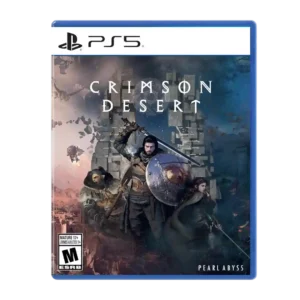
Reviewer evidence is strongly positive: level design was repeatedly praised as a standout strength across 1 review(s).
Pros: combat system, graphics quality
Cons: controls responsiveness, narrative quality
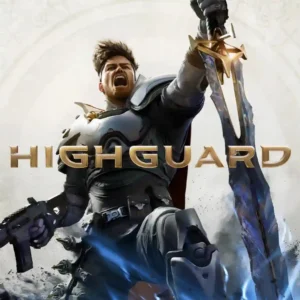
Base layouts earned strong praise for creating distinct defensive choices and intense close-quarters spaces.
Pros: fun factor, combat system
Cons: originality, battle mode quality

The previewed locations stand out for environmental storytelling, charm, and personality-rich visual composition.
Pros: emotional impact, choice impact
Cons: narrative quality, bug frequency
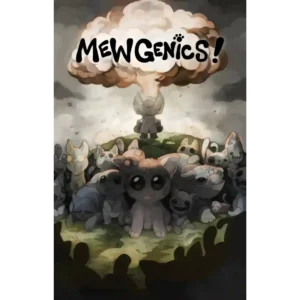
The reviewed levels are praised for supporting tactical variety and pairing well with changing hazards, enemies, and environmental rules.
Pros: combat system, soundtrack quality
Cons: difficulty balance, learning curve
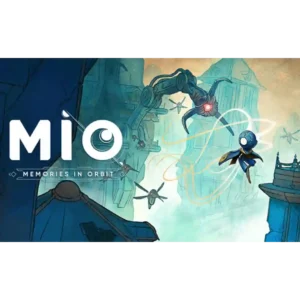
Clever level layouts combine secrets, traversal challenges, enemies, and boss spaces in ways that consistently push players to learn and adapt. The design rewards attention without abandoning the interconnected Metroidvania...
Pros: movement feel, originality
Cons: difficulty balance, combat system
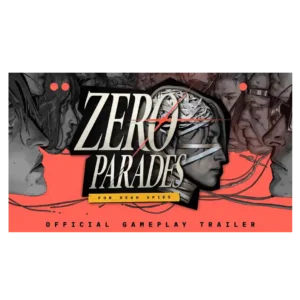
Districts, interiors, rooftops, and alleys communicate history and mood before dialogue begins. The compact city supports discovery without feeling like a generic open world.
Pros: narrative quality, writing quality
Cons: pacing, bug frequency
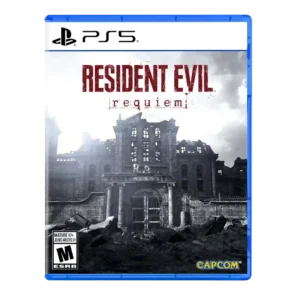
Level design was a major strength, especially the care center’s loops, agency, and interconnected mansion-like structure.
Pros: pacing, combat system
Cons: originality

A.R.E.S. is compact but distinctive, with rooms that reveal the people who occupied them.
Pros: puzzle design, user interface design
Cons: core gameplay loop, narrative quality
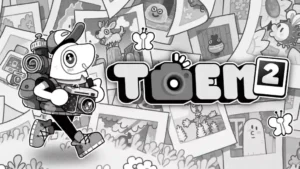
Compact towns are dense, visually distinct, and built to reward curiosity, with stronger verticality and memorable themes. A few comparisons to the original note slightly reduced density or complexity, but...
Pros: game length, gameplay mechanics
Cons: innovation, difficulty balance
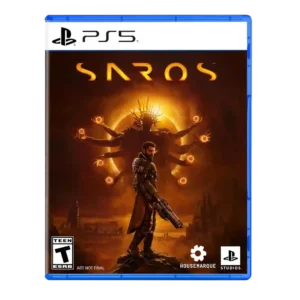
Level design was strongly praised for handcrafted chunks, biome structure, combat spaces, and a balance between freshness and mastery.
Pros: narrative quality, combat system
Cons: side character depth, dialogue quality
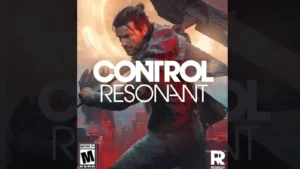
Level design is a standout, from folding streets and gravity-shifted city blocks to stranger interior spaces that turn perspective itself into a traversal and puzzle mechanic.
Pros: combat system, narrative quality
Cons: boss design, map and navigation design
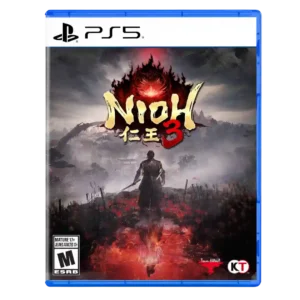
Level design was broadly praised for open-field layouts, strong world structure, and mission-like areas integrated into larger spaces.
Pros: combat system, open-world design
Cons: narrative quality, performance optimization
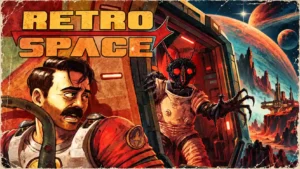
Aurora 5’s vents, maintenance passages, vertical spaces, and looping shortcuts are a major strength. Thoughtful interconnection rewards searching even when ladders and mapping tools fail to match the quality of...
Pros: overall quality, art direction
Cons: map and navigation design, difficulty balance

Reviewers respond very positively to the level design, describing it as a notable strength of the overall experience.
Pros: narrative quality, fun factor
Cons: grind level, learning curve

Level design is one of the strongest areas, with carefully placed hazards, secrets, character-specific routes, and increasingly inventive set pieces. Even more critical reviews usually acknowledge the stages are well...
Pros: replay value, difficulty balance
Cons: game length, boss design

Stage design is a major strength in the more positive coverage. Rooms, optional routes, hidden areas, backtracking and secondary objectives make locations feel more like spaces to explore than simple...
Pros: fun factor, faithfulness to franchise
Cons: combat system, game length
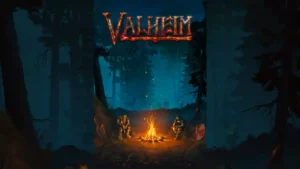
Randomized dungeons and distinct biomes are major strengths, but the Mistlands' fog and awkward terrain are a notable low point.
Pros: town-building system, exploration quality
Cons: grind level, fast travel convenience
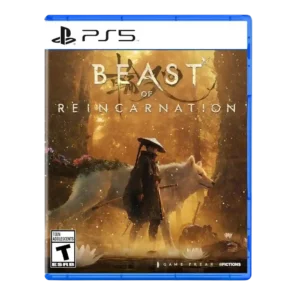
The game uses broad, explorable stages rather than one continuous open world. Hidden paths, optional items, side activities, and compact runbacks give the zones both freedom and structure.
Pros: combat system, companion AI

Mount Kami works as a long sequence of open-ended climbing problems, with multiple lines, difficult cruxes, plateaus, caves, and optional routes that reward observation rather than markers.
Pros: narrative quality, emotional impact
Cons: difficulty balance, gameplay mechanics
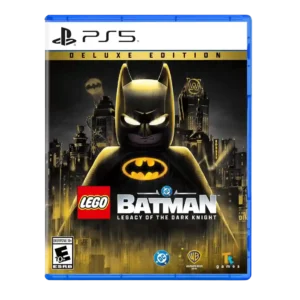
Level design is praised for longer, more vertical, and well-designed mission spaces rather than flat or shallow levels.
Pros: combat system, exploration quality

Stage transitions are praised for being fast and not interrupting match flow.
Pros: fun factor, character roster
Cons: tutorial quality, competitive balance
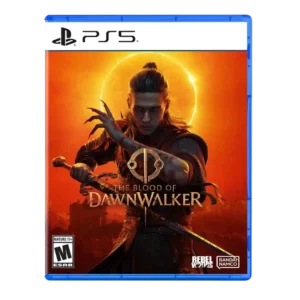
Vampire traversal hints at strong vertical level design, with teleportation, wall-walking, and alternate routes opening spaces in ways ordinary movement cannot.
Pros: combat system, fun factor
Cons: content variety, polish
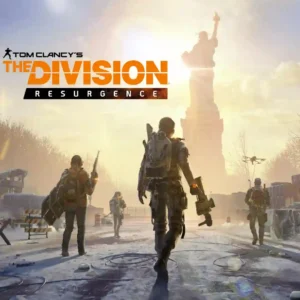
Enemy nests, alleys, rooftops, and urban squares provide lively, action-focused combat arenas.
Pros: content variety, controls responsiveness
Cons: narrative quality, menu usability
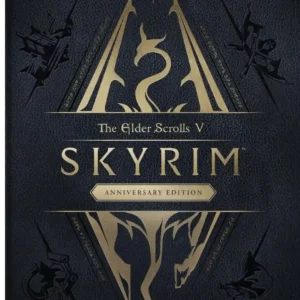
Skyrim improves sharply on Oblivion’s repetitive dungeons, with more individualized layouts, environmental variety, shortcuts, traps, and discoveries. Repetition still creeps in after very long play sessions.
Pros: graphics quality, progression system
Cons: combat system, bug frequency

Most maps are dense, moody, and well sized for chases and rescues, though some players worry their suburban similarity will become stale.
Pros: fun factor, multiplayer design
Cons: bug frequency, AI behavior
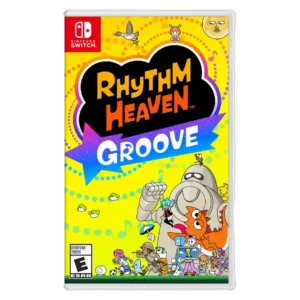
Level design gets positive marks for remixes, logical escalation, and mini-games that reviewers found well thought out and engaging.
Pros: fun factor, difficulty balance
Cons: value for money
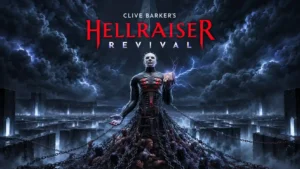
Interconnected areas and impossible Labyrinth architecture are major strengths, blending exploration with surreal transformations. Linear stretches, repetitive chase routes, and awkward encounter spaces draw criticism.
Pros: faithfulness to franchise, narrative quality
Cons: combat system, boss design
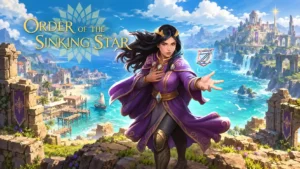
Lean, purposeful layouts make small details matter and can subtly guide solutions. Large connected sections are less forgiving when one mistake forces broad repetition.
Pros: overall quality, puzzle design
Cons: narrative quality, difficulty balance
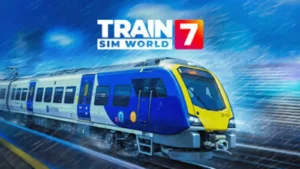
The branching Yorkshire network is a standout for its varied journeys and freight work. Florida and Germany offer distinct settings, though a few route stretches feel sparse or familiar.
Pros: content variety, accessibility options
Cons: value for money, performance optimization

Vertical streets, layered markets, and distinct districts make the city appealing to explore. Some layouts are confusing, and stronger contrasts between areas would help certain players.
Pros: overall quality, shopkeeping system
Cons: performance optimization, pacing
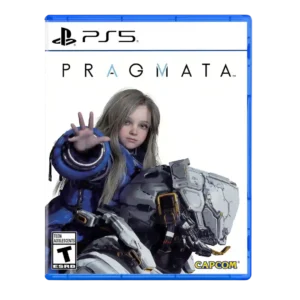
Level design is widely admired for semi-linear routes, shortcuts, varied sectors, and combat arenas, though repetition appears in a few late-game comments.
Pros: combat system, emotional impact
Cons: map and navigation design, platforming precision
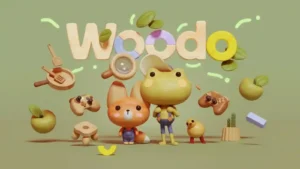
Nested dioramas, secret compartments and shifting structures make many stages distinctive, though the longest levels can outstay their welcome.
Pros: art direction, narrative quality
Cons: difficulty balance, replay value
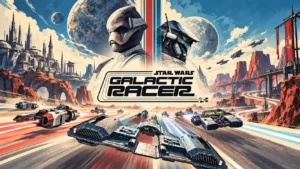
Tracks alternate cramped tunnels, sharp turns, shortcuts, and open stretches while putting planetary hazards to work. Many love the layouts, but overlapping circuits and occasional poorly marked corners weaken their...
Pros: fun factor, overall quality
Cons: difficulty balance, pacing
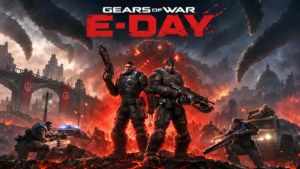
Linear set pieces are often excellent and cinematic, with strong combat spaces and memorable encounters. The more open sections are less consistent, with some finding them spacious and flexible while...
Pros: combat system, graphics quality
Cons: exploration quality, mission design

Layered streets, interiors, shortcuts, and tool-gated paths make the town feel interconnected and larger than its side view suggests. Less successful stretches obscure the route forward among too many blocked...
Pros: overall quality, atmosphere
Cons: boss design, movement feel

Road, city, track, and landscape design are often praised as dense and varied, though some criticism targets overly wide roads.
Pros: graphics quality, driving mechanics
Cons: world interactivity, AI behavior
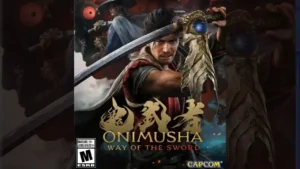
The handcrafted linear stages are generally the strongest spaces, with memorable temples, castles, laboratories, and supernatural areas. The hub and a few repetitive routes are less consistently praised.
Pros: combat system, fun factor
Cons: pacing, open-world design
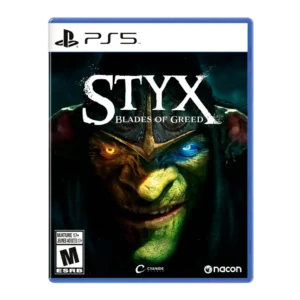
Large, layered, highly vertical levels are one of the clearest strengths, giving players many routes through dense spaces and turning infiltration into spatial problem-solving.
Pros: fun factor, stealth mechanics
Cons: polish, combat system
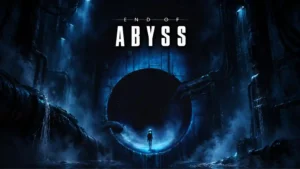
The interconnected facility can be intricate, dense, and rewarding, with strong shortcuts and vertical layering. Less favorable impressions point to confusing flow, overly linear stretches, hidden progression cues, and areas...
Pros: atmosphere, exploration quality
Cons: map and navigation design, bug frequency
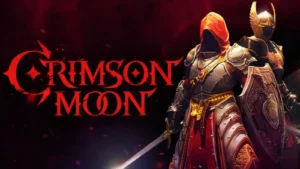
Level design is often praised for atmosphere, verticality, and readable routes, but some maps are linear or mechanically straightforward despite looking impressive.
Pros: value for money, combat system
Cons: camera behavior, content variety

Elderfield’s locked spaces, shifting interiors, mall, sewers, and other large areas create a strong sense of discovery. Some layouts can be confusing, but the gating often helps keep the amount...
Pros: combat system, difficulty balance
Cons: progression system, bug frequency

Dungeon runs use a simple node-based structure that is easy to understand and satisfying for players who prefer focused roguelite runs.
Pros: core gameplay loop, difficulty balance
Cons: narrative quality, load times
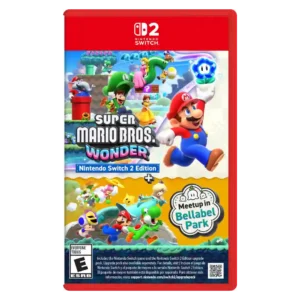
Wonder’s original level design remains a standout, and the best Training Camp and Koopaling remixes find smart new uses for familiar spaces. Some expansion stages are criticized as recycled or...
Pros: fun factor, multiplayer design
Cons: matchmaking quality, map and navigation design
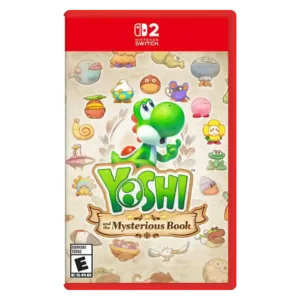
Most stages work as compact, open-ended sandboxes filled with interactions rather than simple left-to-right courses. The best pages feel dense and clever, while weaker ones can seem small, empty, or...
Pros: art direction, exploration quality
Cons: difficulty balance, core gameplay loop