Difficulty and realism are unusually flexible, letting players choose a relaxed drive or a stricter simulation with more rules and penalties.
Pros: open-world design, fun factor
Cons: AI behavior, polish

Difficulty and realism are unusually flexible, letting players choose a relaxed drive or a stricter simulation with more rules and penalties.
Pros: open-world design, fun factor
Cons: AI behavior, polish

Granular difficulty settings and optional depth let players tune the challenge well, while the game generally gives patient planners room to recover from mistakes.
Pros: user interface design, gameplay mechanics
Cons: learning curve, tutorial quality
Most reviewers found the challenge fair, approachable, and well judged, with enough pressure to stay engaging without becoming punishing. A minority thought some later bosses became too easy.
Pros: difficulty balance, boss design
Cons: innovation, sandbox freedom
Difficulty balance was praised because reviewers noticed easy-mode, death toggles, and per-player customization that broaden access.
Pros: horror tension, gameplay mechanics
Cons: AI behavior, polish

The wide difficulty selection is well received, and tougher settings reward careful builds, buffs, positioning, and resource use. A few boss mechanics can feel harsh, but most reviewers find the...
Pros: combat system, narrative quality
Cons: pacing, onboarding experience
The strongest campaigns pair demanding openings with satisfying late-game power, and the new crises can genuinely threaten a mature empire. Some encounters are punishing, but that challenge is usually treated...
Pros: gameplay mechanics, fun factor
Cons: AI behavior, polish
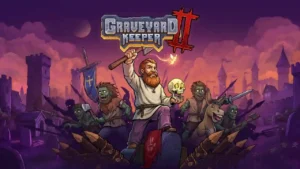
The game can be complicated without feeling conventionally hard. One critic found that its abundance of tasks rarely turns into an impossible wall, keeping the challenge approachable.
Pros: fun factor, core gameplay loop
Cons: grind level, learning curve

The game deliberately avoids hard puzzles. That easygoing approach suits the playful tone, with the best puzzles landing in a comfortable middle ground.
Pros: fun factor, puzzle design
Cons: hint system, originality

The difficulty balance is generally well received, with praise outweighing the smaller reservations raised across the reviews.
Pros: narrative quality, fun factor
Cons: grind level, learning curve

Adjustable difficulty lets story-focused players reduce pressure and survival fans preserve scarcity. The intended survival setting can be demanding enough to prompt a mid-game reduction.
Pros: overall quality, atmosphere
Cons: boss design, movement feel
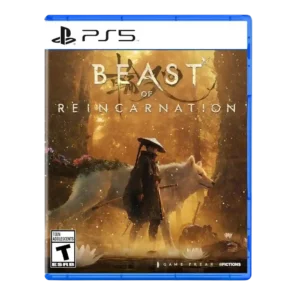
Challenge is substantial, especially against bosses, but adjustable difficulty, forgiving parry windows, short runbacks, and in-combat recovery soften the punishment. Players who dislike frequent parrying may still find the design...
Pros: combat system, companion AI
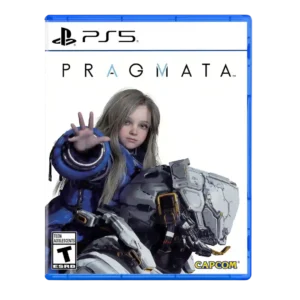
Difficulty is viewed as challenging but fair, with multitasking pressure and tough fights that usually feel rewarding rather than punishing.
Pros: combat system, emotional impact
Cons: map and navigation design, platforming precision

Granular difficulty controls let players tune health, parry windows, and related settings, but the default challenge can feel uneven or too forgiving.
Pros: fun factor, combat system
Cons: originality, level design
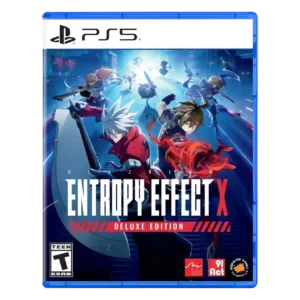
Difficulty is mixed: reviewers value fair modifiers and player tailoring, but some find normal runs too easy or later content awkwardly tuned.
Pros: combat system, character roster
Cons: narrative quality, learning curve
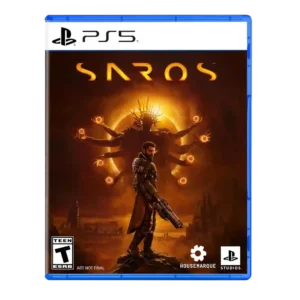
Difficulty balance split reviewers: many called it tough but fair and customizable, while some felt ganks, repetition, or modifiers could undermine balance.
Pros: narrative quality, combat system
Cons: side character depth, dialogue quality
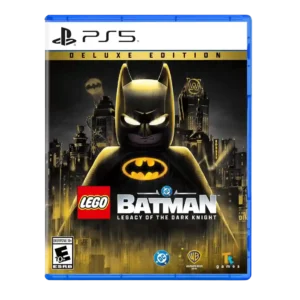
Difficulty balance looks flexible, with reviewers welcoming simple execution for casual play and tougher challenge options for skilled players.
Pros: combat system, exploration quality
The game is brutally demanding, but the open world, summons, build changes, leveling, and alternate routes give players many ways to respond to a wall. Some late-game and DLC encounters...
Pros: performance optimization, frame rate stability
Cons: controller ergonomics, platform-specific feature support
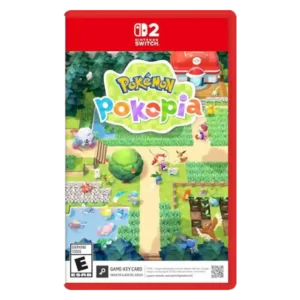
Difficulty was described as approachable and not especially tough, with the challenge mostly coming from planning and organization.
Pros: core gameplay loop, content variety
Cons: pacing, menu usability
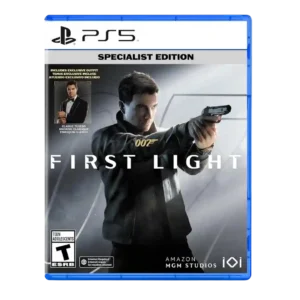
Difficulty balance has limited but positive evidence, mainly around resources preventing gadget and charm abilities from becoming too easy to spam.
Pros: stealth mechanics, combat system
Cons: pacing

Difficulty balance had limited positive support, with one reviewer saying the dawn timer functioned more as a gentle nudge than a harsh death threat.
Pros: narrative quality, voice acting
Cons: bug frequency, menu usability
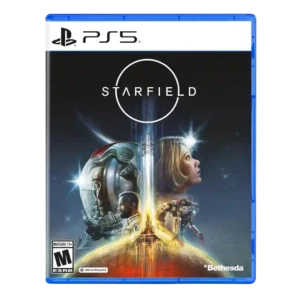
Difficulty earns limited praise where late missions test combat skill without feeling unfair.
Pros: fun factor, combat system
Cons: bug frequency, narrative quality
Difficulty options are a major strength because Cozy mode can soften combat while harder settings preserve the punishing RPG side. Even so, normal difficulty can be much tougher than a...
Pros: combat system, difficulty balance
Cons: progression system, bug frequency
Difficulty is demanding but generally regarded as rewarding, with Story mode offering a gentler route and Action mode asking for precise play. Opinions split where normal enemies feel too easy...
Pros: combat system, fun factor
Cons: pacing, open-world design
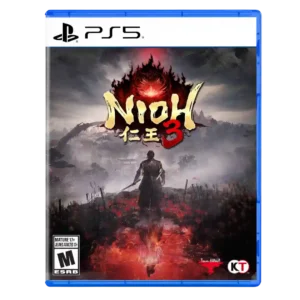
Difficulty was generally seen as challenging but more approachable and flexible, though one review strongly criticized the lack of lower difficulty options.
Pros: combat system, open-world design
Cons: narrative quality, performance optimization
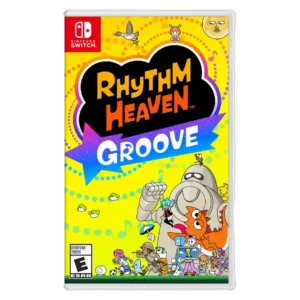
Difficulty is a central tradeoff: the game is easy to understand, but strict timing, narrow windows, and tougher mini-games make mastery demanding.
Pros: fun factor, difficulty balance
Cons: value for money
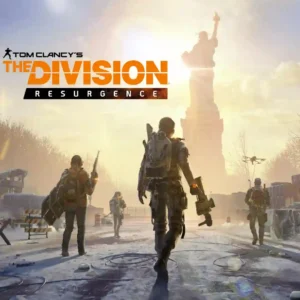
Combat rewards cover use and smart positioning, though harder missions can become punishing for solo players or underpowered builds.
Pros: content variety, controls responsiveness
Cons: narrative quality, menu usability

Regular stages usually offer a fair, accessible challenge, with harder optional modes for veterans. Bosses and 100% completion create the biggest spikes, so the difficulty curve can feel inconsistent.
Pros: replay value, difficulty balance
Cons: game length, boss design

Training Camp and harder boss variants finally give experienced players tougher tests, while Assist Mode and support options preserve a gentle route for newcomers. The base campaign and some Koopaling...
Pros: fun factor, multiplayer design
Cons: matchmaking quality, map and navigation design
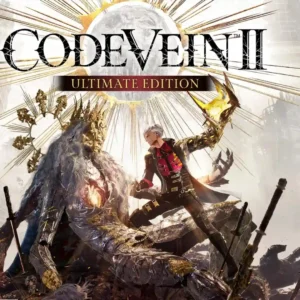
Difficulty varies dramatically by reviewer and build. Partners and exploration can make much of the game approachable or even easy, while early, late, and certain boss encounters can spike into...
Pros: fun factor, narrative quality
Cons: boss design, exploration quality

Difficulty balance is mixed: stricter parry timing adds challenge, but slow-motion dodge and parry cues may make combat easier.
Pros: graphics quality, remake/remaster quality
Cons: DLC value, multiplayer design

Reviewers liked comeback potential and fight engagement, though one wanted clearer defensive options against combo locks.
Pros: fun factor, character roster
Cons: tutorial quality, competitive balance
The less rigid level scaling and ability to encounter enemies above or below the player’s strength are generally improvements. Some fights still swing on luck, cheese tactics, or overpowered builds,...
Pros: graphics quality, progression system
Cons: combat system, bug frequency
Rebalancing makes much of the campaign fairer while keeping its old-school bite, but sudden deaths, harsh damage spikes, and tough Normal-difficulty sections remain.
Pros: remake/remaster quality, overall quality
Cons: level design, map and navigation design

The stricter shooting and improved defense raise the challenge, but several sources find the result fairer and more rewarding once the new timing is learned.
Pros: gameplay mechanics, fun factor
Cons: microtransaction impact, animation quality
Valheim's harsh difficulty often makes success deeply satisfying, but stamina pressure, biome spikes, and punishing solo recovery can cross into frustration.
Pros: town-building system, exploration quality
Cons: grind level, fast travel convenience
The skill curve can be rewarding once learned, but newcomers may be punished hard when matched against experienced teams.
Pros: fun factor, combat system
Cons: originality, battle mode quality

Challenge is highly context-dependent: some find normal mode punishing, others find later runs too easy, and several praise the risk-reward once they learn the systems. The wide difficulty selection helps...
Pros: core gameplay loop, difficulty balance
Cons: narrative quality, load times
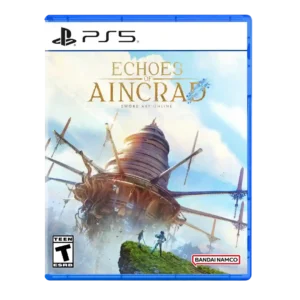
Difficulty balance varied widely, from challenging normal and hard encounters to claims that some preview combat was too approachable or too easy.
Pros: combat system, companion AI
Cons: open-world design, movement feel

Higher difficulties often bring out the combat’s best qualities by forcing full use of weapons, Bastards, and boss patterns. Cheap attacks, uneven spikes, and a too-easy standard setting create some...
Pros: fun factor, originality
Cons: combat system, narrative quality

Challenge varies noticeably by mode. Trial Towers and higher-level matches can push skilled players, but some tournaments and early Adventure content feel too easy, while certain AI behavior can create...
Pros: fun factor, gameplay mechanics
Cons: tutorial quality, onboarding experience

Difficulty is generally forgiving but mixed: checkpoints and approachable design help, while trial-and-error sequences and occasional unclear puzzles frustrate.
Pros: narrative quality, atmosphere
Cons: puzzle design, fun factor
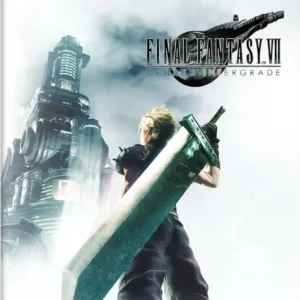
Normal difficulty is usually fair and engaging, while Hard mode offers a sharper post-game challenge.
Pros: combat system, graphics quality
Cons: pacing, accessibility options
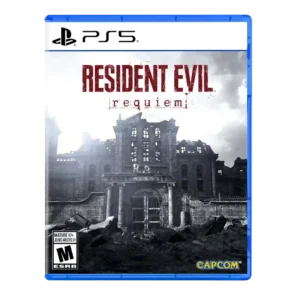
Difficulty balance was mixed: some praised flexible challenge, while others felt the game had too much firepower or lacked a hardcore mode.
Pros: pacing, combat system
Cons: originality
The game offers forgiving settings and advanced challenges, but some later missions, timers, and loadout checks can create sharp difficulty spikes.
Pros: narrative quality, fun factor
Cons: dialogue quality, difficulty balance
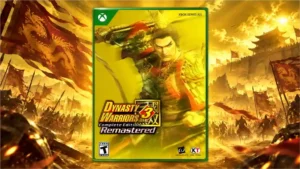
The remaster keeps the demanding old-school pressure, with dangerous archers and aggressive officers; some find that refreshing, others unfair or exhausting.
Pros: remake/remaster quality, graphics quality
Cons: difficulty balance, voice acting

The puzzles can be gratifyingly demanding, but their steepest barriers will test anyone who wants consistent guidance.
Pros: puzzle design, user interface design
Cons: core gameplay loop, narrative quality
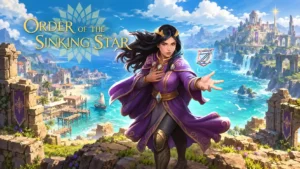
The challenge creates powerful breakthroughs for patient puzzle fans, but can become exhausting or demoralizing. Opinions differ on whether its complexity teaches new thinking or overloads memory and execution.
Pros: overall quality, puzzle design
Cons: narrative quality, difficulty balance

Aniimo leans cozy and accessible rather than punishing. That relaxed balance works well for casual play, though players seeking consistently difficult fights may find it too easy.
Pros: fun factor, gameplay mechanics
Cons: monetization fairness, menu usability
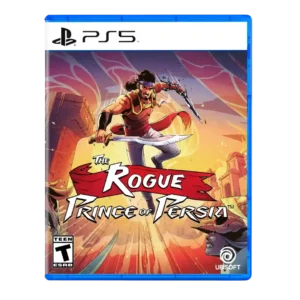
Difficulty was split: approachable and fair for many, but sometimes too easy, undertuned, or constrained by limited options.
Pros: combat system, movement feel
Cons: narrative quality, difficulty balance
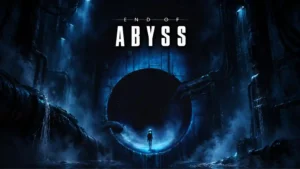
Challenge is frequently rewarding and fair in regular play, but the curve is uneven. Early spikes, one notably punishing centipede boss, later bosses that become too easy, and upgrade-driven power...
Pros: atmosphere, exploration quality
Cons: map and navigation design, bug frequency