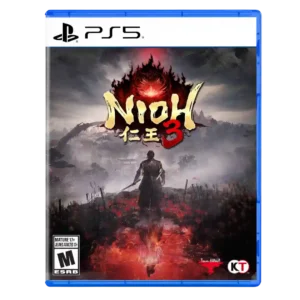
Pacing received excellent marks where reviewers described the setting and exploration rhythm as unrelentingly addictive.
Pros: combat system, open-world design
Cons: narrative quality, performance optimization

Pacing received excellent marks where reviewers described the setting and exploration rhythm as unrelentingly addictive.
Pros: combat system, open-world design
Cons: narrative quality, performance optimization
Short runs and quick progression beats make the game easy to fit into limited play windows without requiring long uninterrupted sessions.
Pros: value for money, combat system
Cons: camera behavior, content variety
Returning to the Lands Between still feels easy to settle into without a long grind or sluggish open-world pacing getting in the way.
Pros: performance optimization, frame rate stability
Cons: controller ergonomics, platform-specific feature support
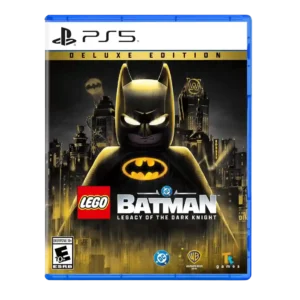
One hands-on preview strongly praises the mission pacing, saying the demo structure was well paced.
Pros: combat system, exploration quality

Pacing varies meaningfully by mode: Authentic play is slower and more deliberate, while Competitive remains faster. Reviewers often like the added choice, though some still feel pace-heavy attackers dominate online...
Pros: gameplay mechanics, progression system
Cons: open-world design, AI behavior
The tutorial is praised for teaching the basics without dragging on too long.
Pros: open-world design, fun factor
Cons: AI behavior, polish
Dodge and block additions improve battle pacing by helping players stay engaged instead of frequently disengaging from threats.
Pros: remake/remaster quality, graphics quality
Cons: difficulty balance, voice acting
The new single-player additions can move at an appealingly brisk clip, with fast Training Courses helping the expansion feel easy to dip into between longer campaign sessions.
Pros: fun factor, multiplayer design
Cons: matchmaking quality, map and navigation design
Pacing was considered well balanced, with short, pick-up-and-play runs that still leave room to learn.
Pros: combat system, movement feel
Cons: narrative quality, difficulty balance

The game generally moves quickly and benefits from short sessions, with dream sequences offering a change of pace. Its brief runtime also helps it end before repetition becomes overwhelming.
Pros: fun factor, puzzle design
Cons: hint system, originality
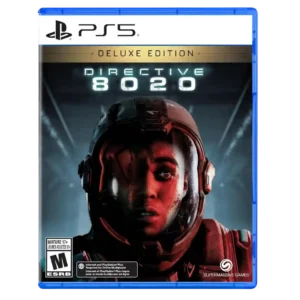
Pacing was viewed positively when tied to episodic stopping points and a rhythm that lets tension build before release.
Pros: horror tension, gameplay mechanics
Cons: AI behavior, polish
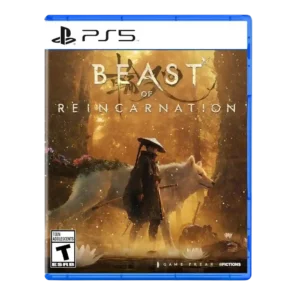
The opening moves quickly into conflict and core mechanics, while early cutscenes establish the premise without overstaying. That briskness helps momentum, though it also contributes to thin explanations.
Pros: combat system, companion AI
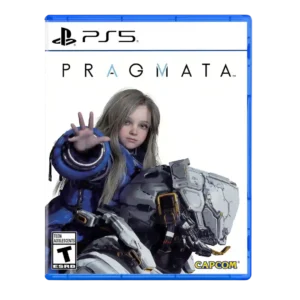
Pacing is mostly strong, with reviewers praising brisk forward momentum and a compact runtime, though one late section was said to drag.
Pros: combat system, emotional impact
Cons: map and navigation design, platforming precision
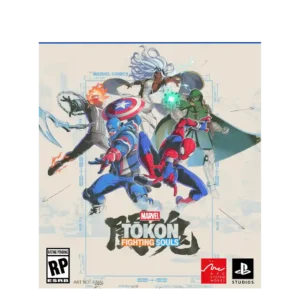
Pacing earns praise when fights build tension and stage transitions flow well, but one reviewer found the speed initially too slow.
Pros: fun factor, character roster
Cons: tutorial quality, competitive balance
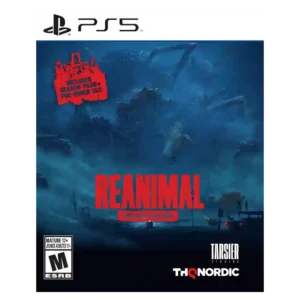
Pacing is widely praised as brisk and deliberate, though a few reviews say slow animations, episodic repetition, or momentum loss can hurt it.
Pros: narrative quality, atmosphere
Cons: puzzle design, fun factor
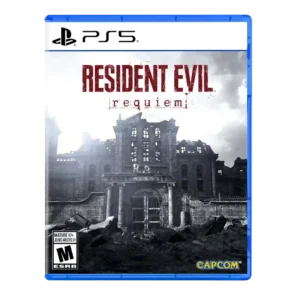
Pacing was the most discussed tradeoff: many praised the action-horror balance, while others found the character split lopsided or jarring.
Pros: pacing, combat system
Cons: originality
Most reviewers praise the steady flow of new abilities and discoveries, though occasional unclear progression can bring the momentum to a halt for some players.
Pros: difficulty balance, boss design
Cons: innovation, sandbox freedom
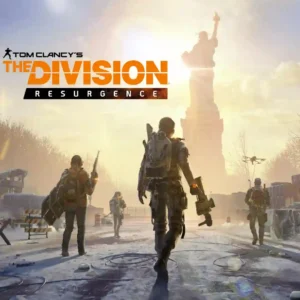
The structure works well for quick mobile sessions or longer grinds, but campaign level gates can badly slow the later story.
Pros: content variety, controls responsiveness
Cons: narrative quality, menu usability
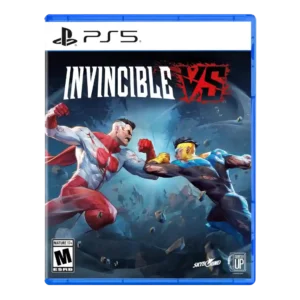
Story pacing received positive support because the episode-length approach was seen as respectful of players’ time.
Pros: fun factor, combat system
Cons: learning curve, competitive balance
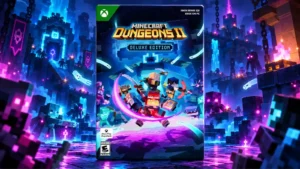
A steady succession of quests and a well-timed Sift visit help the campaign maintain momentum without excessive downtime.
Pros: open-world design, graphics quality
Cons: narrative quality, endgame content
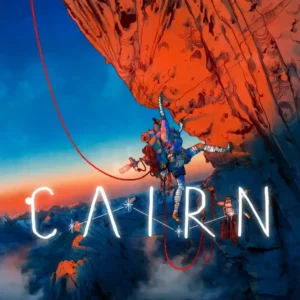
The ascent is intentionally slow and methodical, with calm plateaus breaking up intense walls. For some that rhythm is hypnotic; for others the long stretches become grueling.
Pros: narrative quality, emotional impact
Cons: difficulty balance, gameplay mechanics

The alternation between intense dungeon runs and calmer selling sessions creates a strong rhythm. Long loading and a weaker final third can undermine that pacing later on.
Pros: core gameplay loop, difficulty balance
Cons: narrative quality, load times
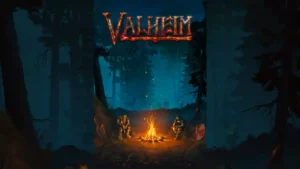
Pacing is highly adjustable and can feel smooth in short sessions, but the default late-game route can slow dramatically under travel and resource demands.
Pros: town-building system, exploration quality
Cons: grind level, fast travel convenience
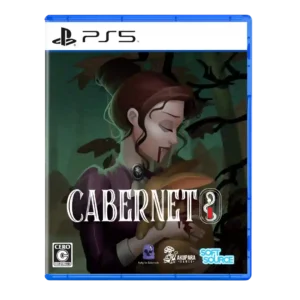
Pacing was mixed, with praise for strong momentum and well-paced stretches balanced against story lulls, slow social play, and a central plot that could recede too much.
Pros: narrative quality, voice acting
Cons: bug frequency, menu usability
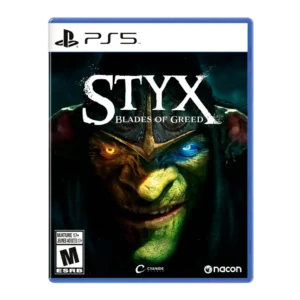
Pacing improves as more tools arrive and the maps open up, but the early hours can feel slow or front-loaded and later Quartz runs can sap momentum.
Pros: fun factor, stealth mechanics
Cons: polish, combat system

The measured opening and steady discoveries frequently earn praise. Long item hunts and gaps between story developments can erode that momentum later.
Pros: overall quality, atmosphere
Cons: boss design, movement feel
Pacing impressions are split: one source praises a tight, well-paced adventure, while another finds the plot slow to gain momentum and technical or navigation problems can stall progress.
Pros: atmosphere, exploration quality
Cons: map and navigation design, bug frequency
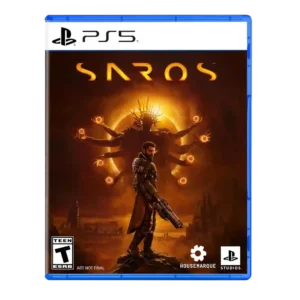
Pacing drew mixed responses, from tighter run pacing to complaints that story, repetition, or traversal could drag.
Pros: narrative quality, combat system
Cons: side character depth, dialogue quality
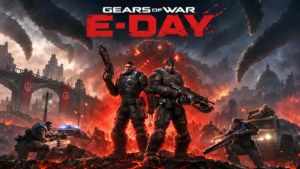
The best stretches move with cinematic urgency and strong action beats. Open districts, collectible hunting, repeated routes, and an unusually long campaign can slow that momentum for players who prefer...
Pros: combat system, graphics quality
Cons: exploration quality, mission design
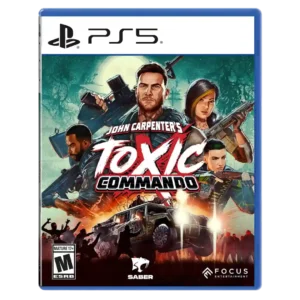
Pacing is highly context-dependent: compact points of interest can keep the action flowing, while long missions, resource detours, mud, and repeated objectives can slow the experience considerably.
Pros: fun factor, combat system
Cons: mission variety, progression system
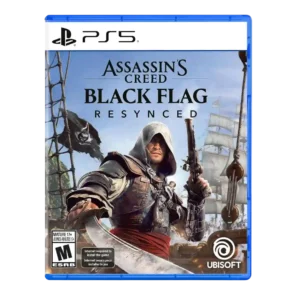
Pacing has a mild caveat because one reviewer thought the parkour footage looked slower than the original.
Pros: graphics quality, remake/remaster quality
Cons: DLC value, multiplayer design

The early stages can feel conventional or repetitive, but the campaign becomes more varied and energetic as it moves into later worlds.
Pros: replay value, difficulty balance
Cons: game length, boss design
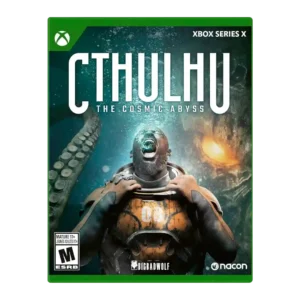
Pacing was context-dependent: meditative, slow-burn discovery worked for some, but trial-and-error navigation dragged for others.
Pros: puzzle design, atmosphere
Cons: horror tension, crash stability

The campaign often moves with brisk blockbuster momentum, though cutscenes, walking sections, and an uneven final act create noticeable slowdowns.
Pros: fun factor, combat system
Cons: originality, level design
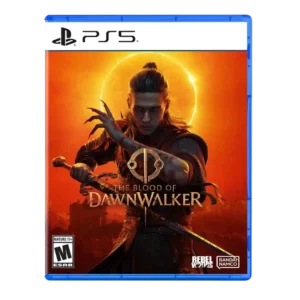
Pacing is uneven: the time system can keep decisions moving and maintain momentum, while slow-blooming progression and combat-heavy late sections can drag.
Pros: combat system, fun factor
Cons: content variety, polish

Pacing is the most consistent weakness, with repetition, busywork, and slow stretches interrupting otherwise strong story payoffs.
Pros: narrative quality, fun factor
Cons: grind level, learning curve
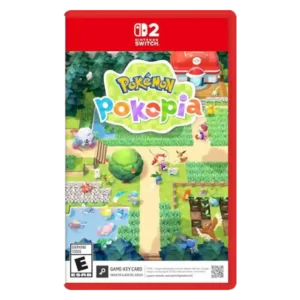
Pacing was sharply mixed: some called it brilliant, while others disliked day-long construction waits and story throttling.
Pros: core gameplay loop, content variety
Cons: pacing, menu usability
Pacing is divisive: some love the patient, self-directed rhythm, while others hit slow stretches, busywork, or progression stalls. Combat-heavy play and early farming can both move more slowly than genre...
Pros: combat system, difficulty balance
Cons: progression system, bug frequency

Pacing is mixed: some progression structures help, but linear or dull career stretches and familiar rhythms draw criticism.
Pros: graphics quality, driving mechanics
Cons: world interactivity, AI behavior
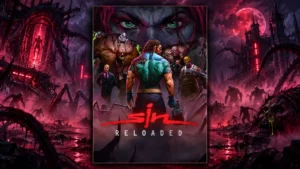
Restored and reworked sections can improve flow, but parts of the campaign still drag and reveal the uneven pacing of the original design.
Pros: remake/remaster quality, overall quality
Cons: level design, map and navigation design
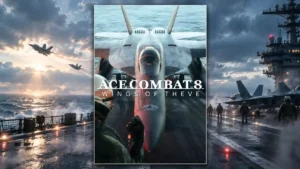
Pacing is one of the clearest campaign tradeoffs: high points are intense and propulsive, while cutscene-heavy openings and filler missions can stall momentum.
Pros: narrative quality, fun factor
Cons: dialogue quality, difficulty balance

Story pacing is often strong, but repetitive dungeons and backtracking can interrupt emotional highs; the remaster’s faster travel helps without eliminating the issue.
Pros: narrative quality, combat system
Cons: remake/remaster quality, value for money
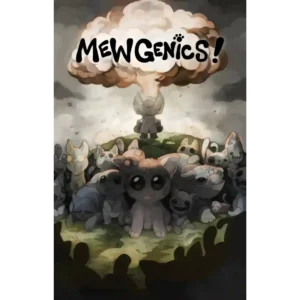
Individual battles can move briskly, yet full runs often stretch for hours and home management can sap momentum. That makes the overall pace highly dependent on tolerance for long tactical...
Pros: combat system, soundtrack quality
Cons: difficulty balance, learning curve
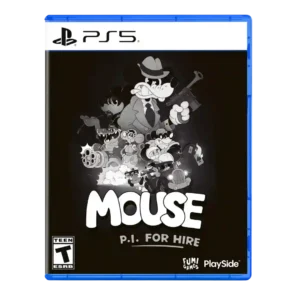
The best stretches alternate explosive combat with hub conversations, exploration, and investigation at a lively rhythm. Dialogue pauses, longer late-game levels, and repeated combat can make the second half drag.
Pros: fun factor, art direction
Cons: weapon balance, gameplay mechanics
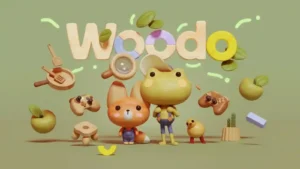
Short sessions suit the calm rhythm, but larger late scenes can stretch simple placement into tedium.
Pros: art direction, narrative quality
Cons: difficulty balance, replay value
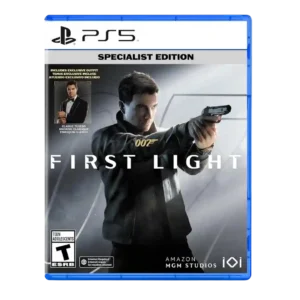
Pacing is mixed: reviewers like the contrast between methodical stealth and chaos, but call out slow, talky segments and extended car chases.
Pros: stealth mechanics, combat system
Cons: pacing
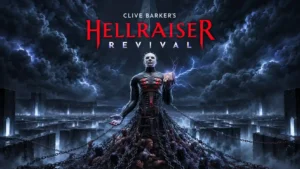
Alternating combat, exploration, and surreal Labyrinth passages gives the campaign momentum for many players. Others find repeated chases, long exposition, and late-game encounters drag the pace down.
Pros: faithfulness to franchise, narrative quality
Cons: combat system, boss design
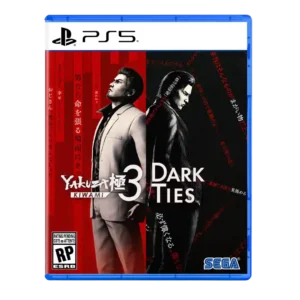
Pacing is one of the package’s most contested traits: optional orphanage content helps, yet mandatory Baddies and Dark Ties tasks can stall urgent story beats.
Pros: fun factor, combat system
Cons: pacing, battle mode quality
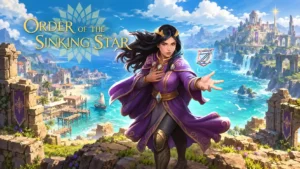
Bite-sized rooms and time controls suit short sessions and reduce waiting. Constant escalation, slow story beats, and long stretches before major revelations can erode momentum.
Pros: overall quality, puzzle design
Cons: narrative quality, difficulty balance

Match pacing often improves thanks to stamina and more natural back-and-forth action, but story modes can be slowed by repeated matches, long dialogue, and progression padding. The quality of pacing...
Pros: fun factor, gameplay mechanics
Cons: grind level, value for money