
If you want better bug frequency
Choose Onimusha: Way of the Sword. It scores 5.0 vs 1.5 for bug frequency, with a 4.1 overall score.

Choose it for extraordinary world design, fluid traversal, and a character-driven Remedy story. Skip it if repetitive melee loops, spongey late bosses, or occasionally confusing navigation are deal-breakers.
Players who value inventive world design, fast supernatural traversal, strange side stories, and character-focused Remedy storytelling will get the most from it. It especially suits players happy to experiment with builds and explore off the main path.
Players who need deep combo evolution, consistently concise pacing, or effortless navigation may struggle with the repetitive combat stretches and map friction. Those strongly attached to the original Control’s tighter Oldest House structure may also prefer its predecessor.
Control Resonant is at its best when Manhattan bends, folds, and opens into spaces that feel impossible, then lets Dylan tear through them with fluid traversal and aggressive powers. Its art direction, level design, side quests, and character-driven story repeatedly produce the kind of strange, memorable moments associated with Remedy's strongest work. The tradeoff is combat that does not sustain that same level of invention for everyone: early difficulty spikes, repetitive combo rhythms, unclear progression, and spongey late bosses recur across otherwise positive assessments. Navigation can also become frustrating when the flat map meets layered, gravity-shifted spaces. Even with those rough edges, the sequel's willingness to radically change Control's formula is a major part of its appeal, and its world remains the element most likely to linger after the credits.
Compared with other Video Games, this product is above average in mission variety, quest design, originality, near average in protagonist appeal, graphics quality, below average in immersion, economy and resource balance, AI behavior.
| Attribute | This product | Category average | Difference |
|---|---|---|---|
| immersion | 2.0 | 4.1 | -2.1 |
| economy and resource balance | 1.0 | 3.1 | -2.1 |
| AI behavior | 1.0 | 2.8 | -1.8 |
| platforming precision | 1.5 | 3.2 | -1.7 |
| facial animations | 2.0 | 3.7 | -1.7 |
| game length | 2.2 | 3.7 | -1.5 |
| core gameplay loop | 2.6 | 3.9 | -1.3 |
| mission variety | 5.0 | 3.4 | +1.6 |
Choose Onimusha: Way of the Sword. It scores 5.0 vs 1.5 for bug frequency, with a 4.1 overall score.
Choose Saros. It scores 4.9 vs 4.5 for fun factor, with a 4.3 overall score.
Choose Ghost of Yōtei. It scores 4.8 vs 2.6 for map and navigation design, with a 4.4 overall score.
Choose SPRAWL zero. It scores 4.8 vs 2.6 for core gameplay loop, with a 4.0 overall score.
Products reviewers directly compared with this model, grouped into quick takeaways.
It is fast, responsive, and build-friendly at its best, but many sources say the basic rhythm becomes repetitive. Late bosses are the most common combat complaint because large health pools can turn fights into endurance tests.
Yes for players who enjoy discovery. The strongest side quests, environmental stories, hidden documents, warped architecture, and traversal routes make exploration a major strength, although some repeated activities feel like busywork.
The default difficulty can be rough early and can spike again around bosses or underleveled areas. Assist Mode provides unusually granular ways to adjust the challenge if the default balance becomes frustrating.
The supplied sources commonly describe a main experience in roughly the 25-to-40-hour range, with longer runs for heavy exploration and completion. Several critics felt the combat repetition becomes more noticeable across that length.
The game includes recap material and is described as understandable for newcomers, so prior play is not strictly necessary. Familiarity with Control still adds context to Dylan, Jesse, the FBC, and the returning lore.
Performance is generally strong on capable PC hardware and PS5 Pro, with that console receiving particular praise for its visual features. Base-console stress scenes, Steam Deck play, and occasional bugs or image-quality issues are the main caveats.
These are a few of the reviews included in our analysis.
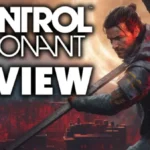

Dylan Faden's redemption tour is a dense adventure we're still working through. - Game Informer
When it comes to sequels, there's usually a tried and tested formula that tends to work, no matter what genre you're dabbling in. If you tak...
Remedy's follow-up to 2019's Control moves to action combat in an open world and tells a more character-focused story with its paranatural...
The action-RPG sequel shows Remedy Entertainment isn't done pulling from its bag of refreshingly original tricks
Remedy's signature weirdness elevates the best gameplay experience it's ever made.
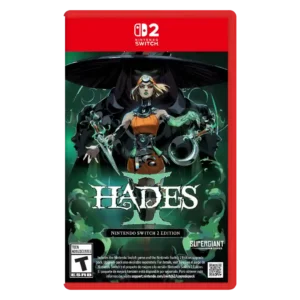
Good if you want fast, tactical roguelite combat with huge progression depth, striking art, and standout music. Skip it if repetition, resource micromanagement, or a less emotionally satisfying sequel story...
Pros: skill tree depth, dialogue quality
Cons: emotional impact, economy and resource balance
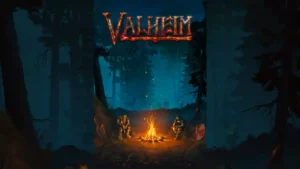
Good if you want a beautiful, demanding survival sandbox built around exploration, building, progression, and memorable co-op. Skip it if long resource runs, harsh death recovery, and deliberate pacing sound...
Pros: core gameplay loop, movement feel
Cons: economy and resource balance, map and navigation design

Best for joyful destruction, dense exploration, and a charming DK-Pauline adventure. Skip it if camera quirks, frame-rate dips, easy bosses, or premium Switch 2 pricing are dealbreakers.
Pros: gameplay mechanics, world interactivity
Cons: economy and resource balance, enemy variety
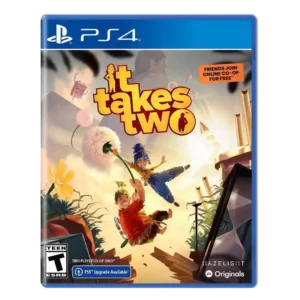
Best for joyful, inventive co-op with a partner, especially on couch. Skip it if divorce themes, uneven story tone, or Switch visual compromises would distract you.
Pros: core gameplay loop, movement feel
Cons: character development, dialogue quality