If you want better side character depth
Choose Goodnight Universe. It scores 5.0 vs 2.8 for side character depth, with a 4.2 overall score.

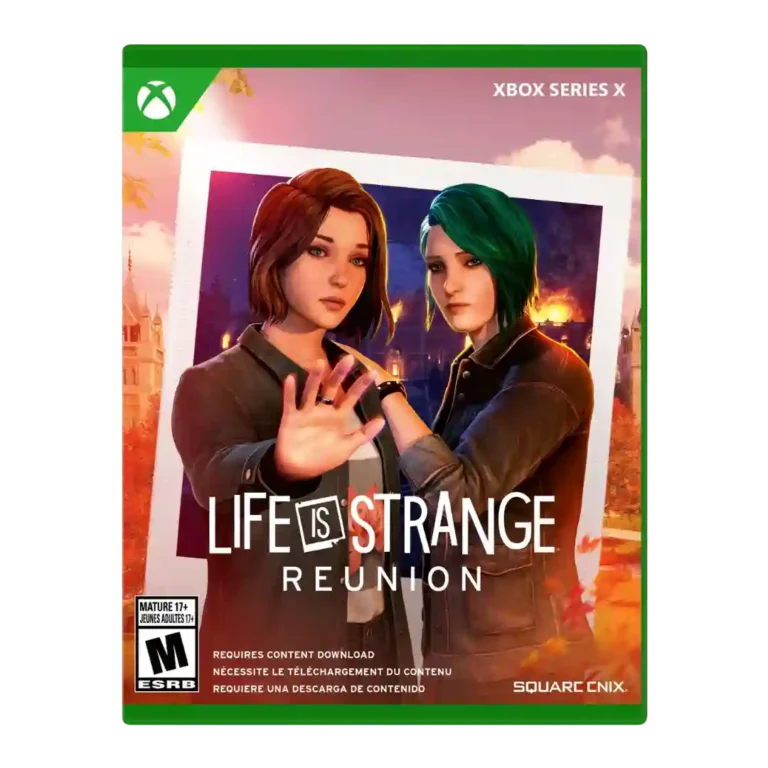
Choose it for Max-and-Chloe closure, strong performances, and an emotional soundtrack. Skip it if you need meaningful choice, fresh locations, demanding puzzles, or consistent technical polish.
Longtime Life is Strange fans who are emotionally invested in Max and Chloe and enjoy slow, dialogue-led adventures will get the most from the reunion and its branching outcomes.
Newcomers or players seeking demanding puzzles, broad exploration, strong mechanical novelty, or consistently polished performance should approach cautiously.
Life is Strange: Reunion succeeds most clearly when Max and Chloe share the screen. Their chemistry, vulnerable conversations, voice performances, and the series’ signature soundtrack give the finale genuine emotional pull. The rewind and Backtalk mechanics add welcome variety, and missable clues can produce meaningfully different outcomes. Yet the broader mystery divides opinion sharply: some find it focused and satisfying, while others see heavy retconning, obvious choices, reused locations, and shallow puzzles. Frequent reports of texture pop-in, lighting glitches, clipping, and uneven animation further weaken the finish. It is a heartfelt farewell for invested fans, but a much less convincing standalone narrative adventure.
Compared with other Video Games, this product is above average in protagonist appeal, accessibility options, level design, near average in gameplay mechanics, puzzle design, below average in world-building, haptic feedback integration, originality.
| Attribute | This product | Category average | Difference |
|---|---|---|---|
| world-building | 1.0 | 4.2 | -3.2 |
| haptic feedback integration | 1.0 | 3.9 | -2.9 |
| originality | 1.8 | 3.7 | -2.0 |
| environmental detail | 2.0 | 4.3 | -2.3 |
| content variety | 1.9 | 3.9 | -2.0 |
| innovation | 2.0 | 3.9 | -1.9 |
| frame rate stability | 1.8 | 3.7 | -1.9 |
| animation quality | 2.3 | 4.0 | -1.7 |
Choose Goodnight Universe. It scores 5.0 vs 2.8 for side character depth, with a 4.2 overall score.
Choose The Alters. It scores 4.9 vs 4.3 for emotional impact, with a 4.2 overall score.
Choose Dispatch. It scores 5.0 vs 1.8 for frame rate stability, with a 4.3 overall score.
Choose Zero Parades: For Dead Spies. It scores 5.0 vs 1.9 for content variety, with a 4.1 overall score.
Products reviewers directly compared with this model, grouped into quick takeaways.
Yes. The recap explains the basic events, but the emotional payoff and many character relationships rely heavily on the original Life is Strange and Double Exposure.
Most playthroughs described in the sources run about eight to ten hours, with reported completion times ranging roughly from seven to twelve hours.
There are multiple endings, missable clues, and possible changes to character fates. However, several critics felt many moment-to-moment choices were obvious or less consequential than the series suggests.
Expect exploration, dialogue choices, clue gathering, simple puzzles, Max’s rewind ability, and Chloe’s Backtalk exchanges. The experience remains strongly narrative-led rather than action-heavy.
Reports vary, but texture pop-in, lighting or contrast glitches, clipping, stutters, and uneven animation appear repeatedly. A smaller group encountered few problems and described smooth performance.
Max and Chloe’s chemistry, emotional closure, strong voice acting, the autumnal atmosphere, and the indie soundtrack receive the most consistent praise.
These are a few of the reviews included in our analysis.


Ultimately, Life is Strange: Reunion promises the return of Max Caulfield and Chloe Price, and it absolutely nails their relationship...
I was just a wee lad when I played the original Life is Strange, but even back then, I could tell that game was special. I would go as far as...
Go to GamingNexus.com for news and reviews on video games, consoles, and PCs.
La frontera para atender al corazón y despistar a la razón a la hora de volver a entrar en el universo de Max y Chloe después de tantos años...
Even after giving Life is Strange: Reunion's controversial premise a chance, I could only watch as it crumbled under its own logic.

Best for fluid traversal, rewarding exploration, striking art, and forgiving quality-of-life features. Skip it if you want deep combat, radical genre innovation, or consistently demanding bosses.
Pros: difficulty balance, boss design
Cons: innovation, sandbox freedom

Good if you want fast, tactical roguelite combat with huge progression depth, striking art, and standout music. Skip it if repetition, resource micromanagement, or a less emotionally satisfying sequel story...
Pros: combat system, progression system
Cons: originality

Good if you want a beautiful, demanding survival sandbox built around exploration, building, progression, and memorable co-op. Skip it if long resource runs, harsh death recovery, and deliberate pacing sound...
Pros: town-building system, exploration quality
Cons: grind level, fast travel convenience

Best for joyful destruction, dense exploration, and a charming DK-Pauline adventure. Skip it if camera quirks, frame-rate dips, easy bosses, or premium Switch 2 pricing are dealbreakers.
Pros: fun factor, world interactivity
Cons: frame rate stability, boss design