Best for level design
Well Dweller
5.0 attribute score
Highest scored product for this attribute based on supporting review evidence.

Highest scored product for this attribute based on supporting review evidence.
Balances the attribute score, supporting reviews, and overall product strength.
Has the broadest review evidence for this attribute.
Strongest overall product among items with scored evidence for this attribute.
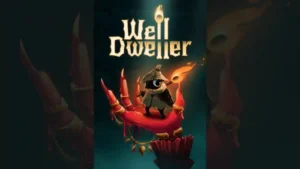
Level and world design receive exceptionally strong praise for readable traversal challenges, distinct biome mechanics, rewarding loops, and clever use of movement abilities.
Pros: difficulty balance, boss design
Cons: innovation, sandbox freedom

Legacy Dungeons, layered open spaces, underground regions, and the expansion’s vertical layouts are consistently praised as intricate, surprising, and among FromSoftware’s best work.
Pros: performance optimization, frame rate stability
Cons: controller ergonomics, platform-specific feature support

Large, vertical maps are a standout, with strong visual variety, hidden routes, and traversal abilities that make exploration consistently rewarding.
Pros: combat system, narrative quality
Cons: difficulty balance, grind level
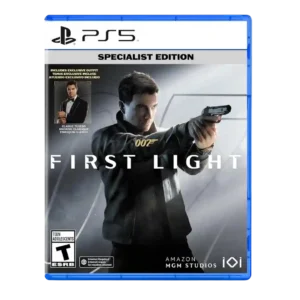
Level design receives very strong praise from IGN for systemic intelligence, opportunity density, and the way environments support stealth and action.
Pros: stealth mechanics, combat system
Cons: pacing

Areas such as Mistwoods stand out for stronger environmental hazards, puzzles, mood shifts, and reasons to engage with the space rather than simply cross it.
Pros: fun factor, gameplay mechanics
Cons: monetization fairness, menu usability
Districts stand out as unique and handcrafted rather than feeling copied and pasted, helping routes stay visually distinctive.
Pros: open-world design, fun factor
Cons: AI behavior, polish
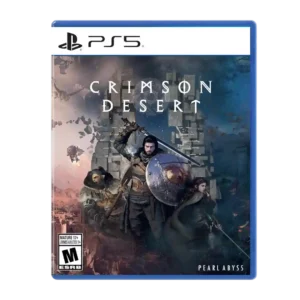
Reviewer evidence is strongly positive: level design was repeatedly praised as a standout strength across 1 review(s).
Pros: combat system, graphics quality
Cons: controls responsiveness, narrative quality

Level design earns praise for standout roads and elevation changes that create memorable racing routes.
Pros: graphics quality, accessibility options
Cons: AI behavior, difficulty balance
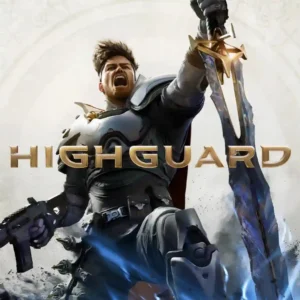
Base layouts earned strong praise for creating distinct defensive choices and intense close-quarters spaces.
Pros: fun factor, combat system
Cons: originality, battle mode quality

The previewed locations stand out for environmental storytelling, charm, and personality-rich visual composition.
Pros: emotional impact, choice impact
Cons: narrative quality, bug frequency
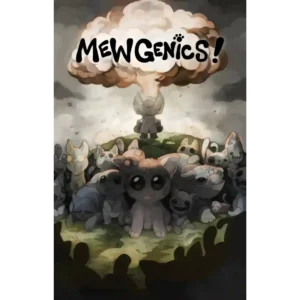
The reviewed levels are praised for supporting tactical variety and pairing well with changing hazards, enemies, and environmental rules.
Pros: combat system, soundtrack quality
Cons: difficulty balance, learning curve
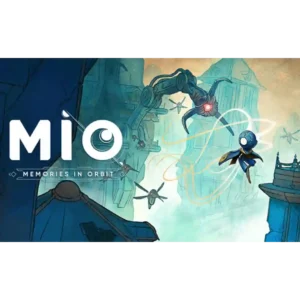
Clever level layouts combine secrets, traversal challenges, enemies, and boss spaces in ways that consistently push players to learn and adapt. The design rewards attention without abandoning the interconnected Metroidvania...
Pros: movement feel, originality
Cons: difficulty balance, combat system
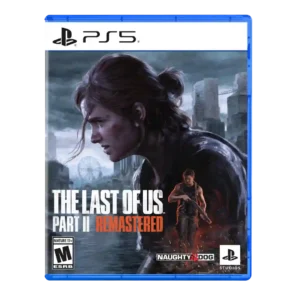
Level design received strong praise from one reviewer for making linear spaces feel flexible and meaningful.
Pros: content variety, narrative quality
Cons: pacing
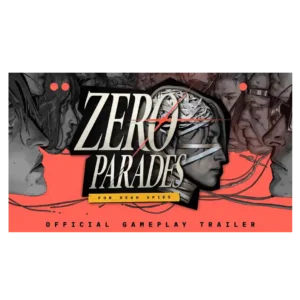
Districts, interiors, rooftops, and alleys communicate history and mood before dialogue begins. The compact city supports discovery without feeling like a generic open world.
Pros: narrative quality, writing quality
Cons: pacing, bug frequency
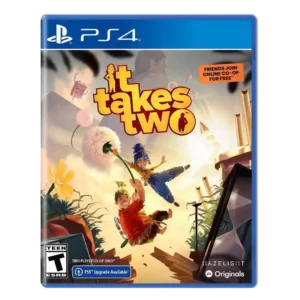
Level design is consistently praised as creative, intricate, masterfully mapped out, and varied across imaginative environments.
Pros: co-op experience, fun factor
Cons: narrative quality, dialogue quality
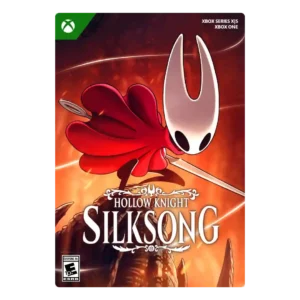
Level design is strongly praised for seamless area flow, purposeful rooms, thoughtful platform placement, and dense Metroidvania structure.
Pros: difficulty balance, art direction
Cons: economy and resource balance, checkpoint system
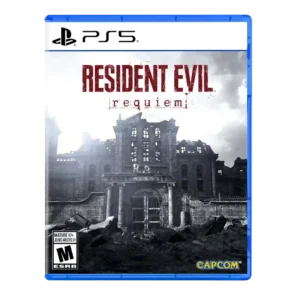
Level design was a major strength, especially the care center’s loops, agency, and interconnected mansion-like structure.
Pros: pacing, combat system
Cons: originality

A.R.E.S. is compact but distinctive, with rooms that reveal the people who occupied them.
Pros: puzzle design, user interface design
Cons: core gameplay loop, narrative quality

Level design was widely admired for dense, layered spaces, fresh ideas, and challenge variety, especially once the game opens up.
Pros: fun factor, world interactivity
Cons: frame rate stability, boss design

Level design stood out for memorable finales, strong set pieces, and mechanics that could sustain larger ideas.
Pros: co-op experience, content variety
Cons: writing quality, narrative quality

Level design was praised for verticality, density, handcrafted routes, and spaces that felt larger than their footprint.
Pros: combat system, narrative quality
Cons: difficulty balance, enemy variety

Level and environment design is praised for being more thoughtful and confident in how it leverages traversal.
Pros: narrative quality, combat system
Cons: difficulty balance, weapon balance
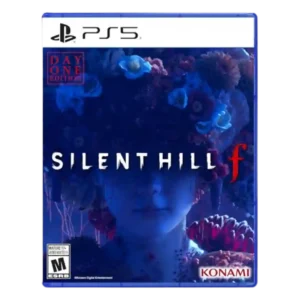
Level design was praised for compact, meaningful areas and strong map layout, especially when supporting exploration, puzzles, and atmosphere.
Pros: puzzle design, narrative quality
Cons: combat system, enemy variety
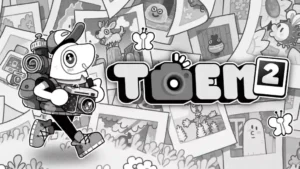
Compact towns are dense, visually distinct, and built to reward curiosity, with stronger verticality and memorable themes. A few comparisons to the original note slightly reduced density or complexity, but...
Pros: game length, gameplay mechanics
Cons: innovation, difficulty balance
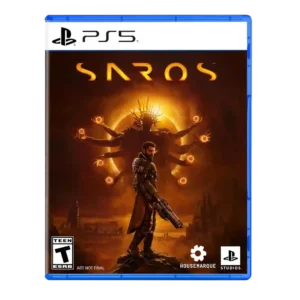
Level design was strongly praised for handcrafted chunks, biome structure, combat spaces, and a balance between freshness and mastery.
Pros: narrative quality, combat system
Cons: side character depth, dialogue quality

Kanto’s compact, interconnected routes and smart roadblocks remain a major strength, letting players discover paths and sequence parts of the journey without becoming directionless.
Pros: fun factor, faithfulness to franchise
Cons: remake/remaster quality, value for money
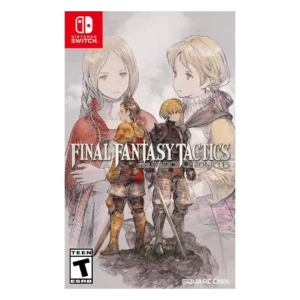
Level and map design remained a major strength because verticality and terrain created memorable tactical spaces.
Pros: remake/remaster quality, voice acting
Cons: content variety, camera behavior

Stage and level design earn praise for evolving Power Stone arenas and thoughtful layouts that support strategy and spectacle.
Pros: content variety, value for money
Cons: cross-play support, competitive balance
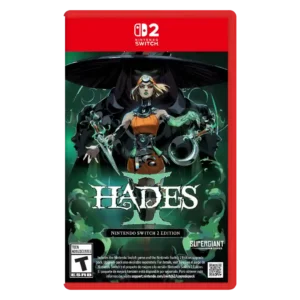
Level design is praised for distinct areas, route variety, and region-specific mechanics that add structure beyond simple room chains.
Pros: combat system, progression system
Cons: originality
Maps received strong praise for flow, density, varied spaces, and strategic layouts across multiple reviews.
Pros: sound design, combat system
Cons: voice acting, menu usability
Level design is a standout, from folding streets and gravity-shifted city blocks to stranger interior spaces that turn perspective itself into a traversal and puzzle mechanic.
Pros: combat system, narrative quality
Cons: boss design, map and navigation design
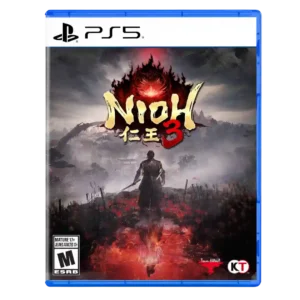
Level design was broadly praised for open-field layouts, strong world structure, and mission-like areas integrated into larger spaces.
Pros: combat system, open-world design
Cons: narrative quality, performance optimization
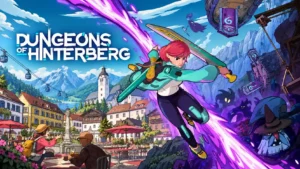
The dungeons are the standout attraction, repeatedly finding new ideas within each region’s limited powers. Some early layouts are less exciting than the inventive later challenges.
Pros: puzzle design, social features
Cons: enemy variety, polish
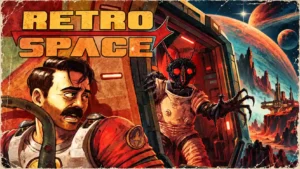
Aurora 5’s vents, maintenance passages, vertical spaces, and looping shortcuts are a major strength. Thoughtful interconnection rewards searching even when ladders and mapping tools fail to match the quality of...
Pros: overall quality, art direction
Cons: map and navigation design, difficulty balance

Reviewers respond very positively to the level design, describing it as a notable strength of the overall experience.
Pros: narrative quality, fun factor
Cons: grind level, learning curve

Level design is one of the strongest areas, with carefully placed hazards, secrets, character-specific routes, and increasingly inventive set pieces. Even more critical reviews usually acknowledge the stages are well...
Pros: replay value, difficulty balance
Cons: game length, boss design

Stage design is a major strength in the more positive coverage. Rooms, optional routes, hidden areas, backtracking and secondary objectives make locations feel more like spaces to explore than simple...
Pros: fun factor, faithfulness to franchise
Cons: combat system, game length
Randomized dungeons and distinct biomes are major strengths, but the Mistlands' fog and awkward terrain are a notable low point.
Pros: town-building system, exploration quality
Cons: grind level, fast travel convenience
The game uses broad, explorable stages rather than one continuous open world. Hidden paths, optional items, side activities, and compact runbacks give the zones both freedom and structure.
Pros: combat system, companion AI

Mount Kami works as a long sequence of open-ended climbing problems, with multiple lines, difficult cruxes, plateaus, caves, and optional routes that reward observation rather than markers.
Pros: narrative quality, emotional impact
Cons: difficulty balance, gameplay mechanics
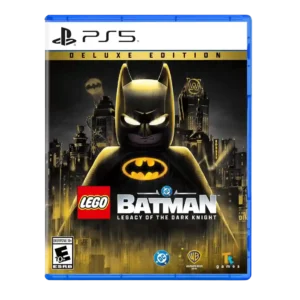
Level design is praised for longer, more vertical, and well-designed mission spaces rather than flat or shallow levels.
Pros: combat system, exploration quality

The roguelike dungeon rooms are praised for turning gentle life activities into timed, tense challenges.
Pros: core gameplay loop, narrative quality
Cons: crafting system, multiplayer design
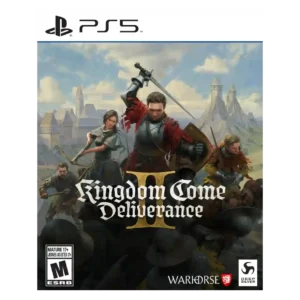
One reviewer praised the way locations were recontextualized into memorable set-pieces that rewarded planning and awareness.
Pros: combat system, narrative quality
Cons: save system reliability, learning curve

Stage transitions are praised for being fast and not interrupting match flow.
Pros: fun factor, character roster
Cons: tutorial quality, competitive balance
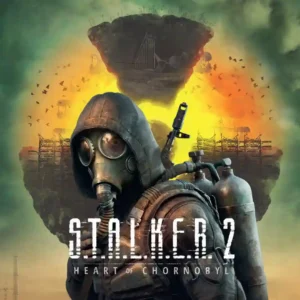
Cost of Hope’s added regions are praised as strong pieces of world design, with distinct hostile spaces that make exploration feel fresh and memorable.
Pros: immersion, fun factor
Cons: bug frequency, AI behavior
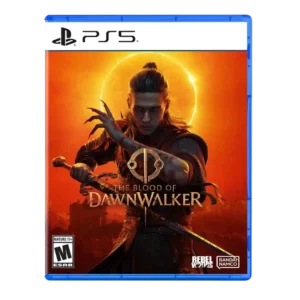
Vampire traversal hints at strong vertical level design, with teleportation, wall-walking, and alternate routes opening spaces in ways ordinary movement cannot.
Pros: combat system, fun factor
Cons: content variety, polish
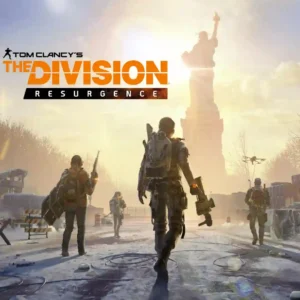
Enemy nests, alleys, rooftops, and urban squares provide lively, action-focused combat arenas.
Pros: content variety, controls responsiveness
Cons: narrative quality, menu usability
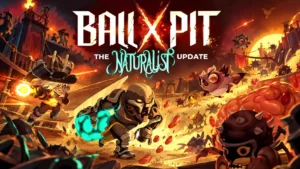
Biomes introduce shields, hazards, and other small mechanical changes that make positioning matter. The best received stages offer more than a new backdrop.
Pros: fun factor, upgrade system
Cons: user interface design, grind level
Track design was usually praised for style, branching, and spectacle, with only a few complaints about cramped layouts or visual overload.
Pros: battle mode quality, content variety
Cons: learning curve, competitive balance
Skyrim improves sharply on Oblivion’s repetitive dungeons, with more individualized layouts, environmental variety, shortcuts, traps, and discoveries. Repetition still creeps in after very long play sessions.
Pros: graphics quality, progression system
Cons: combat system, bug frequency