
If you want better progression system
Choose SPRAWL zero. It scores 5.0 vs 3.4 for progression system, with a 4.0 overall score.

Choose Welcome to Elderfield if you want a deep farming RPG where eerie exploration and tactical combat matter as much as crops. Skip it if heavy RNG, punishing fights, or occasionally unclear progression would sour the cozy side.
Best for players who like farming and life sims but want meaningful combat, unsettling exploration, deep lore, and a stranger, darker world. It especially suits players willing to learn interconnected systems and accept some risk.
Skip it if you want a low-stress farming routine, dislike turn-based combat, or strongly prefer predictable progress. The RNG, early difficulty, slow stretches, and occasional interface or navigation friction can be substantial.
Welcome to Elderfield turns familiar farming-sim routines into the foundation for a surprisingly deep horror RPG. Its strongest qualities are the oppressive-yet-cozy atmosphere, distinctive manga-meets-pixel art, rewarding exploration, and turn-based combat that gives farming, food, gear, and crafting real purpose. The tradeoff is friction: normal difficulty can be punishing, sleep and dice systems can feel unfair, progression and upgrade paths are sometimes unclear, and technical polish varies by build. Players who enjoy slow discovery, dense systems, and a constant sense of unease are likely to find it unusually absorbing; those wanting a soothing, predictable farm sim may find its grind and randomness exhausting.
Compared with other Video Games, this product is above average in crash stability, menu usability, mission variety, near average in soundtrack quality, grind level, below average in character diversity, character development, character customization.
| Attribute | This product | Category average | Difference |
|---|---|---|---|
| character diversity | 1.0 | 4.5 | -3.5 |
| character development | 1.5 | 3.7 | -2.2 |
| crash stability | 5.0 | 3.1 | +1.9 |
| character customization | 2.0 | 3.9 | -1.9 |
| seasonal content quality | 2.0 | 3.7 | -1.7 |
| menu usability | 4.7 | 3.0 | +1.6 |
| mission variety | 5.0 | 3.4 | +1.6 |
| co-op experience | 2.5 | 4.1 | -1.6 |
Choose SPRAWL zero. It scores 5.0 vs 3.4 for progression system, with a 4.0 overall score.
Choose The Rogue Prince of Persia. It scores 4.6 vs 2.0 for character customization, with a 4.0 overall score.
Choose Valheim. It scores 5.0 vs 2.5 for performance optimization, with a 4.5 overall score.
Choose Moonlighter 2: The Endless Vault. It scores 5.0 vs 1.0 for character diversity, with a 4.0 overall score.
Products reviewers directly compared with this model, grouped into quick takeaways.
It has farming, relationships, decorating, and a Cozy difficulty, but the world stays unsettling and combat remains central. The cozy side is real, just constantly mixed with horror.
Normal difficulty can be punishing early, especially before gear and food improve. Cozy mode lowers the pressure, while harder settings lean much further into the game’s RNG-heavy RPG side.
Farming matters because crops, food, money, crafting, and upgrades directly support exploration and combat. Several players praised how the two halves feed each other rather than feeling separate.
There is a very large amount to do across farming, ranching, quests, relationships, mysteries, dungeons, crafting, and exploration. Some players still felt far from finished after 20–30 hours, while one 70-hour player found the remaining progression too long.
Steam Deck impressions are mixed but generally playable. Some players reported smooth handheld performance, while others saw bugs, stutter, frame dips, or higher-than-expected power use.
The main drawbacks are punishing RNG, uneven progression clarity, occasional navigation and UI friction, some repetitive or grindy stretches, and technical issues that vary by build.
These are a few of the reviews included in our analysis.

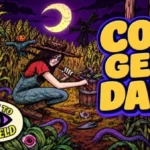


Welcome to Elderfield is an addictive experience that successfully marries the satisfaction of farming with the tension of cosmic horror.
This is a detailed guide that covers the basic mechanics of Welcome to Elderfield.
A farming game drawn like a horror manga, where you marry an odd villager and pull up the tentacles growing in the field.
A terrifying horror, farming sim you can really sink your teeth into.
Burned out on Stardew Valley and want something darker for the Fall season? Read our Welcome to Elderfield review & enjoy being haunted.
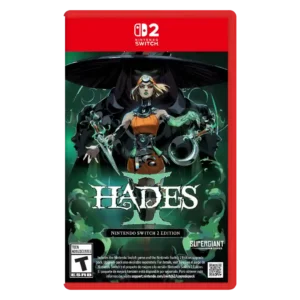
Good if you want fast, tactical roguelite combat with huge progression depth, striking art, and standout music. Skip it if repetition, resource micromanagement, or a less emotionally satisfying sequel story...
Pros: skill tree depth, dialogue quality
Cons: emotional impact, economy and resource balance
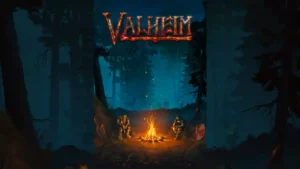
Good if you want a beautiful, demanding survival sandbox built around exploration, building, progression, and memorable co-op. Skip it if long resource runs, harsh death recovery, and deliberate pacing sound...
Pros: core gameplay loop, movement feel
Cons: economy and resource balance, map and navigation design

Best for joyful destruction, dense exploration, and a charming DK-Pauline adventure. Skip it if camera quirks, frame-rate dips, easy bosses, or premium Switch 2 pricing are dealbreakers.
Pros: gameplay mechanics, world interactivity
Cons: economy and resource balance, enemy variety
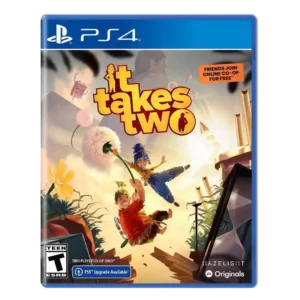
Best for joyful, inventive co-op with a partner, especially on couch. Skip it if divorce themes, uneven story tone, or Switch visual compromises would distract you.
Pros: core gameplay loop, movement feel
Cons: character development, dialogue quality