If you want better content completeness
Choose Metro Redux. It scores 4.8 vs 3.5 for content completeness, with a 4.1 overall score.

Fantasy racing features frequent explosive vehicle crashes, weapons, and dangerous environmental hazards. Rival intimidation, revenge themes, simulated wagers, and optional online competition add concerns for younger children.
Choose for blistering arcade racing, authentic Star Wars atmosphere, and inventive vehicle builds. Skip if long campaign resets, repeated planets, or the lack of split-screen and custom races would spoil the fun.
Arcade-racing fans who enjoy mastering fast vehicles, experimenting with synergistic builds, and chasing another successful run. Star Wars fans get carefully realized machinery, planets, and a welcome return to podracing.
Players seeking forgiving campaign progress, freely configurable solo races, or local split-screen competition. Large groups wanting private online events will also find the available options restrictive.
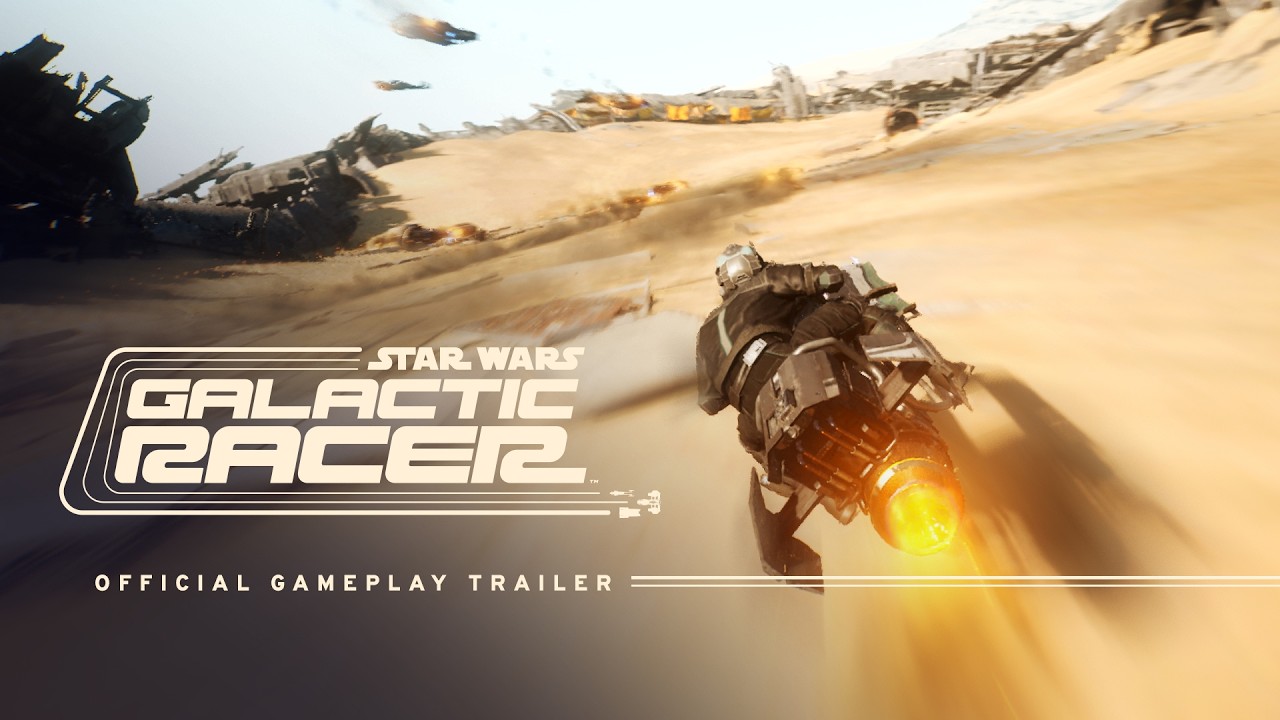
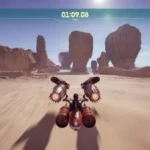
Star Wars: Galactic Racer earns its strongest praise on the track: weighty handling, intoxicating speed, spectacular takedowns, and convincing engine audio make its vehicles a pleasure to master. Planetary hazards and surprisingly deep builds turn each tour into more than a succession of races. The run-based campaign gives upgrades and decisions real stakes, and permanent rewards make failure motivating for many players. That same structure is its biggest dividing line. Losing a lengthy run near the finish can feel wasteful, particularly when the planets and hub routines have become familiar. Online tours offer an exciting alternative, but limited party options, missing private races, and no split-screen constrain group play. Its light rivalry story and orchestral music attract both praise and criticism. The result is an exceptional arcade racer for players who enjoy experimentation and can tolerate repetition and punishment.
Compared with other Video Games, this product is above average in QTE design, server reliability, bug frequency, near average in vehicle roster, world-building, below average in community features, couch co-op quality, animation quality.
| Attribute | This product | Category average | Difference |
|---|---|---|---|
| community features | 1.5 | 4.2 | -2.7 |
| QTE design | 4.6 | 2.8 | +1.8 |
| server reliability | 4.8 | 2.7 | +2.1 |
| couch co-op quality | 2.0 | 4.0 | -2.0 |
| animation quality | 2.1 | 4.0 | -1.9 |
| bug frequency | 4.5 | 2.9 | +1.6 |
| split-screen quality | 2.1 | 3.6 | -1.6 |
| online stability | 4.8 | 3.0 | +1.7 |
Choose Metro Redux. It scores 4.8 vs 3.5 for content completeness, with a 4.1 overall score.
Choose Forza Horizon 5. It scores 5.0 vs 4.2 for level design, with a 4.3 overall score.
Choose Dynasty Warriors 3 Complete Edition Remastered. It scores 4.8 vs 3.5 for content variety, with a 3.9 overall score.
Choose Elden Ring: Tarnished Edition. It scores 5.0 vs 4.2 for core gameplay loop, with a 4.2 overall score.
Products reviewers directly compared with this model, grouped into quick takeaways.
No. Landspeeders, speeder bikes, and skim speeders are central to the campaign, while podracers appear in dedicated events and modes. Many enjoy the wider vehicle mix, though some want more campaign podracing.
Losing your league tokens ends the current tour and scraps its vehicle build. Permanent upgrades, unlocked styles, and favors can strengthen the next attempt, but repeating a long act remains a major frustration for some players.
It rewards track knowledge, quick reactions, and careful boost management. Difficulty settings and forgiving ordinary races help, but eliminators, mandatory victories, and fast podracing can still produce sharp challenge spikes.
The repeated complaint is that split-screen and private online lobbies are unavailable. One tested account also reports a maximum matchmaking party of three, limiting larger groups.
Most accounts criticize the lack of a freely configurable offline race. Arcade and scenarios offer preset challenges and practice, but they do not provide the unrestricted track-and-rule selection many players want.
Scenarios, arcade challenges, time trials, vehicle unlocks, and multiplayer tours support further play. Build variety sustains replay for many players, while the small recurring planet selection can become tiring.
Most tested PC and console builds are described as smooth, often with stable 60fps console racing, though one PC account reports repeated crashes. A Steam Deck test finds it playable at low settings around 30–40fps, with muddy visuals and fluctuating performance.
These are a few of the reviews included in our analysis.

Star Wars: Galactic Racer (PlayStation 5) Review – 8.5/10: Galactic Racer is a Star Wars game, and that might be enough for some, but not for...
Well it’s about time. Star Wars games have always taken on narrow assignments. The Jedi. The Soldiers. The Space Battles. Not since 2002, and...
Well it’s about time. Star Wars games have always taken on narrow assignments. The Jedi. The Soldiers. The Space Battles. Not since 2002, and...
Star Wars: Galactic Racer takes you to the Galactic League and pits your racing against the best in the galaxy. Is it worth it?
Star Wars: Galactic Racer is a fabulous looking and frantically fast anti-grav racer that gets a little repetitive thanks to its heavy...

Best for fluid traversal, rewarding exploration, striking art, and forgiving quality-of-life features. Skip it if you want deep combat, radical genre innovation, or consistently demanding bosses.
Pros: difficulty balance, boss design
Cons: innovation, sandbox freedom

Good if you want fast, tactical roguelite combat with huge progression depth, striking art, and standout music. Skip it if repetition, resource micromanagement, or a less emotionally satisfying sequel story...
Pros: combat system, progression system
Cons: originality

Good if you want a beautiful, demanding survival sandbox built around exploration, building, progression, and memorable co-op. Skip it if long resource runs, harsh death recovery, and deliberate pacing sound...
Pros: town-building system, exploration quality
Cons: grind level, fast travel convenience

Best for joyful destruction, dense exploration, and a charming DK-Pauline adventure. Skip it if camera quirks, frame-rate dips, easy bosses, or premium Switch 2 pricing are dealbreakers.
Pros: fun factor, world interactivity
Cons: frame rate stability, boss design