If you want better character development
Choose Ghost of Yōtei. It scores 4.8 vs 1.7 for character development, with a 4.4 overall score.

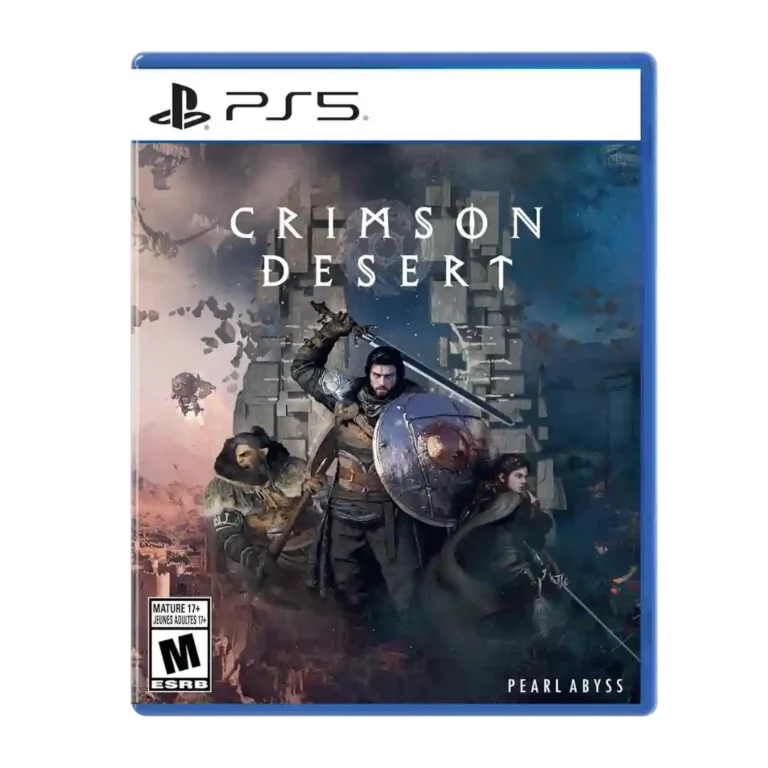
Choose Crimson Desert for a massive, visually stunning sandbox with thrilling combat, discovery, and deep systems. Skip it if weak storytelling, clunky controls, boss spikes, bugs, or grind will sour a 100-hour RPG.
Best for players who want a huge open-world sandbox built around discovery, combat experimentation, traversal, side activities, and long-term progression. It especially fits players willing to learn systems slowly and tolerate friction for memorable emergent moments.
Not for players who prioritize a polished cinematic story, clean controller mapping, streamlined inventory, easy fast travel, or stable quest progression. Casual players may also bounce off the boss spikes, long onboarding, and grind-heavy preparation.
Crimson Desert is one of the most ambitious open-world RPGs in the evidence, and reviewers repeatedly admire its huge, reactive world, striking visuals, strong PC performance, and combat that can feel spectacular once its systems open up. The tradeoff is consistency. The same scale that creates discovery also brings clutter, padding, inventory friction, obtuse tutorials, clunky controls, and divisive boss fights. Storytelling is the clearest weak point: several reviewers call the plot shallow, messy, or forgettable, even when they praise voice acting or side moments. The overall picture is a dazzling but uneven sandbox whose best exploration and combat highs require tolerance for rough edges.
Compared with other Video Games, this product is above average in map and navigation design, level design, open-world design, near average in graphics quality, combat system, below average in stealth mechanics, controls responsiveness, character development.
| Attribute | This product | Category average | Difference |
|---|---|---|---|
| stealth mechanics | 1.0 | 3.3 | -2.3 |
| controls responsiveness | 2.0 | 3.8 | -1.8 |
| character development | 1.7 | 3.7 | -2.0 |
| endgame content | 1.5 | 3.5 | -2.0 |
| lore depth | 2.0 | 4.0 | -2.0 |
| narrative quality | 2.0 | 3.6 | -1.7 |
| protagonist appeal | 2.0 | 3.7 | -1.7 |
| save system reliability | 1.3 | 3.0 | -1.8 |
Choose Ghost of Yōtei. It scores 4.8 vs 1.7 for character development, with a 4.4 overall score.
Choose Romeo is a Dead Man. It scores 4.8 vs 1.5 for endgame content, with a 3.5 overall score.
Choose Onimusha: Way of the Sword. It scores 5.0 vs 2.4 for bug frequency, with a 4.1 overall score.
Choose Star Wars Outlaws. It scores 5.0 vs 2.1 for menu usability, with a 3.5 overall score.
Products reviewers directly compared with this model, grouped into quick takeaways.
No. Reviewers repeatedly say the story is shallow, messy, or forgettable, even when some found emotional Greymane moments or voice acting worthwhile.
The strongest praise goes to the massive open world, visual scale, exploration, sandbox freedom, combat highs, and the sheer variety of activities.
Combat is widely described as powerful, flashy, and satisfying at its best, but several reviewers criticize long encounters, boss spikes, camera issues, and overloaded controls.
PC performance receives strong praise across several reviews, while console evidence is more mixed, with PS5 Pro looking strongest and base-console modes showing compromises.
Yes. Some reviewers encountered only a few issues, but others reported crashes, quest bugs, and even progression-blocking save problems.
Not especially. Reviewers note little hand-holding, a steep learning curve, obtuse instructions, and controls that can take many hours to settle into.
These are a few of the reviews included in our analysis.


Best for fluid traversal, rewarding exploration, striking art, and forgiving quality-of-life features. Skip it if you want deep combat, radical genre innovation, or consistently demanding bosses.
Pros: difficulty balance, boss design
Cons: innovation, sandbox freedom

Good if you want fast, tactical roguelite combat with huge progression depth, striking art, and standout music. Skip it if repetition, resource micromanagement, or a less emotionally satisfying sequel story...
Pros: combat system, progression system
Cons: originality

Good if you want a beautiful, demanding survival sandbox built around exploration, building, progression, and memorable co-op. Skip it if long resource runs, harsh death recovery, and deliberate pacing sound...
Pros: town-building system, exploration quality
Cons: grind level, fast travel convenience

Best for joyful destruction, dense exploration, and a charming DK-Pauline adventure. Skip it if camera quirks, frame-rate dips, easy bosses, or premium Switch 2 pricing are dealbreakers.
Pros: fun factor, world interactivity
Cons: frame rate stability, boss design