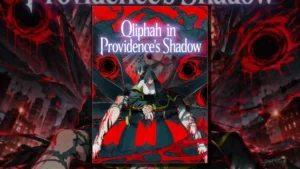
The game takes substantial mechanical risks, especially with its counter-timeline combat and hybrid structure. That willingness to experiment is one of its clearest strengths.
Pros: combat system, originality
Cons: overall quality, narrative quality

The game takes substantial mechanical risks, especially with its counter-timeline combat and hybrid structure. That willingness to experiment is one of its clearest strengths.
Pros: combat system, originality
Cons: overall quality, narrative quality

The strongest innovation is making horror part of the farming routine itself rather than a separate mode. Dice rolls, survival tradeoffs, and unsettling domestic systems give familiar mechanics a fresh...
Pros: combat system, difficulty balance
Cons: progression system, bug frequency
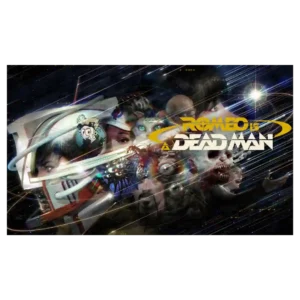
The most celebrated innovations are small but memorable: the DeadGear Cannonball progression maze, Bastard system, mixed-media storytelling, and willingness to switch genres without warning.
Pros: fun factor, originality
Cons: combat system, narrative quality
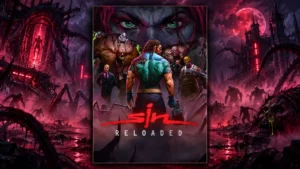
Locational damage, environmental interaction, reactive objectives, and branching level outcomes still feel remarkably forward-thinking for a 1998 FPS.
Pros: remake/remaster quality, overall quality
Cons: level design, map and navigation design
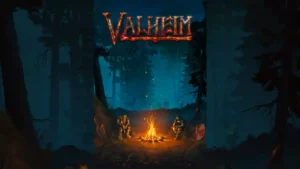
Its influence on later survival games is explicitly recognized, with Valheim treated as a genre-shaping example rather than merely another successful entry.
Pros: town-building system, exploration quality
Cons: grind level, fast travel convenience
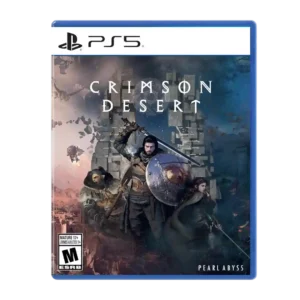
Reviewer evidence is strongly positive: innovation was repeatedly praised as a standout strength across 1 review(s).
Pros: combat system, graphics quality
Cons: controls responsiveness, narrative quality
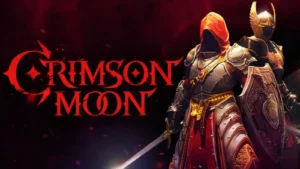
The combination of roguelike runs, action-RPG loot, Soulslike combat, and co-op feels fresh enough to stand out even though each individual ingredient is familiar.
Pros: value for money, combat system
Cons: camera behavior, content variety

The open-world reinvention is still described as revolutionary years later, especially in how it turns traditional Souls difficulty into freedom to explore elsewhere and return stronger.
Pros: performance optimization, frame rate stability
Cons: controller ergonomics, platform-specific feature support
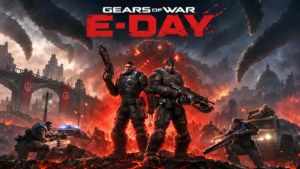
E-Day modernizes movement, cover, upgrades, and presentation, but opinions split on whether those changes are bold enough. Critics looking for a major reinvention see the game as too attached to...
Pros: combat system, graphics quality
Cons: exploration quality, mission design
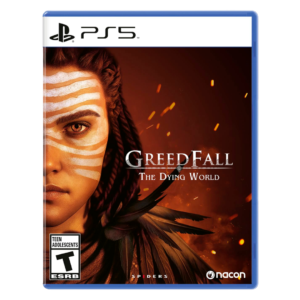
The perspective shift and willingness to build an entire RPG around colonialism, displacement, and tactical party play make the game feel unusually ambitious and distinctive.
Pros: narrative quality, side character depth
Cons: combat system, polish
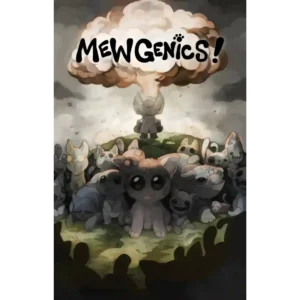
Blending inherited cat genetics, disposable one-run fighters, and deep grid tactics gives the roguelite formula a genuinely fresh identity rather than merely reskinning familiar systems.
Pros: combat system, soundtrack quality
Cons: difficulty balance, learning curve

Rather than simply polishing the original, the sequel meaningfully rethinks its structure with 3D combat, relic puzzles, and deeper run-based systems.
Pros: core gameplay loop, difficulty balance
Cons: narrative quality, load times
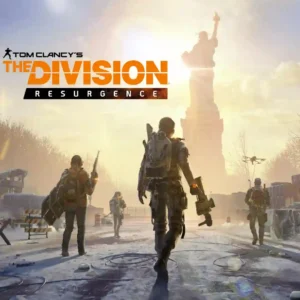
The franchise's first fully shared open world is seen as a major improvement that should influence future Division games.
Pros: content variety, controls responsiveness
Cons: narrative quality, menu usability
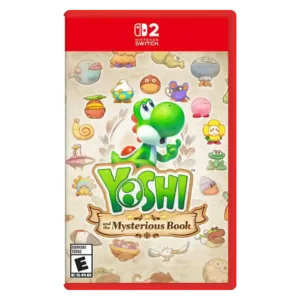
The game boldly reframes a Yoshi platformer as an interactive creature study built around experimentation. Reviewers widely praised its willingness to prioritize discovery over conventional stage completion.
Pros: art direction, exploration quality
Cons: difficulty balance, core gameplay loop
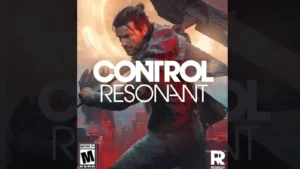
The sequel earns broad credit for refusing to repeat the original: its melee focus, warped open zones, gravity traversal, and structural experimentation feel unusually bold for a major sequel.
Pros: combat system, narrative quality
Cons: boss design, map and navigation design

Twining gives Aniimo a genuine identity by making collected creatures usable across traversal, puzzles, exploration, and combat rather than limiting them to battles.
Pros: fun factor, gameplay mechanics
Cons: monetization fairness, menu usability

Innovation had limited but strong support from a reviewer who said the RPG-infused visual novel felt unlike anything they had encountered in the genre.
Pros: narrative quality, voice acting
Cons: bug frequency, menu usability
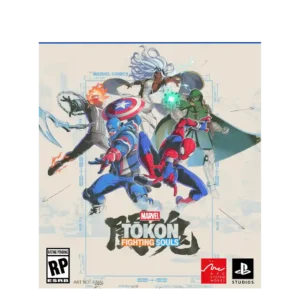
The reveal was received as bold and surprising, emphasizing the game's unusual 4v4 Marvel fighter concept.
Pros: fun factor, character roster
Cons: tutorial quality, competitive balance
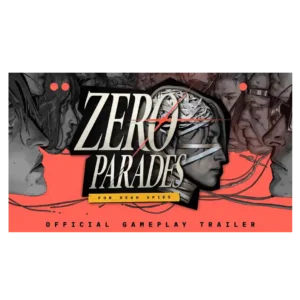
Conditioning meaningfully expands the familiar thought-system formula with violations, restrictions, and stronger interaction with the rest of the build.
Pros: narrative quality, writing quality
Cons: pacing, bug frequency
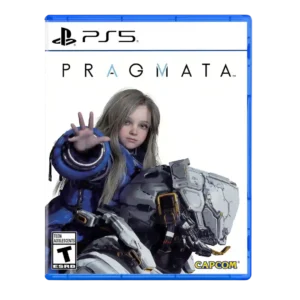
Innovation is one of the strongest attributes, especially the real-time hacking/shooting blend and Capcom’s willingness to build a new IP around it.
Pros: combat system, emotional impact
Cons: map and navigation design, platforming precision
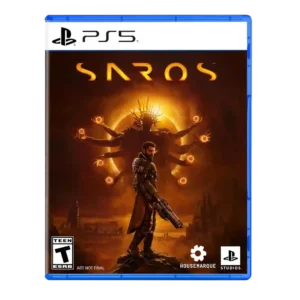
Innovation centered on the shield, bullet-as-resource design, haptic implementation, and a more flexible challenge structure.
Pros: narrative quality, combat system
Cons: side character depth, dialogue quality
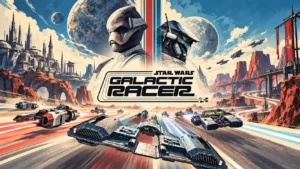
The campaign's run structure is repeatedly praised as a fresh approach to racing. Environmental strategy and evolving vehicle builds make that novelty feel meaningful rather than cosmetic.
Pros: fun factor, overall quality
Cons: difficulty balance, pacing
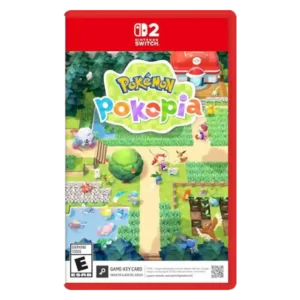
Innovation was praised as a fresh direction for Pokémon, with reviewers calling it novel, benchmark-setting, and franchise-reinvigorating.
Pros: core gameplay loop, content variety
Cons: pacing, menu usability
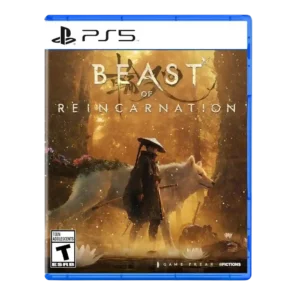
Blending real-time parries with slow-motion companion commands creates a fresh tactical rhythm. Koo’s abilities and Emma’s vine movement help the game distinguish itself from straightforward Soulslike comparisons.
Pros: combat system, companion AI
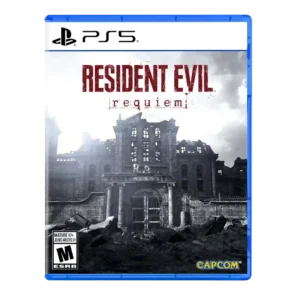
Innovation drew praise where reviewers saw Requiem as a step forward or ambitious new baseline for the franchise.
Pros: pacing, combat system
Cons: originality
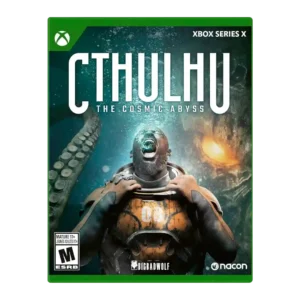
One review strongly praised the sci-fi Lovecraft blend, suggesting the game made that approach feel newly appealing.
Pros: puzzle design, atmosphere
Cons: horror tension, crash stability
Nagash’s faction design and the world-changing End Times systems push Warhammer III into genuinely new territory. Not every lord is equally inventive, but the expansion as a whole raises the...
Pros: gameplay mechanics, fun factor
Cons: AI behavior, polish

Making civilians responsible for rescuing Haddonfield residents instead of simply escaping gives the asymmetrical formula a recognizable identity of its own.
Pros: fun factor, multiplayer design
Cons: bug frequency, AI behavior

Many accounts admire the sustained invention produced by combining different puzzle languages. A dissenting first impression finds the game insufficiently fresh beside newer Sokoban adventures.
Pros: overall quality, puzzle design
Cons: narrative quality, difficulty balance
Skyrim is not viewed as a wholesale revolution, yet its streamlined progression, classless character development, open-world density, and combination of systems were important refinements that helped define modern open-world RPG...
Pros: graphics quality, progression system
Cons: combat system, bug frequency
Reviewers praise the way the game modernizes Onimusha and combines familiar action ideas into a distinctive parry-centered system rather than simply becoming another Soulslike.
Pros: combat system, fun factor
Cons: pacing, open-world design
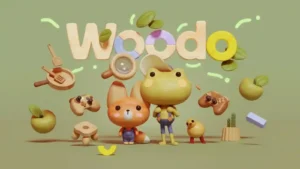
Interactive miniature sets and clever orientation cues give a familiar puzzle activity a thoughtful twist.
Pros: art direction, narrative quality
Cons: difficulty balance, replay value

Berseria’s anti-hero lead, darker story, and freer combat represented meaningful departures from older Tales conventions that several reviewers still appreciate.
Pros: narrative quality, combat system
Cons: remake/remaster quality, value for money

The unlikely genre combination works surprisingly well. Horror changes the stakes of otherwise ordinary delivery tasks in a way several reviewers found inventive.
Pros: core gameplay loop, overall quality
Cons: map and navigation design, driving mechanics
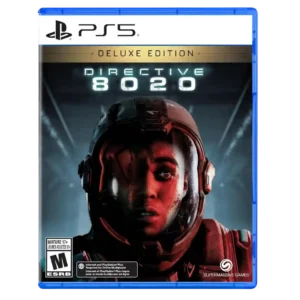
Innovation was praised where reviewers saw exploration, direct control, and the sci-fi impostor setup as meaningful changes.
Pros: horror tension, gameplay mechanics
Cons: AI behavior, polish
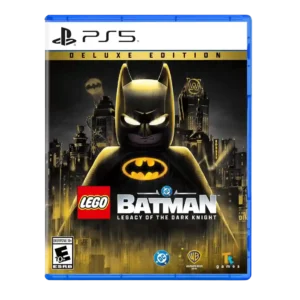
Innovation is promising, with reviewers saying the game feels unexpectedly different and potentially TT Games' most ambitious project.
Pros: combat system, exploration quality

Randomized codes resist copied solutions, while the time loop and clue tracking give the familiar station mystery its own identity.
Pros: puzzle design, user interface design
Cons: core gameplay loop, narrative quality

The core idea of imagining the chaos a dog causes while left home alone feels fresh, even when the surrounding indie style is familiar.
Pros: fun factor, puzzle design
Cons: hint system, originality

The combination of familiar horror ideas, narrative style, and mechanics creates a fresh experience with a strong identity.
Pros: overall quality, atmosphere
Cons: boss design, movement feel

The innovative appeal comes from combining ordinary management and life-sim routines with corporate dystopia. The individual activities are familiar, but their relationship to the setting feels different.
Pros: overall quality, shopkeeping system
Cons: performance optimization, pacing
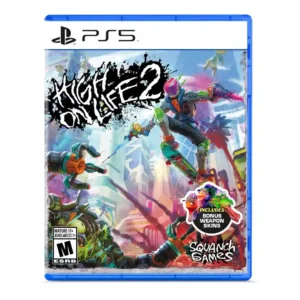
The sequel’s best ideas are boldly inventive, especially skateboarding, menu-breaking bosses, and one-off mission mechanics, even if the core formula remains familiar.
Pros: writing quality, fun factor
Cons: bug frequency, combat system
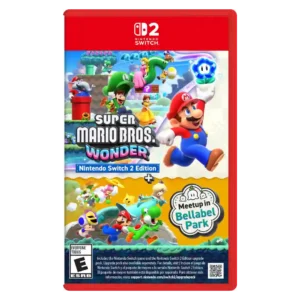
The base game is still celebrated for constant invention, while the best new boss and co-op ideas cleverly reuse those mechanics. Bellabel Park is less revolutionary overall because much of...
Pros: fun factor, multiplayer design
Cons: matchmaking quality, map and navigation design
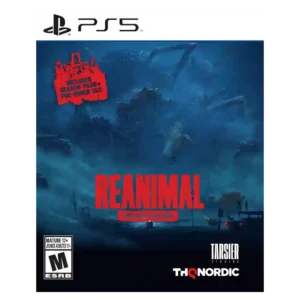
Innovation is positive overall, with reviewers citing broader ambition, new verbs, camera work, co-op, and fresh action-exploration ideas.
Pros: narrative quality, atmosphere
Cons: puzzle design, fun factor

The innovation is generally well received, with praise outweighing the smaller reservations raised across the reviews.
Pros: narrative quality, fun factor
Cons: grind level, learning curve
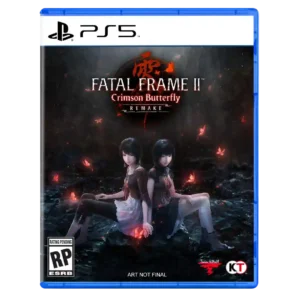
The Camera Obscura remains an inventive horror concept, and the remake takes some smart chances with filters and combat without reinventing the series.
Pros: remake/remaster quality, horror tension
Cons: combat system, frame rate stability

Innovation was praised for unique twists, meaningful fight damage, and design choices that distinguish it from other fighters.
Pros: fun factor, combat system
Cons: learning curve, competitive balance

Reviewers generally welcome Townfall’s first-person structure, CRTV, and Scottish setting as confident experiments within the series. The game is seen as a meaningful variation even when individual new mechanics do...
Pros: horror tension, puzzle design
Cons: stealth mechanics, fun factor
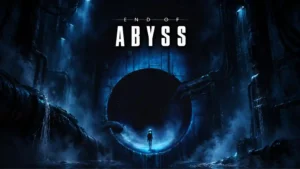
The blend of cinematic horror, survival mechanics, twin-stick shooting, Souls-like ideas, and Metroidvania structure feels fresh to many sources, even when the pieces do not always fit together cleanly.
Pros: atmosphere, exploration quality
Cons: map and navigation design, bug frequency
SPRAWL zero does not reinvent shooters wholesale, but the disposable-weapon economy and Gravity Gloves give its retro framework a distinctive modern hook.
Pros: fun factor, core gameplay loop
Cons: difficulty balance, narrative quality
Innovation received positive evidence for blending outside influences into a cohesive whole.
Pros: combat system, open-world design
Cons: narrative quality, performance optimization