If you want better combat system
Choose SPRAWL zero. It scores 4.9 vs 4.0 for combat system, with a 4.0 overall score.

Grotesque infected creatures, body-horror imagery including exposed intestines, and frequent intense combat make this better suited to older teens.
Choose it for eerie sci-fi atmosphere, rewarding exploration, and tense twin-stick combat. Skip it if buggy navigation, repeated backtracking, or uneven difficulty will outweigh the thrill of discovery.
Best for players who enjoy atmospheric sci-fi horror, demanding Metroidvania exploration, environmental mystery, and methodical twin-stick combat with optional secrets to chase.
Not ideal for players who dislike getting lost, repeated backtracking, sparse guidance, uneven boss difficulty, or the risk of prerelease-style technical issues disrupting progress.
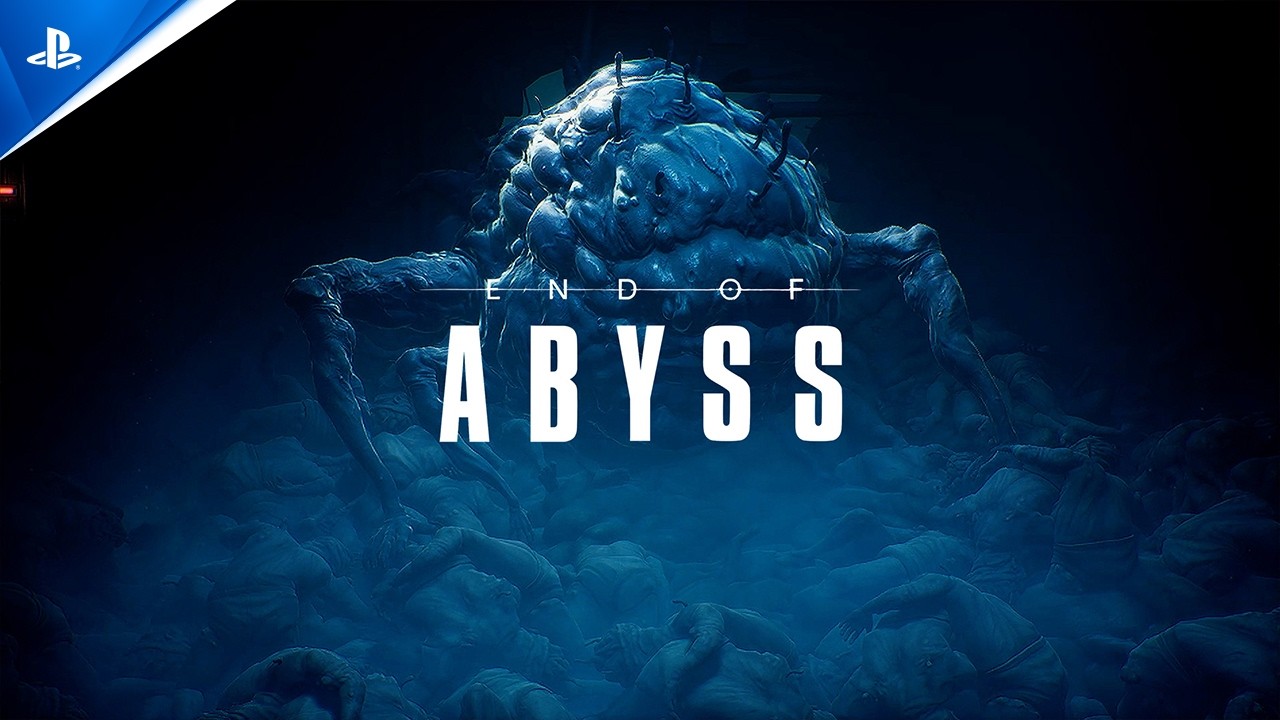
End of Abyss is at its best when its oppressive facility, exceptional sound work, and interconnected exploration pull you deeper into the unknown. The scanner-driven discovery loop, striking art direction, and tense twin-stick combat give this debut a distinct identity, and optional upgrades and hidden routes reward patient curiosity. The tradeoff is consistency: numerous sources encountered map errors, collision bugs, softlocks, or crashes, while backtracking, unclear progression, and an overpowered infinite-ammo pistol can weaken both pacing and survival-horror tension. Boss and difficulty impressions also vary sharply. For players who enjoy demanding, hands-off Metroidvania exploration, the atmosphere can outweigh the friction; those sensitive to navigation problems or technical roughness may find the same labyrinth exhausting.
Compared with other Video Games, this product is above average in marketing accuracy, camera behavior, HUD clarity, near average in fun factor, exploration quality, below average in fast travel convenience, polish, grind level.
| Attribute | This product | Category average | Difference |
|---|---|---|---|
| fast travel convenience | 1.3 | 3.9 | -2.5 |
| marketing accuracy | 5.0 | 2.7 | +2.3 |
| polish | 1.6 | 3.5 | -2.0 |
| camera behavior | 5.0 | 2.9 | +2.1 |
| grind level | 1.0 | 3.0 | -2.0 |
| HUD clarity | 5.0 | 3.1 | +1.9 |
| AI behavior | 4.5 | 2.7 | +1.8 |
| movement feel | 2.0 | 3.8 | -1.8 |
Choose SPRAWL zero. It scores 4.9 vs 4.0 for combat system, with a 4.0 overall score.
Choose Saros. It scores 4.9 vs 4.1 for fun factor, with a 4.3 overall score.
Choose Onimusha: Way of the Sword. It scores 5.0 vs 1.5 for bug frequency, with a 4.1 overall score.
Choose Crimson Desert. It scores 5.0 vs 4.1 for level design, with a 3.5 overall score.
Products reviewers directly compared with this model, grouped into quick takeaways.
Its strongest horror comes from atmosphere, darkness, sound, grotesque enemies, and the unease of entering unknown rooms. Several sources say the fear fades later as enemy placements repeat and upgrades make encounters more predictable.
The facility is interconnected and heavily rewards scanning doors and objects, finding keys and tools, then returning to previously blocked routes. That discovery loop can be excellent, but map errors and subtle progression cues can also cause long stretches of backtracking.
Combat is generally challenging and dodge-focused, with no difficulty levels mentioned in the supplied coverage. The curve is uneven: some early bosses are unusually punishing, while later upgrades can make other fights much easier.
A straightforward run commonly lands around 10-13 hours, while heavier exploration or navigation trouble can push playtime into the 15-18 hour range. Optional areas, upgrades, bosses, and alternate-ending content can extend it further.
Many prerelease playthroughs report map-state bugs, collision problems, softlocks, broken interactions, and occasional crashes, though a few sources report smooth or issue-free sessions. Technical reliability is therefore inconsistent across the supplied coverage.
The starting pistol has effectively unlimited rechargeable ammo, while stronger weapons use crafted ammunition and upgrades. Several sources feel the pistol becomes too efficient, reducing both weapon variety and survival-horror resource tension.
These are a few of the reviews included in our analysis.
An unrivaled atmosphere isn't enough to make this metroidvania worth the ride.
I liked much of my time with Section 9's horror-themed debut, but definitely not all of it.
Our End of Abyss review explores its striking atmosphere, twin-stick combat, and frustrating bugs that undermine the survival horror experience.
Rewarding exploration and challenging combat await in this atmospheric adventure
End of Abyss impressed us with its sprawling environment with rewards around every corner but felt ourselves getting too powerful early on...

Best for fluid traversal, rewarding exploration, striking art, and forgiving quality-of-life features. Skip it if you want deep combat, radical genre innovation, or consistently demanding bosses.
Pros: difficulty balance, boss design
Cons: innovation, sandbox freedom

Good if you want fast, tactical roguelite combat with huge progression depth, striking art, and standout music. Skip it if repetition, resource micromanagement, or a less emotionally satisfying sequel story...
Pros: combat system, progression system
Cons: originality

Good if you want a beautiful, demanding survival sandbox built around exploration, building, progression, and memorable co-op. Skip it if long resource runs, harsh death recovery, and deliberate pacing sound...
Pros: town-building system, exploration quality
Cons: grind level, fast travel convenience

Best for joyful destruction, dense exploration, and a charming DK-Pauline adventure. Skip it if camera quirks, frame-rate dips, easy bosses, or premium Switch 2 pricing are dealbreakers.
Pros: fun factor, world interactivity
Cons: frame rate stability, boss design