If you want better monetization fairness
Choose Borderlands 4. It scores 5.0 vs 2.8 for monetization fairness, with a 3.6 overall score.

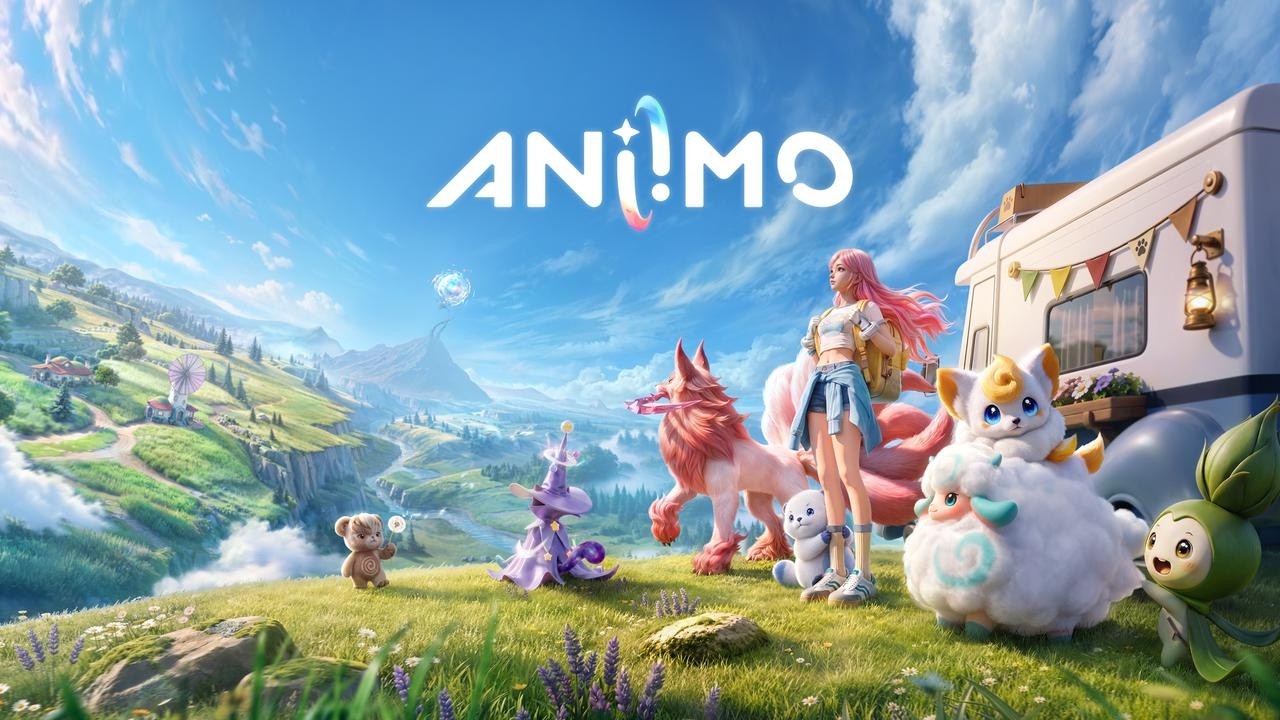
Choose Aniimo for inventive Twining, beautiful exploration, deep creature collecting, and a generous free entry point. Skip it if cluttered menus, lighter combat, grind, or paid progression concerns undermine the appeal.
Best for creature-collector fans who value exploration, expressive customization, rare-form hunting, and using creatures as traversal and puzzle tools—not only battle units.
Less suitable for players who want consistently deep combat, streamlined menus, frictionless story co-op, or zero uncertainty around live-service monetization.
Aniimo’s strongest idea is Twining: catching a creature can unlock a new way to move, solve puzzles, explore, or fight, so the collection rarely feels like a static checklist. Idyll backs that up with colorful biomes, lively creature behavior, strong art direction, and enough side systems—from the RV Homeland to events and multiplayer—to support long sessions. The tradeoff is complexity. Menus and currencies can become exhausting, early combat is often lighter than hardcore players may want, and co-op story restrictions blunt the MMO promise. Monetization is the biggest caveat: beta builds drew sharp criticism for paid progression advantages, though later pre-launch changes removed or reworked several of the most contentious systems. The result is a charming, ambitious creature collector with a distinctive core and some live-service baggage.
Compared with other Video Games, this product is above average in crash stability, AI behavior, age appropriateness, near average in fun factor, monetization fairness, below average in competitive balance, sound design, protagonist appeal.
| Attribute | This product | Category average | Difference |
|---|---|---|---|
| competitive balance | 1.0 | 3.3 | -2.3 |
| sound design | 2.0 | 4.2 | -2.2 |
| crash stability | 5.0 | 3.1 | +1.9 |
| AI behavior | 4.5 | 2.8 | +1.7 |
| age appropriateness | 5.0 | 3.2 | +1.8 |
| protagonist appeal | 2.0 | 3.7 | -1.7 |
| HUD clarity | 1.5 | 3.2 | -1.7 |
| side character depth | 2.0 | 3.6 | -1.6 |
Choose Borderlands 4. It scores 5.0 vs 2.8 for monetization fairness, with a 3.6 overall score.
Choose Diablo IV. It scores 5.0 vs 2.0 for sound design, with a 4.1 overall score.
Choose Fantasy Life i: The Girl Who Steals Time. It scores 5.0 vs 2.3 for microtransaction impact, with a 4.0 overall score.
Choose Street Fighter 6. It scores 4.9 vs 3.5 for combat system, with a 4.2 overall score.
Products reviewers directly compared with this model, grouped into quick takeaways.
Twining is the clearest differentiator: collected creatures can become direct-play forms for traversal, puzzles, exploration, and combat, so new catches often change how the world can be approached.
No. Several reviewers found exploration, creature collecting, puzzles, and world interaction more distinctive than the combat, which can feel light early on even though team building adds depth later.
Its cozy tone, forgiving difficulty, Homeland activities, and flexible exploration suit relaxed play well. The main barrier is complexity, because the number of menus, currencies, tutorials, and systems can feel overwhelming.
Exploration, bosses, social spaces, and other group activities add useful multiplayer options, but reviewers criticized the inability to carry story progress through co-op smoothly.
The free entry point is praised, but monetization is the most disputed area. Some beta builds sold meaningful progression shortcuts, while later pre-launch changes removed or reworked several heavily criticized systems.
The most repeated complaints are cluttered menus, information overload, lighter combat depth, progression grind, and uncertainty around live-service monetization. Beta sources also reported bugs and performance roughness.
These are a few of the reviews included in our analysis.




Aniimo has launched on September 16 for PC, Playstation 5 and Xbox Series X|S, with the mobile version coming on September 23.
Story and Gameplay Aniimo has narrative and story. I don’t remember much of it but it’s there. It is charming though and extremely polished...
Aniimo is a relaxing take on creature collectors where battling is simplified, but there's so much to do around the world.
A review of the MMORPG creature collector game Aniimo.
Aniimo is Pawprint Studio's free-to-play creature capture game, but is it worth putting down Pokémon to play?
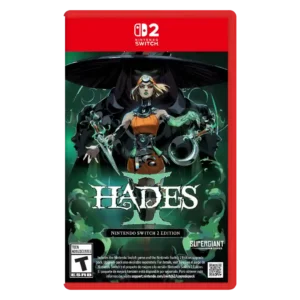
Good if you want fast, tactical roguelite combat with huge progression depth, striking art, and standout music. Skip it if repetition, resource micromanagement, or a less emotionally satisfying sequel story...
Pros: skill tree depth, dialogue quality
Cons: emotional impact, economy and resource balance
Good if you want a beautiful, demanding survival sandbox built around exploration, building, progression, and memorable co-op. Skip it if long resource runs, harsh death recovery, and deliberate pacing sound...
Pros: core gameplay loop, movement feel
Cons: economy and resource balance, map and navigation design
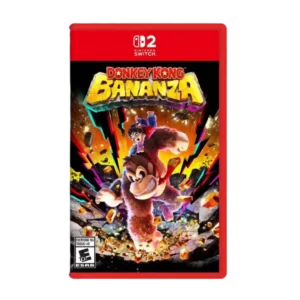
Best for joyful destruction, dense exploration, and a charming DK-Pauline adventure. Skip it if camera quirks, frame-rate dips, easy bosses, or premium Switch 2 pricing are dealbreakers.
Pros: gameplay mechanics, world interactivity
Cons: economy and resource balance, enemy variety
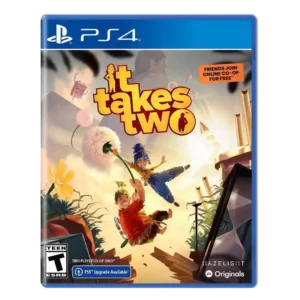
Best for joyful, inventive co-op with a partner, especially on couch. Skip it if divorce themes, uneven story tone, or Switch visual compromises would distract you.
Pros: core gameplay loop, movement feel
Cons: character development, dialogue quality