#1
Even skeptical critics repeatedly call the game singular. Its collision of character-action combat, non-Euclidean Manhattan, paranormal comedy, and art-house spectacle gives it an identity few other open-world games resemble.
Pros: combat system, narrative quality
Cons: boss design, map and navigation design
#2
The anti-hero revenge structure and morally gray party help Berseria stand apart from the brighter, more traditional hero stories associated with the series.
Pros: narrative quality, combat system
Cons: remake/remaster quality, value for money
#3
As the first Mystery Dungeon, the underlying design is widely regarded as historically influential and foundational even when the 2026 experience feels simple by modern standards.
Pros: graphics quality, core gameplay loop
Cons: difficulty balance, remake/remaster quality
#4
Even in a crowded survival genre, Valheim is described as singular because its Norse identity and sense of adventure feel difficult to replicate.
Pros: town-building system, exploration quality
Cons: grind level, fast travel convenience
#5
A bespoke fictional city built around public transport gives the game more personality than another one-to-one recreation of a real location.
Pros: open-world design, fun factor
Cons: AI behavior, polish
#6
Even when its fantasy influences are recognizable, reviewers praise the game for transforming them into a distinctive dark-fantasy identity of its own.
Pros: performance optimization, frame rate stability
Cons: controller ergonomics, platform-specific feature support
#7
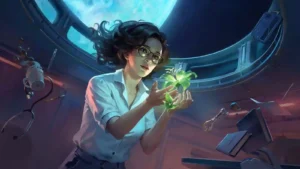
Randomized codes give each playthrough its own answers, an uncommon choice for a puzzle game.
Pros: puzzle design, user interface design
Cons: core gameplay loop, narrative quality
#8
Even today, SiN’s mix of reactive levels, interactive environments, and unusual mechanics helps it stand out from more straightforward shooters.
Pros: remake/remaster quality, overall quality
Cons: level design, map and navigation design
#9
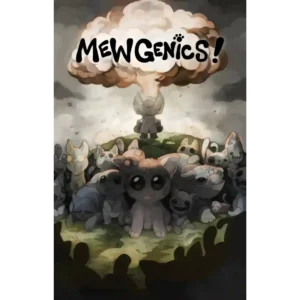
Reviewers repeatedly treat the game as a singular mix of tactical RPG, roguelite, pet management, genetic experimentation, and gross comedy. Familiar influences are visible, but the resulting structure feels unusually...
Pros: combat system, soundtrack quality
Cons: difficulty balance, learning curve
#10
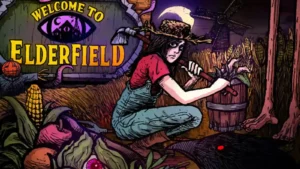
The farming-horror combination feels genuinely distinctive rather than like a familiar sim with spooky decoration. The world, tone, and combat structure repeatedly stand out in a crowded genre.
Pros: combat system, difficulty balance
Cons: progression system, bug frequency
#11
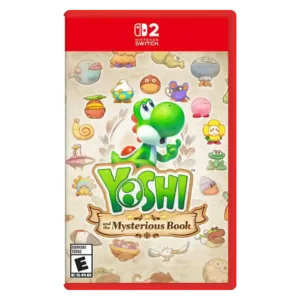
The creature-research concept gives the game a distinctive identity within both the Yoshi series and 2D platformers. Its unusual mix of sandbox play, puzzles, and observation feels genuinely fresh.
Pros: art direction, exploration quality
Cons: difficulty balance, core gameplay loop
#12
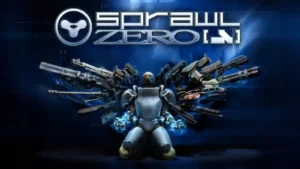
The game wears its Halo, F.E.A.R., Half-Life 2, and Y2K influences openly, yet the disposable-weapon combat and cohesive presentation give it a clear identity of its own.
Pros: fun factor, core gameplay loop
Cons: difficulty balance, narrative quality
#13
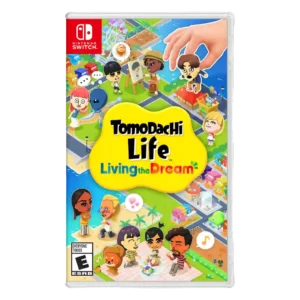
Reviewers repeatedly describe the experience as unusually distinctive, hard to compare, and powered by a kind of play few games offer.
Pros: character customization, fun factor
Cons: content variety, gameplay mechanics
#14
Originality is the strongest consensus point. Even harsh critics acknowledge that the game is bold, strange, handmade-feeling, and unlike the safer action games surrounding it.
Pros: fun factor, originality
Cons: combat system, narrative quality
#15
Few sources dispute the game's distinctiveness. Its blend of visual novel, mystery structure, and timing-focused dual-character combat feels unlike most contemporary RPGs.
Pros: combat system, originality
Cons: overall quality, narrative quality
#16
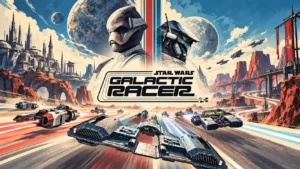
Mixing arcade racing with branching runs and build decisions gives the game a distinct identity. Enthusiastic accounts value it as more than a revival of familiar racing formulas.
Pros: fun factor, overall quality
Cons: difficulty balance, pacing
#17
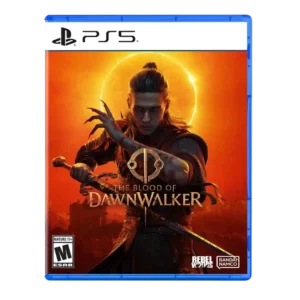
The narrative sandbox, time-as-resource structure, and human-by-day/vampire-by-night identity give the game a fresh hook. Familiar Witcher-like DNA remains visible, but the combined systems create a distinct role-playing structure.
Pros: combat system, fun factor
Cons: content variety, polish
#18
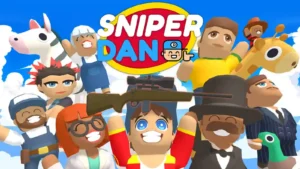
Reviewers consistently praise the unusual idea of solving hidden-object problems with a non-lethal sniper rifle, even when the underlying structure is familiar.
Pros: fun factor, art direction
Cons: difficulty balance, hint system
#19
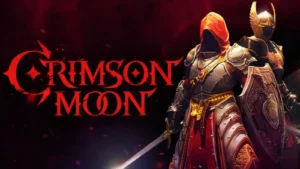
The genre mix gives the game a distinct identity, and several players see it as more than just another Soulslike despite familiar influences.
Pros: value for money, combat system
Cons: camera behavior, content variety
#20
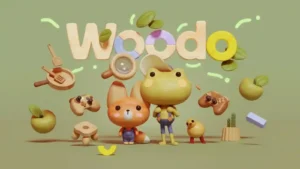
Its coloring-book feel and wooden model presentation distinguish it from many other cozy puzzles.
Pros: art direction, narrative quality
Cons: difficulty balance, replay value
#21
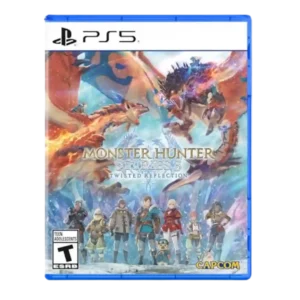
The game stands out by combining Monster Hunter's ecosystem and gear identity with creature collecting and turn-based strategy, even if some individual ideas remain familiar.
Pros: combat system, narrative quality
Cons: difficulty balance, grind level
#22
The influences are obvious, but most players feel the game develops its own identity through its look, town, and genre combination. The underlying adventure formula remains familiar.
Pros: overall quality, atmosphere
Cons: boss design, movement feel
#23
Despite obvious inspirations, the combination of top-down sci-fi horror, Metroidvania exploration, and twin-stick combat develops a distinct identity that several sources feel stands out.
Pros: atmosphere, exploration quality
Cons: map and navigation design, bug frequency
#24
Even reviewers who compare Cairn with other climbing games repeatedly stress that its realistic, survival-driven approach feels distinct and difficult to substitute.
Pros: narrative quality, emotional impact
Cons: difficulty balance, gameplay mechanics
#25
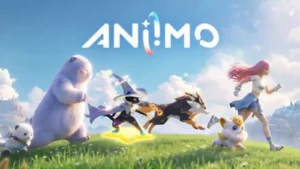
Aniimo clearly borrows from familiar creature collectors and open-world RPGs, but Twining and its broader creature utility give it enough identity to avoid feeling like a simple clone.
Pros: fun factor, gameplay mechanics
Cons: monetization fairness, menu usability
#26
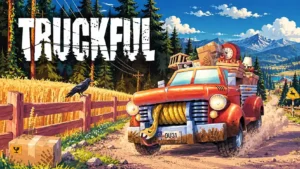
Mixing cozy delivery work, inventory puzzles, and supernatural danger gives the game a distinctive identity that reviewers repeatedly appreciate.
Pros: core gameplay loop, overall quality
Cons: map and navigation design, driving mechanics
#27
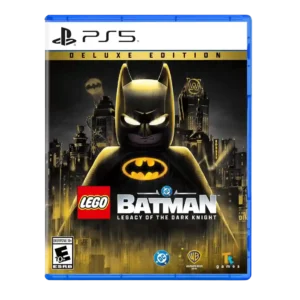
Originality is praised through the original story and the sense that the game feels distinct despite clear inspirations.
Pros: combat system, exploration quality
#28
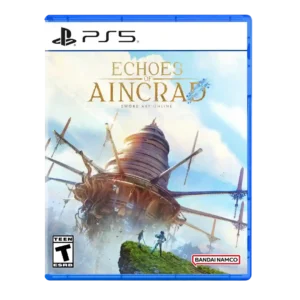
Originality was praised because the game offers a fresh, welcome angle on the SAO setting.
Pros: combat system, companion AI
Cons: open-world design, movement feel
#29
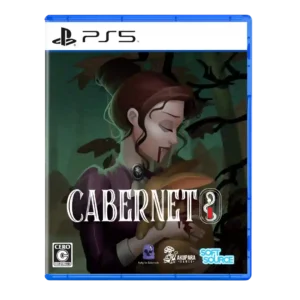
Originality was praised through the game’s unusual vampire-life premise, unique narrative RPG flavor, and distinctive approach to the visual novel genre.
Pros: narrative quality, voice acting
Cons: bug frequency, menu usability
#30
Putting restaurant work and domestic ambition inside a cyberpunk metropolis feels refreshing. Familiar life-sim activities gain a distinct identity from their urban context.
Pros: overall quality, shopkeeping system
Cons: performance optimization, pacing
#31
Several players find the fusion of puzzle systems unlike anything they have played. One first impression argues that familiar freeware foundations and newer genre rivals weaken its novelty.
Pros: overall quality, puzzle design
Cons: narrative quality, difficulty balance
#32
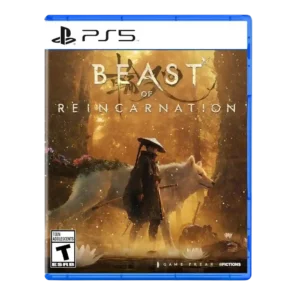
The story uses familiar post-apocalyptic and corruption ideas, but the companion combat and player-created traversal give the game a recognizable identity. Its originality is strongest in mechanics rather than premise.
Pros: combat system, companion AI
#33
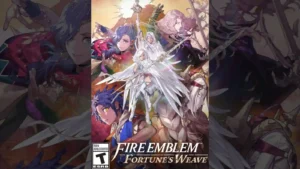
Reviewers respond very positively to the originality, describing it as a notable strength of the overall experience.
Pros: narrative quality, fun factor
Cons: grind level, learning curve
#34
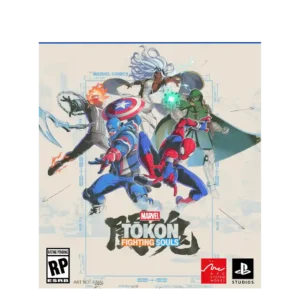
Originality is supported by the unusual manga-Western look and a tag system that reviewers say works differently from traditional tag fighters.
Pros: fun factor, character roster
Cons: tutorial quality, competitive balance
#35
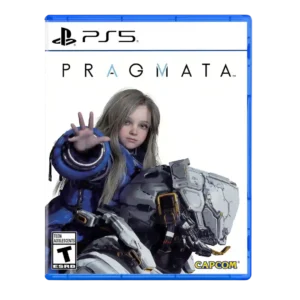
Originality is praised because Pragmata feels like a fresh new IP with a distinctive puzzle-shooter identity.
Pros: combat system, emotional impact
Cons: map and navigation design, platforming precision
#36
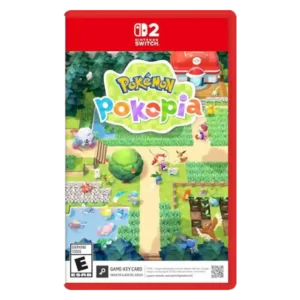
Originality evidence was positive, with one reviewer stressing that it was not simply Animal Crossing and felt more interesting.
Pros: core gameplay loop, content variety
Cons: pacing, menu usability
#37
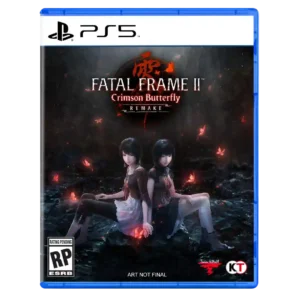
Photography-based exorcism still gives Fatal Frame a distinctive identity that stands apart from gun-focused survival horror.
Pros: remake/remaster quality, horror tension
Cons: combat system, frame rate stability
#38
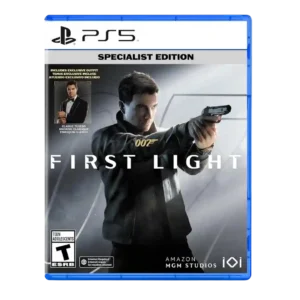
Originality is praised because reviewers see First Light as its own identity rather than a reskinned Hitman or nostalgia-only Bond game.
Pros: stealth mechanics, combat system
Cons: pacing
#39
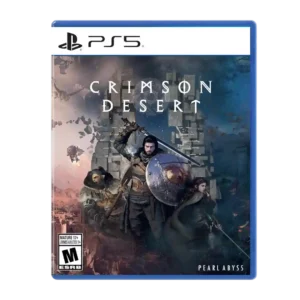
Reviewer evidence is positive: originality was generally praised, though some notes were more qualified across 2 review(s).
Pros: combat system, graphics quality
Cons: controls responsiveness, narrative quality
#40
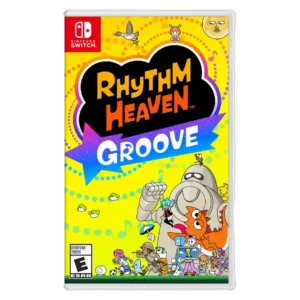
Originality is praised through creative scenarios and inventive mini-game concepts, even as reviewers note the sequel is not radically changing the formula.
Pros: fun factor, difficulty balance
Cons: value for money
#41
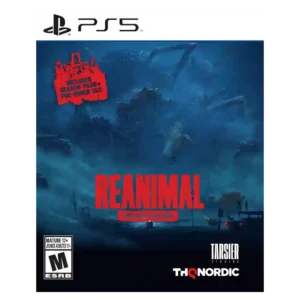
Originality is praised when Reanimal sidesteps clichés and establishes its own identity despite obvious Little Nightmares lineage.
Pros: narrative quality, atmosphere
Cons: puzzle design, fun factor
#42
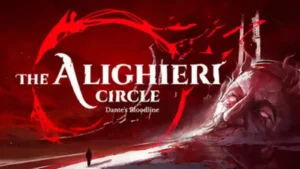
The psychological reinterpretation of Dante and the visual concept of the Dive give the game a distinctive identity. That ambition is clear, though one account feels the surrounding walking-sim structure...
Pros: puzzle design, atmosphere
Cons: narrative quality, difficulty balance
#43
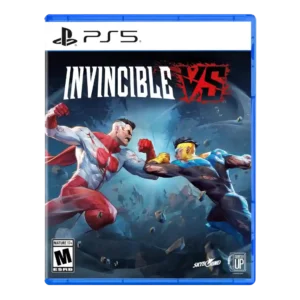
Originality was praised through unique mechanics, an original story mode, and visuals that stand apart from other 2D hero fighters.
Pros: fun factor, combat system
Cons: learning curve, competitive balance
#44
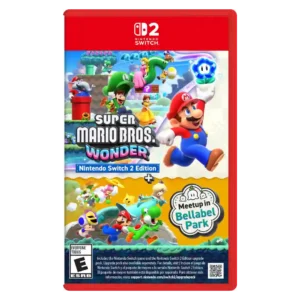
Wonder’s base campaign remains one of the most original modern 2D platformers, packed with surprising transformations and level ideas. The expansion is less consistent, often remixing existing environments even when...
Pros: fun factor, multiplayer design
Cons: matchmaking quality, map and navigation design
#45
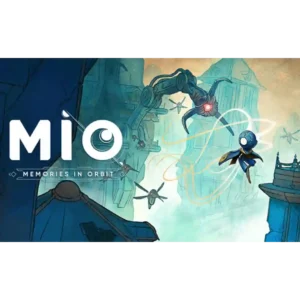
MIO openly uses familiar Metroidvania ideas, but its visual identity, movement systems, world, and thematic presentation give it a personality of its own. It rarely reinvents the genre mechanically, yet...
Pros: movement feel, originality
Cons: difficulty balance, combat system
#46
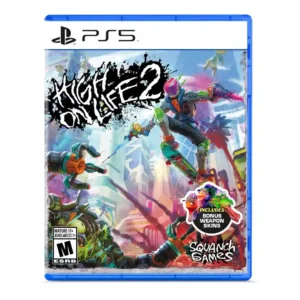
High-concept missions and fourth-wall experiments give the sequel a distinctive identity. Some critics still see too much recycled structure from the first game.
Pros: writing quality, fun factor
Cons: bug frequency, combat system
#47
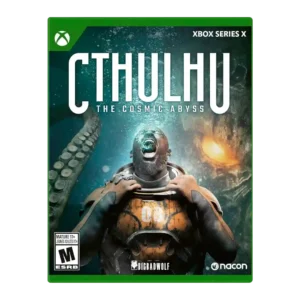
Originality was usually praised for the future setting and fresh investigation ideas, but one negative review called the overall result wasted potential.
Pros: puzzle design, atmosphere
Cons: horror tension, crash stability
#48
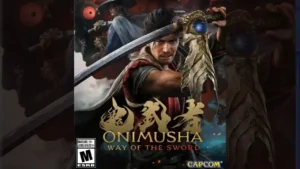
The best reviews argue that the swordplay has a rhythm and identity of its own despite borrowing from modern action games. More critical voices feel the broader structure follows too...
Pros: combat system, fun factor
Cons: pacing, open-world design
#49
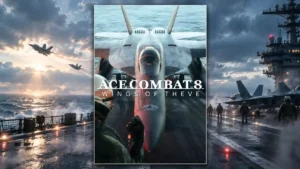
The game feels familiar at its mechanical core, yet its eccentric ghost-pilot premise and heightened melodrama give the campaign a distinct personality.
Pros: narrative quality, fun factor
Cons: dialogue quality, difficulty balance
#50
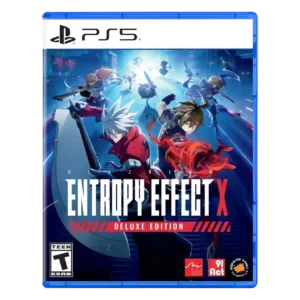
Originality is positive but not revolutionary, with reviewers liking the fighter-roguelike blend while noting it does not redefine the genre.
Pros: combat system, character roster
Cons: narrative quality, learning curve
