If you want better polish
Choose Silver Pines. It scores 5.0 vs 2.2 for polish, with a 4.2 overall score.

Grotesque mutant violence includes severed body parts, corpse eating, blood-covered spaces, and frightening body transformations. Strong language and sexual robot references add mature material despite the playful retro presentation.
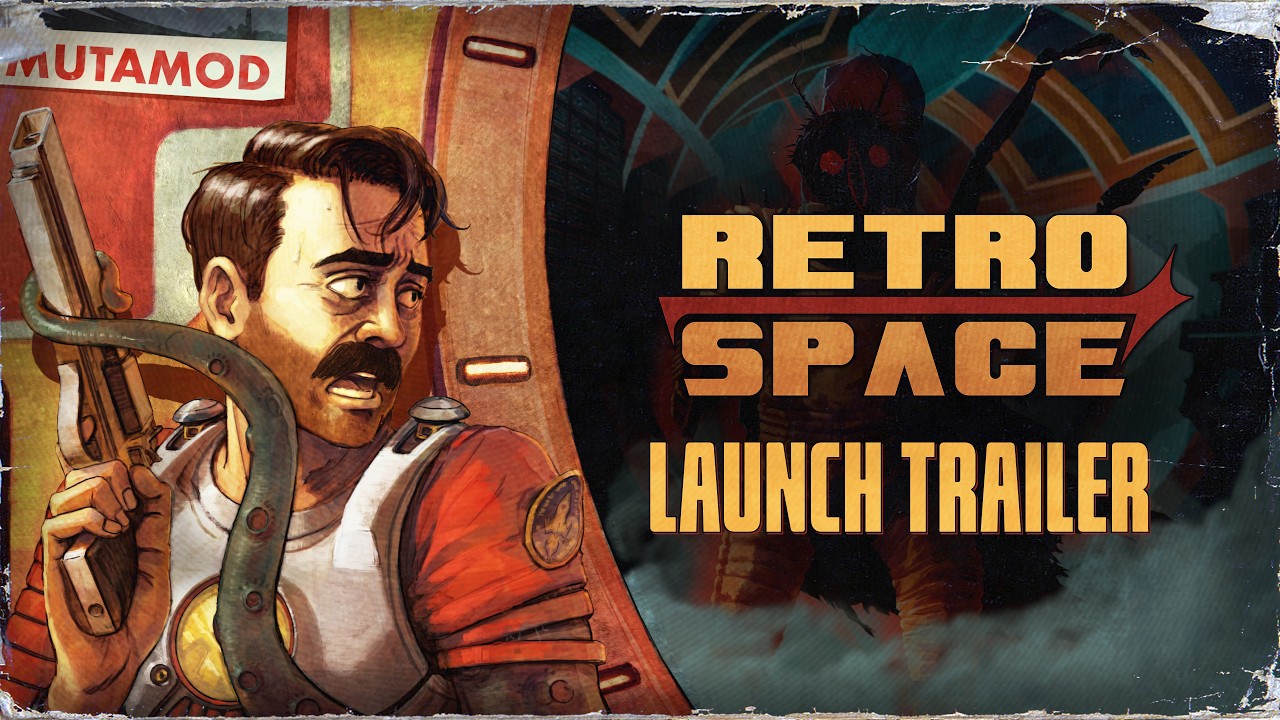
Choose RetroSpace for rewarding station exploration, inventive tools, and disco-punk horror. Skip if you need precise stealth, polished controller menus, or dependable performance without tolerating technical roughness.
Patient immersive-sim fans who enjoy finding hidden routes, interpreting clues, and experimenting with environmental tools. The disco-punk setting and horror-comedy mix particularly suit players who welcome camp.
Players seeking clear waypoints, precise stealth, or consistently smooth combat and controller interfaces. Handheld-focused players and those intolerant of bugs have additional reasons for caution.
RetroSpace is most compelling when you stop chasing objectives and start investigating Aurora 5. Hidden passages, layered environmental storytelling, animal mutations, and hackable security reward patient experimentation, while colorful retrofuturism and an often excellent soundtrack give the station its own personality. The tradeoff is substantial friction: ladders can cause punishing falls, maps and menus are frequently awkward, and stealth feedback is inconsistent. Combat ranges from satisfying to clunky, and technical experiences vary from clean playthroughs to serious progression-blocking bugs. Its campy humor also divides opinion. For experienced immersive-sim fans willing to tolerate those flaws, the roughly $20 adventure offers strong value and a memorable place to explore; newcomers expecting clear directions or refined shooting face a less dependable recommendation.
Compared with other Video Games, this product is above average in generative AI concerns, grind level, level design, near average in world interactivity, sandbox freedom, below average in frame rate stability, controls responsiveness, handheld play suitability.
| Attribute | This product | Category average | Difference |
|---|---|---|---|
| generative AI concerns | 4.0 | 1.3 | +2.7 |
| frame rate stability | 1.6 | 3.7 | -2.2 |
| controls responsiveness | 1.8 | 3.8 | -2.0 |
| handheld play suitability | 2.0 | 3.9 | -1.9 |
| platforming precision | 1.6 | 3.2 | -1.6 |
| movement feel | 2.2 | 3.8 | -1.6 |
| polish | 2.2 | 3.5 | -1.4 |
| grind level | 4.5 | 2.9 | +1.6 |
Choose Silver Pines. It scores 5.0 vs 2.2 for polish, with a 4.2 overall score.
Choose Atomfall. It scores 5.0 vs 1.6 for frame rate stability, with a 3.6 overall score.
Choose Onimusha: Way of the Sword. It scores 4.8 vs 2.0 for handheld play suitability, with a 4.1 overall score.
Choose CONTROL Resonant. It scores 5.0 vs 1.8 for controls responsiveness, with a 4.0 overall score.
Products reviewers directly compared with this model, grouped into quick takeaways.
Exploring Aurora 5: vents, hidden switches, passwords, and shortcuts make curiosity rewarding. Environmental clues and logs gradually reveal the station’s history.
Several accounts describe routes, distractions, traps, and hacked systems that let you bypass enemies, with one explicitly reporting a tested no-kill possibility. Detection can still feel imprecise.
Completed or estimated journeys commonly fall around 10–20 hours. Thorough searching can take longer, with one early-play account estimating 25–30 hours or more.
You can return as a clone while your previous body remains behind. Cloning defects can add penalties, and returning to your body can help remove them; consequences vary with difficulty and save settings.
The supplied PS5 experiences disagree: one reports good performance and no notable bugs, while another reports uneven frames and irritating defects. Steam Deck accounts repeatedly criticize unstable performance, and an Xbox account reports progression-blocking bugs.
It combines a dark station mystery with absurd characters, corporate satire, and slapstick. Many enjoy the balance, but some find the scripted humor undermines the story’s weight.
The roughly $20 price is widely praised for the amount of exploration and systemic play. Its value depends on your tolerance for navigation, interface, and technical roughness.
These are a few of the reviews included in our analysis.





RetroSpace is a rough but rewarding immersive sim with clever exploration, environmental systems, and a memorable setting. Its clunky UI...
Our retrospace review roundup gathers critic scores, Steam ratings, and player feedback for the disco-punk immersive sim that launched on...
RetroSpace is the latest release by The Wild Gentlemen and a welcome addition to the Immersive Sim genre for fans.
RetroSpace puts humanity’s survival in the hands of a janitor, giving its System Shock-style adventure a blue-collar twist. Its environmental...

Best for fluid traversal, rewarding exploration, striking art, and forgiving quality-of-life features. Skip it if you want deep combat, radical genre innovation, or consistently demanding bosses.
Pros: difficulty balance, boss design
Cons: innovation, sandbox freedom

Good if you want fast, tactical roguelite combat with huge progression depth, striking art, and standout music. Skip it if repetition, resource micromanagement, or a less emotionally satisfying sequel story...
Pros: combat system, progression system
Cons: originality

Good if you want a beautiful, demanding survival sandbox built around exploration, building, progression, and memorable co-op. Skip it if long resource runs, harsh death recovery, and deliberate pacing sound...
Pros: town-building system, exploration quality
Cons: grind level, fast travel convenience

Best for joyful destruction, dense exploration, and a charming DK-Pauline adventure. Skip it if camera quirks, frame-rate dips, easy bosses, or premium Switch 2 pricing are dealbreakers.
Pros: fun factor, world interactivity
Cons: frame rate stability, boss design