If you want better controls responsiveness
Choose Pragmata. It scores 4.8 vs 3.7 for controls responsiveness, with a 4.3 overall score.

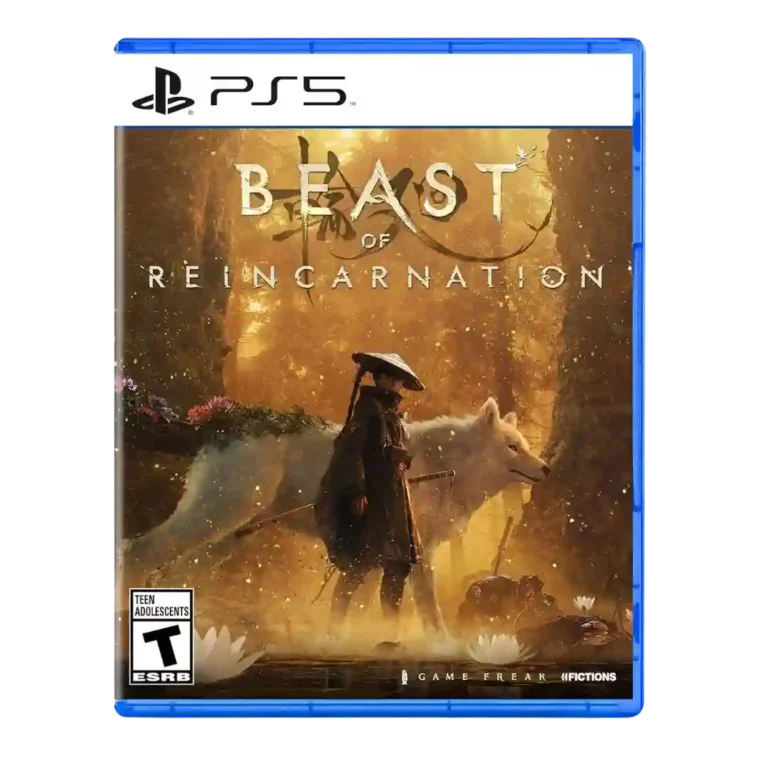
Choose it for expressive parry-driven combat, flexible difficulty, and inventive vine traversal. Skip it if unclear tutorials, targeting issues, or a familiar post-apocalyptic story would undermine the experience.
Best for action-RPG players who enjoy parries, build experimentation, companion tactics, and exploring vertical open zones with a strong visual identity.
Less suitable for players who dislike timing-based defense, expect comprehensive tutorials, or want a fully open world and immediately original story premise.
Beast of Reincarnation’s opening hours make a persuasive case for its combat. Emma’s responsive swordplay and Koo’s slow-motion Bloom Arts create a tactical rhythm that feels more expressive than a conventional Soulslike, while vine-powered traversal gives the open zones unusual vertical freedom. The ruined Japan setting is visually striking, bosses feel imposing, and flexible difficulty plus short runbacks keep the challenge from becoming needlessly punitive. The main reservation is onboarding: important mechanics, targeting cues, and even basic actions are explained too lightly, which can make the early learning curve feel harsher than the combat itself. Story reactions are also less consistent, balancing an affecting Emma-and-Koo bond against a familiar corruption premise. These are preview impressions rather than a full-game verdict, but the foundation looks unusually strong.
Compared with other Video Games, this product is above average in companion AI, pacing, checkpoint system, near average in art direction, graphics quality, below average in onboarding experience, tutorial quality, aiming precision.
| Attribute | This product | Category average | Difference |
|---|---|---|---|
| onboarding experience | 1.8 | 3.6 | -1.8 |
| companion AI | 4.6 | 3.1 | +1.5 |
| pacing | 4.4 | 3.1 | +1.3 |
| tutorial quality | 2.1 | 3.3 | -1.2 |
| checkpoint system | 4.7 | 3.5 | +1.2 |
| aiming precision | 2.0 | 3.2 | -1.2 |
| HUD clarity | 2.0 | 3.1 | -1.1 |
| value for money | 4.8 | 3.8 | +1.0 |
Choose Pragmata. It scores 4.8 vs 3.7 for controls responsiveness, with a 4.3 overall score.
Choose Clair Obscur: Expedition 33. It scores 4.9 vs 1.8 for onboarding experience, with a 4.5 overall score.
Choose Hollow Knight: Silksong. It scores 5.0 vs 3.4 for writing quality, with a 4.3 overall score.
Choose Shinobi: Art of Vengeance. It scores 5.0 vs 2.2 for camera behavior, with a 4.4 overall score.
Products reviewers directly compared with this model, grouped into quick takeaways.
It borrows parries, posture-style gauges, rest sites, and punishing bosses, but Koo’s slow-motion commands, flexible movement, adjustable difficulty, and forgiving checkpoints make it less rigid than a traditional Soulslike.
Bosses can hit hard and parrying is central, but the timing window is relatively generous, difficulty can be changed at any time, and deaths have short runbacks with no major loss.
No. It uses large, explorable stages with secrets, optional routes, side activities, and vertical traversal rather than one continuous open world.
The opening teaches important mechanics poorly. Missing targeting guidance, late tutorials, and unclear combat meters can make the learning curve more frustrating than necessary.
Emma and Koo’s bond, the ruined Japan setting, and themes of humanity and emotion are intriguing. Some impressions also find the blight premise familiar and the presentation potentially melodramatic.
These are a few of the reviews included in our analysis.



After playing 90 minutes of Beast of Reincarnation, I am obsessed with dropping down on enemies from my own vines, eager to craft my build...
Watch the combat overview trailer for Beast of Reincarnation.
Out August 4th
Game Freak's action RPG is emphatically not a Pokémon game for widdle babies, but a combat-forward experience for tough customers
Beast of Reincarnation captures the rhythm of From Software's 2019 classic, minus the punishing difficulty.

Best for fluid traversal, rewarding exploration, striking art, and forgiving quality-of-life features. Skip it if you want deep combat, radical genre innovation, or consistently demanding bosses.
Pros: difficulty balance, boss design
Cons: innovation, sandbox freedom

Good if you want fast, tactical roguelite combat with huge progression depth, striking art, and standout music. Skip it if repetition, resource micromanagement, or a less emotionally satisfying sequel story...
Pros: combat system, progression system
Cons: originality

Good if you want a beautiful, demanding survival sandbox built around exploration, building, progression, and memorable co-op. Skip it if long resource runs, harsh death recovery, and deliberate pacing sound...
Pros: town-building system, exploration quality
Cons: grind level, fast travel convenience

Best for joyful destruction, dense exploration, and a charming DK-Pauline adventure. Skip it if camera quirks, frame-rate dips, easy bosses, or premium Switch 2 pricing are dealbreakers.
Pros: fun factor, world interactivity
Cons: frame rate stability, boss design