If you want better frame rate stability
Choose Ghost of Yōtei. It scores 5.0 vs 2.7 for frame rate stability, with a 4.4 overall score.

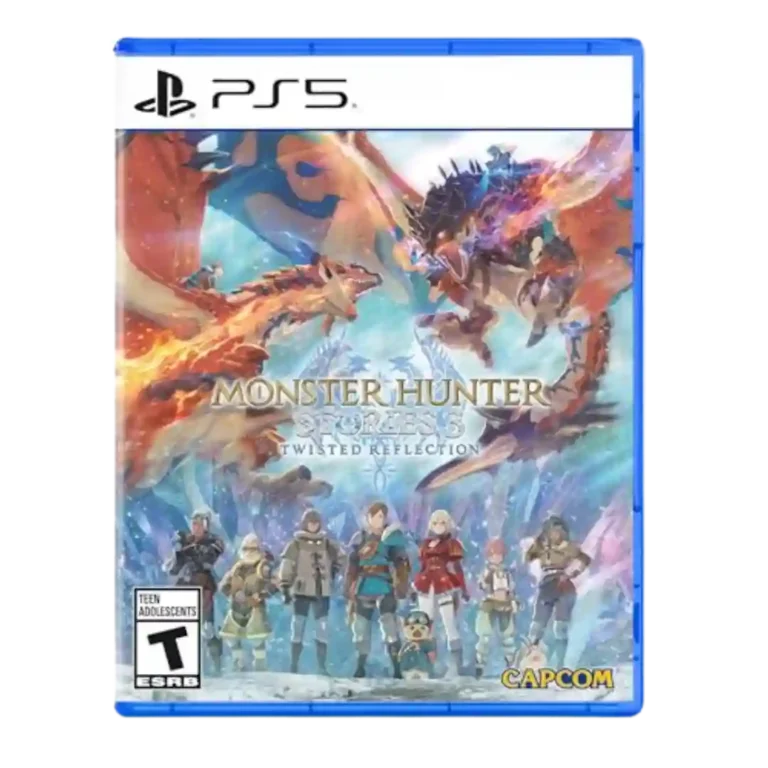
Choose it for deep tactical battles, rewarding exploration, flexible Monstie builds, and a more mature story. Skip it if slow combat, late-game grind, thin multiplayer/endgame, or uneven Switch 2 performance would wear you down.
Players who enjoy strategic turn-based battles, monster collecting, build experimentation, and exploration will get the most from it, especially Monster Hunter fans who want a more story-driven spin-off.
Skip it if you dislike layered battle systems, repetitive side tasks, or late-game leveling pressure, or if uneven Switch 2 performance is a major concern.
Monster Hunter Stories 3 earns broad praise for turning its many systems into a rewarding cycle of exploration, egg hunting, habitat restoration, crafting, and highly tactical battles. Its vibrant art, strong soundtrack, seamless Monstie traversal, and deep build customization are recurring highlights, and many players consider it the strongest Stories entry yet. The tradeoff is density: combat can feel slow or overwhelming, side quests are often basic, and several reviewers hit pacing or difficulty walls that encouraged extra grinding. The more mature story lands emotionally for many, but others find its middle chapters and supporting cast underdeveloped. Platform also matters, with PS5 and PC reports notably smoother than the uneven Switch 2 experience.
Compared with other Video Games, this product is above average in bug frequency, menu usability, loot system, near average in voice acting, difficulty balance, below average in multiplayer design, crash stability, mission variety.
| Attribute | This product | Category average | Difference |
|---|---|---|---|
| multiplayer design | 1.0 | 3.7 | -2.7 |
| crash stability | 1.0 | 3.1 | -2.1 |
| bug frequency | 5.0 | 2.9 | +2.1 |
| menu usability | 5.0 | 3.0 | +2.0 |
| loot system | 5.0 | 3.4 | +1.6 |
| family friendliness | 5.0 | 3.4 | +1.6 |
| polish | 5.0 | 3.5 | +1.5 |
| platform-specific feature support | 5.0 | 3.6 | +1.4 |
Choose Ghost of Yōtei. It scores 5.0 vs 2.7 for frame rate stability, with a 4.4 overall score.
Choose Hyrule Warriors: Age of Imprisonment. It scores 5.0 vs 1.0 for multiplayer design, with a 4.1 overall score.
Choose Donkey Kong Bananza. It scores 4.8 vs 2.0 for map and navigation design, with a 4.5 overall score.
Choose The Rogue Prince of Persia. It scores 5.0 vs 1.0 for crash stability, with a 4.0 overall score.
Products reviewers directly compared with this model, grouped into quick takeaways.
No. Multiple reviewers describe Twisted Reflection as a standalone adventure, and some specifically recommend it as a good starting point for newcomers.
It is turn-based and built around Power, Speed, and Technical matchups, then layers in weapon damage types, targeted monster parts, elemental weaknesses, Kinship attacks, and Wyvernsoul strategy.
It depends on how much side content you naturally do. Several players stayed appropriately leveled without dedicated grinding, while others hit late-game walls that required hours of quests, egg farming, or experience gains.
Yes. It is more mature and character-focused than earlier Stories entries, with political and environmental themes, though opinions split on its middle-act pacing and supporting cast.
The portable format suits the turn-based play, but Switch 2 performance drew recurring complaints about uneven frame rates, pop-in, and softer image quality compared with stronger PS5 and PC reports.
Multiplayer is effectively absent, which disappointed players familiar with earlier entries. Post-story play centers on optional high-level monsters, remaining side content, collecting, and build completion rather than a broad traditional endgame.
These are a few of the reviews included in our analysis.

Best for fluid traversal, rewarding exploration, striking art, and forgiving quality-of-life features. Skip it if you want deep combat, radical genre innovation, or consistently demanding bosses.
Pros: difficulty balance, boss design
Cons: innovation, sandbox freedom
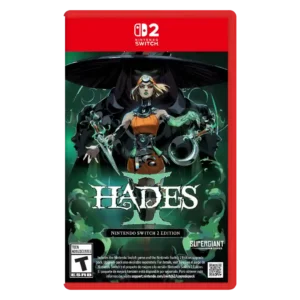
Good if you want fast, tactical roguelite combat with huge progression depth, striking art, and standout music. Skip it if repetition, resource micromanagement, or a less emotionally satisfying sequel story...
Pros: combat system, progression system
Cons: originality
Good if you want a beautiful, demanding survival sandbox built around exploration, building, progression, and memorable co-op. Skip it if long resource runs, harsh death recovery, and deliberate pacing sound...
Pros: town-building system, exploration quality
Cons: grind level, fast travel convenience
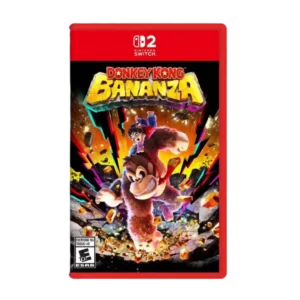
Best for joyful destruction, dense exploration, and a charming DK-Pauline adventure. Skip it if camera quirks, frame-rate dips, easy bosses, or premium Switch 2 pricing are dealbreakers.
Pros: fun factor, world interactivity
Cons: frame rate stability, boss design