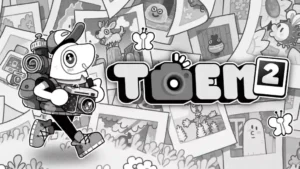
TOEM 2 excels as a calm, cozy escape built around whimsy, kindness, and unhurried wandering. Its low-stress tone consistently complements the photography-focused play.
Pros: game length, gameplay mechanics
Cons: innovation, difficulty balance

TOEM 2 excels as a calm, cozy escape built around whimsy, kindness, and unhurried wandering. Its low-stress tone consistently complements the photography-focused play.
Pros: game length, gameplay mechanics
Cons: innovation, difficulty balance
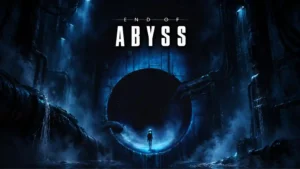
Atmosphere is the clearest consensus strength: the facility feels eerie, oppressive, isolated, and cinematic, with lighting and sound repeatedly making simple exploration feel ominous.
Pros: atmosphere, exploration quality
Cons: map and navigation design, bug frequency

The game consistently earns praise for blending melancholy, horror, whimsy, and humor into a cohesive dark-fairy-tale mood rather than relying on overt scares.
Pros: difficulty balance, boss design
Cons: innovation, sandbox freedom

Few areas earn more consistent praise than atmosphere: cozy homes, hostile storms, eerie biomes, dreamlike vistas, and shifting weather give Valheim a distinctive emotional texture.
Pros: town-building system, exploration quality
Cons: grind level, fast travel convenience
Cities, forests, tribal spaces, ambient audio, and dense environmental detail create a strong sense of place. The setting is often more compelling than the systems layered on top of it.
Pros: narrative quality, side character depth
Cons: combat system, polish

Atmosphere remains a standout, from tropical ocean stages to the casino and darker industrial spaces, with lighting and music helping sell each setting.
Pros: remake/remaster quality, overall quality
Cons: level design, map and navigation design
Skyrim’s cold, rugged setting, weather, audio, and sense of place create an unusually strong atmosphere. The world often feels compelling enough that players simply stop to look around or wander...
Pros: graphics quality, progression system
Cons: combat system, bug frequency

The low-stakes structure creates a relaxed, pleasant mood that several reviewers describe as ideal for unwinding at an easy pace.
Pros: fun factor, art direction
Cons: difficulty balance, hint system
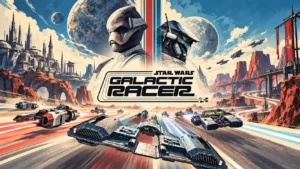
The lighter, slightly absurd racing tone feels right for this corner of Star Wars. Strong environments and music give the competition an appealing franchise atmosphere.
Pros: fun factor, overall quality
Cons: difficulty balance, pacing
Berseria’s darker, morally gray tone is a standout strength, giving the familiar Tales formula a more mature and emotionally charged identity.
Pros: narrative quality, combat system
Cons: remake/remaster quality, value for money
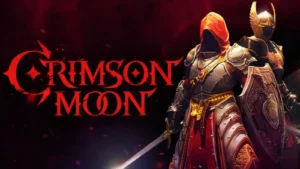
Gildenarch’s ruined castles, caverns, cathedrals, and angelic imagery create a dark, mythic atmosphere that gives the game a distinctive sense of place.
Pros: value for money, combat system
Cons: camera behavior, content variety
Felicia Bay has a strong sense of place, helped by dynamic weather, day-night changes, Mediterranean scenery, and a relaxed road-trip feel.
Pros: open-world design, fun factor
Cons: AI behavior, polish
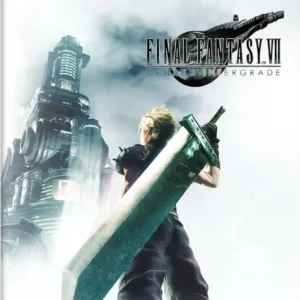
Midgar feels oppressive, beautiful, and alive, with lighting and environmental detail reinforcing its mood.
Pros: combat system, graphics quality
Cons: pacing, accessibility options

Atmosphere was strongly praised for thriller tension and a sustained sense of anxiety around the launch.
Pros: narrative quality, combat system
Cons: onboarding experience, pacing
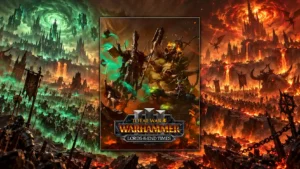
The apocalypse feels tangible once invasions begin and provinces are devastated. Persistent destruction gives late campaigns a much stronger sense of urgency and scale.
Pros: gameplay mechanics, fun factor
Cons: AI behavior, polish
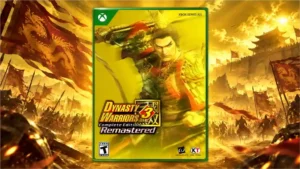
The campy, unserious old-school Musou vibe is a major part of the appeal for players who miss that era.
Pros: remake/remaster quality, graphics quality
Cons: difficulty balance, voice acting

The game carries a lively, whimsical energy in quieter character moments while battles bring much heavier spectacle and momentum.
Pros: combat system, narrative quality
Cons: difficulty balance, grind level

The colorful sci-fi/fantasy blend creates a sweeping, epic atmosphere that helps each region feel distinct.
Pros: core gameplay loop, difficulty balance
Cons: narrative quality, load times
Atmosphere was a major strength, with tense staging, lighting, audio, and Switch 2 presentation preserving the mood.
Pros: pacing, combat system
Cons: originality
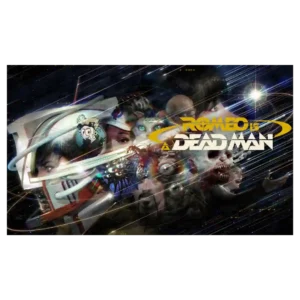
The game’s strongest locations can feel intensely distinct, from cozy pixel-art downtime aboard The Last Night to oppressive, grotesque horror spaces. Its tonal confidence is a major attraction.
Pros: fun factor, originality
Cons: combat system, narrative quality

Foreboding spaces, eerie audio, and the contrast between the villa and the Dive create a consistently strong mood. This is one of the game’s most dependable strengths, even when the...
Pros: puzzle design, atmosphere
Cons: narrative quality, difficulty balance

Reviewers consistently praise the mournful, oppressive, mysterious atmosphere. Even technical compromises rarely diminish the strong sense of place across the Lands Between and Realm of Shadow.
Pros: performance optimization, frame rate stability
Cons: controller ergonomics, platform-specific feature support

A rain-soaked, uncanny noir mood is the strongest common thread across reactions. Familiar small-town spaces become disquieting without losing their recognizable character.
Pros: overall quality, atmosphere
Cons: boss design, movement feel

A rain-soaked, neon-lit city full of everyday struggles is the game's clearest attraction. Its mixture of comfort and dystopian pressure gives it a distinctive mood.
Pros: overall quality, shopkeeping system
Cons: performance optimization, pacing
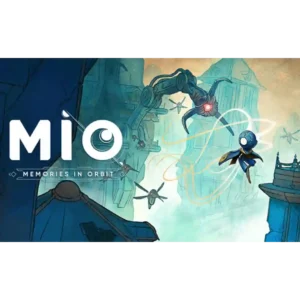
The Vessel balances melancholy, isolation, wonder, and occasional coziness exceptionally well. Visual scale and restrained music make abandoned districts feel haunting rather than empty.
Pros: movement feel, originality
Cons: difficulty balance, combat system

Haddonfield’s darkness, period details, music, and stalking imagery consistently recreate the oppressive mood of the 1978 film.
Pros: fun factor, multiplayer design
Cons: bug frequency, AI behavior
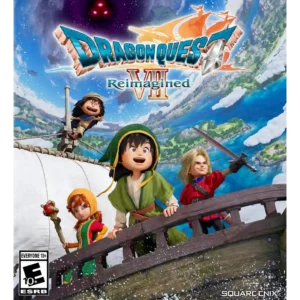
The remake preserves a cozy, storybook sense of adventure, with warmth and nostalgia carrying even its darker island stories.
Pros: combat system, accessibility options
Cons: pacing, difficulty balance

Atmosphere is praised through comments about immaculate vibes and personality beyond flashy attacks.
Pros: fun factor, character roster
Cons: tutorial quality, competitive balance

Atmosphere is the clearest consensus strength, blending cozy routine, melancholy, dark humor, and constant unease. Even a reviewer who disliked the oppressive mood acknowledged how deliberately and effectively it was...
Pros: combat system, difficulty balance
Cons: progression system, bug frequency
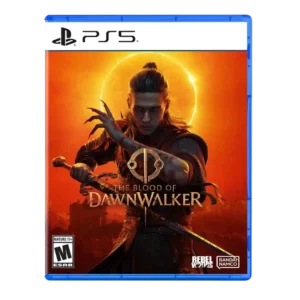
The game’s gothic medieval atmosphere is one of its clearest strengths, combining oppressive villages, vampire imagery, lighting, folklore, and music into a memorable sense of place.
Pros: combat system, fun factor
Cons: content variety, polish
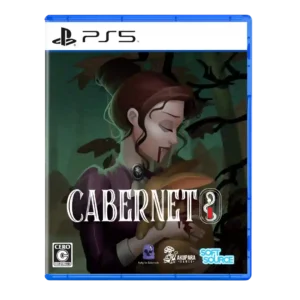
Atmosphere was consistently praised as gothic, eerie, haunting, and immersive, with reviewers frequently tying it to art, music, and setting.
Pros: narrative quality, voice acting
Cons: bug frequency, menu usability

Dynamic weather, day-night lighting, and the pleasure of watching a working network give the game an unusually cosy, living-world feel.
Pros: user interface design, gameplay mechanics
Cons: learning curve, tutorial quality
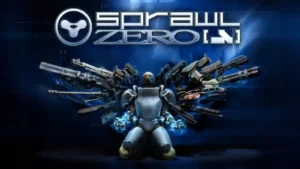
Industrial cityscapes, propaganda, fog, electronic music, and religious imagery create a strong early-2000s cyberpunk mood that quickly pulls players in.
Pros: fun factor, core gameplay loop
Cons: difficulty balance, narrative quality
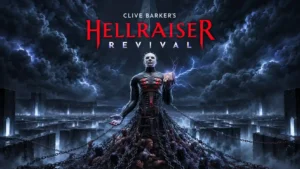
The Labyrinth sustains a dense, oppressive mood through disturbing imagery, threatening spaces, and a sense that safety never lasts. Atmosphere is one of the game’s most consistently praised qualities.
Pros: faithfulness to franchise, narrative quality
Cons: combat system, boss design
The overall mood landed warmly for reviewers, who described the experience as comforting and inviting.
Pros: core gameplay loop, content variety
Cons: pacing, menu usability
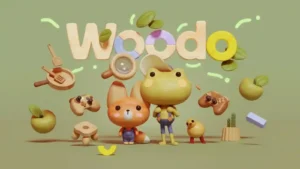
The unhurried rhythm, warm visuals and gentle audio make this an easy game to unwind with. Its intense sweetness can feel excessive to players who prefer a less twee tone.
Pros: art direction, narrative quality
Cons: difficulty balance, replay value
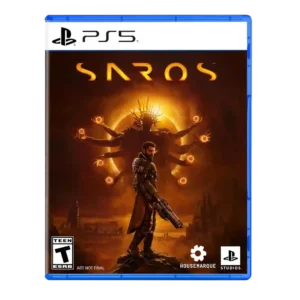
Reviewers repeatedly praised the unnerving, dread-soaked atmosphere, even when they disagreed about the story itself.
Pros: narrative quality, combat system
Cons: side character depth, dialogue quality
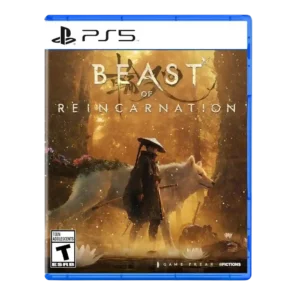
The atmosphere blends lush beauty, melancholy, ruined technology, and quiet terror. Ethereal music and overgrown landscapes give the journey a distinctive, reflective mood.
Pros: combat system, companion AI
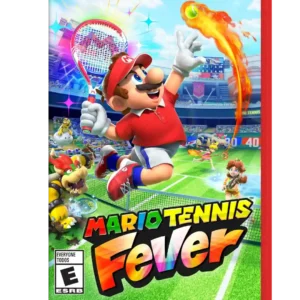
Crowds, stadium presentation, and Fever-powered chaos create a lively party-sports atmosphere. The energy is strongest in multiplayer, where the spectacle reinforces the sense of a playful Mario event.
Pros: fun factor, gameplay mechanics
Cons: tutorial quality, onboarding experience
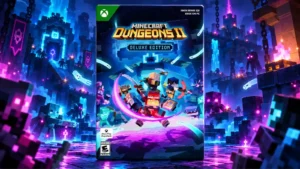
The Sift brings a surreal, cheerful fantasy mood that gives exploration a welcome contrast to conventional dark dungeon-crawling.
Pros: open-world design, graphics quality
Cons: narrative quality, endgame content

Calm scenery and restrained audio can make exploration feel almost therapeutic. The soothing presentation provides a welcome counterweight to demanding puzzles.
Pros: overall quality, puzzle design
Cons: narrative quality, difficulty balance

The unhurried railway setting is a soothing draw, with real-time weather and train sounds deepening the sense of place.
Pros: content variety, accessibility options
Cons: value for money, performance optimization
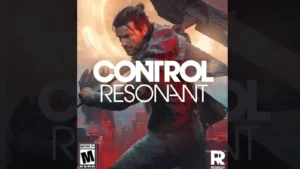
The sequel keeps Control's uncanny blend of cosmic dread, bureaucratic absurdity, and offbeat humor alive across Manhattan. A minority feel the broader city setting dilutes some of the Oldest House's...
Pros: combat system, narrative quality
Cons: boss design, map and navigation design
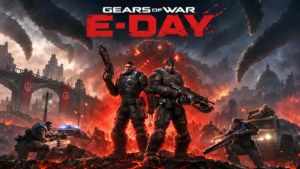
Kalona’s collapse creates a grim, oppressive mood that pushes Gears closer to survival horror without abandoning its action roots. The sense of dread and desperation is one of the most...
Pros: combat system, graphics quality
Cons: exploration quality, mission design
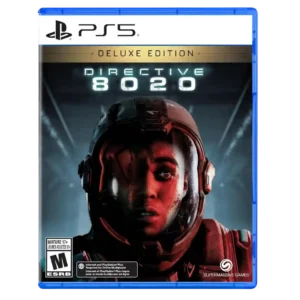
Atmosphere was consistently strong, with praise for lighting, paranoia, claustrophobia, and the alien impostor premise.
Pros: horror tension, gameplay mechanics
Cons: AI behavior, polish
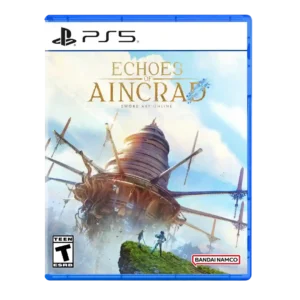
Atmosphere was strong, especially the grand adventure tone, soundtrack breathing room, stakes, and SAO tension.
Pros: combat system, companion AI
Cons: open-world design, movement feel

The tone stays cheerful, silly, and light, while dream sections add a surprisingly emotional, almost cosmic change of mood.
Pros: fun factor, puzzle design
Cons: hint system, originality

The empty station balances lived-in warmth with eerie isolation; its strange phenomena deepen the mystery.
Pros: puzzle design, user interface design
Cons: core gameplay loop, narrative quality
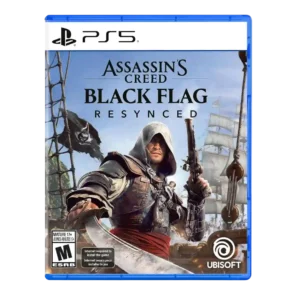
Atmosphere is highly praised, especially the Caribbean lighting, weather, sea feel, and more alive world presentation.
Pros: graphics quality, remake/remaster quality
Cons: DLC value, multiplayer design
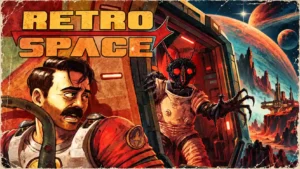
Aurora 5 moves convincingly between absurd retro charm and unsettling abandoned corridors. Lighting, creature sounds, and hints of catastrophe make the station memorable even when individual mechanics disappoint.
Pros: overall quality, art direction
Cons: map and navigation design, difficulty balance