If you want better map and navigation design
Choose Ghost of Yōtei. It scores 4.8 vs 2.0 for map and navigation design, with a 4.4 overall score.

Choose it for exceptional parry-driven sword combat, memorable bosses, expressive animation, and a charismatic Musashi. Skip it if repetitive hub chores, reused encounters, or a 25–30-hour campaign with uneven pacing will outweigh the action.
Players who enjoy mastering precise, reactive melee combat, especially parries, counters, and demanding boss duels, will get the most from it. It also suits fans who value expressive characters and high-end action presentation.
Players who want a tightly linear campaign with little repetition, or who dislike timing-heavy defensive combat, may find the hub padding and repeated fights exhausting despite the easier Story mode.
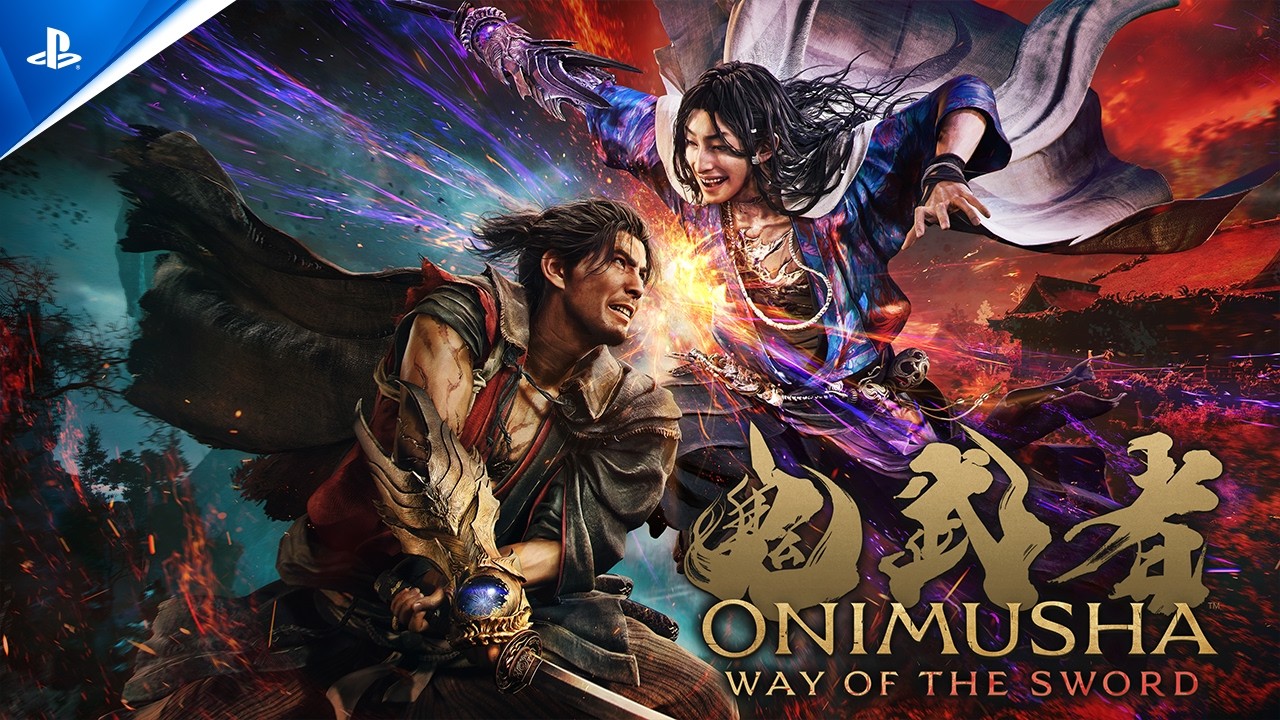
Onimusha: Way of the Sword succeeds first and foremost as a sword-fighting game. Reviewers repeatedly praise its precise parries, deflects, Issens, weighty feedback, elaborate animation, and spectacular boss encounters, while Musashi and the supporting cast give the revival more personality than a simple combat showcase. The tradeoff is structure: Eastern Kyoto’s hub activities, fetch-style side work, repeated minibosses, and material progression often stretch the adventure beyond its best rhythm. Story reception also varies, from heartfelt and engaging to thin or overcomplicated. Difficulty can be severe on Action, but Story mode’s expanded timing windows and prompts make the mechanics much more approachable. For players who enjoy mastering reactive melee systems, its strengths are unusually strong; those wanting a tightly linear, consistently paced campaign may feel the bloat much more sharply.
Compared with other Video Games, this product is above average in bug frequency, crash stability, facial animations, near average in faithfulness to franchise, emotional impact, below average in open-world design, content variety, skill tree depth.
| Attribute | This product | Category average | Difference |
|---|---|---|---|
| open-world design | 1.5 | 3.8 | -2.2 |
| bug frequency | 5.0 | 2.9 | +2.1 |
| crash stability | 5.0 | 3.1 | +1.9 |
| content variety | 2.0 | 3.9 | -1.9 |
| skill tree depth | 2.0 | 3.8 | -1.8 |
| economy and resource balance | 1.5 | 3.1 | -1.6 |
| facial animations | 4.9 | 3.6 | +1.2 |
| mission variety | 2.0 | 3.4 | -1.4 |
Choose Ghost of Yōtei. It scores 4.8 vs 2.0 for map and navigation design, with a 4.4 overall score.
Choose Saros. It scores 4.9 vs 4.3 for fun factor, with a 4.3 overall score.
Choose Death Stranding 2: On the Beach. It scores 5.0 vs 4.4 for animation quality, with a 4.3 overall score.
Choose South of Midnight. It scores 4.8 vs 4.1 for voice acting, with a 3.9 overall score.
Products reviewers directly compared with this model, grouped into quick takeaways.
Yes. Across the supplied reviews, the sword combat and boss fights are the clearest points of agreement, especially the parries, deflects, Issens, and responsive defensive options.
Action difficulty can become punishing, particularly in later boss fights, but Story mode widens timing windows and adds on-screen prompts that several reviewers found genuinely useful.
Not in the usual sense. Kyoto acts more like a central hub between handcrafted linear stages, and that hub structure is also the source of many complaints about padding and repetition.
Reviewers reported roughly 20 to 31 hours to reach the credits depending on approach, with completion-focused play stretching longer. Several critics felt that runtime was padded by repeated hub activities.
No. Reviewers describe it as a welcoming fresh entry that preserves the series’ core identity while telling a largely self-contained story.
Handheld impressions are positive overall: Steam Deck testing was mostly playable around 30 FPS with heavier hub-area strain, while Switch 2 reviews praised its visuals and generally stable performance.
These are a few of the reviews included in our analysis.

Games, Anime, Pop Culture, & Everything In Between
The Japan Times praised Onimusha: Way of the Sword's boss battles but described regular enemy encounters as a weaker part of the game.
Much like how the game's presentation is wasted on the story, these mechanics are wasted on the game's structure.
It's crazy that Onimusha was left dormant for so long. It's one of the breakthrough new IPs Capcom had during the sixth-generation consoles...
Onimusha returns after 20 years with one of the best combat systems among modern action games. Capcom combined the drive of a classic slasher...
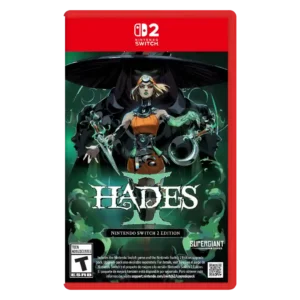
Good if you want fast, tactical roguelite combat with huge progression depth, striking art, and standout music. Skip it if repetition, resource micromanagement, or a less emotionally satisfying sequel story...
Pros: skill tree depth, dialogue quality
Cons: emotional impact, economy and resource balance
Good if you want a beautiful, demanding survival sandbox built around exploration, building, progression, and memorable co-op. Skip it if long resource runs, harsh death recovery, and deliberate pacing sound...
Pros: core gameplay loop, movement feel
Cons: economy and resource balance, map and navigation design
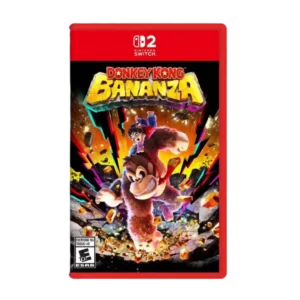
Best for joyful destruction, dense exploration, and a charming DK-Pauline adventure. Skip it if camera quirks, frame-rate dips, easy bosses, or premium Switch 2 pricing are dealbreakers.
Pros: gameplay mechanics, world interactivity
Cons: economy and resource balance, enemy variety
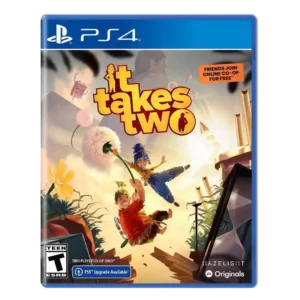
Best for joyful, inventive co-op with a partner, especially on couch. Skip it if divorce themes, uneven story tone, or Switch visual compromises would distract you.
Pros: core gameplay loop, movement feel
Cons: character development, dialogue quality