Inputs are consistently praised for immediacy: attacks, dodges, air movement, and cancels respond quickly enough to support the game's fast, aggressive action.
Pros: combat system, narrative quality
Cons: boss design, map and navigation design

Inputs are consistently praised for immediacy: attacks, dodges, air movement, and cancels respond quickly enough to support the game's fast, aggressive action.
Pros: combat system, narrative quality
Cons: boss design, map and navigation design
Basic movement and interaction controls are easy to grasp, intuitive, and responsive. That simplicity supports the relaxed tone without making navigation feel sluggish.
Pros: game length, gameplay mechanics
Cons: innovation, difficulty balance

Snappy inputs and quick attack animations keep battles moving without unnecessary delay.
Pros: combat system, fun factor
Cons: difficulty balance, pacing
Controls are generally responsive and combat inputs feel clean, though Joy-Con layouts and crowded fights can take adjustment.
Pros: combat system, graphics quality
Cons: pacing, accessibility options
Moment-to-moment control was praised as crisp, frenetic, responsive, and immediately satisfying.
Pros: fun factor, combat system
Cons: originality, battle mode quality

Movement and interaction controls are described as responsive, with no notable input problems raised in the same account.
Pros: puzzle design, atmosphere
Cons: narrative quality, difficulty balance
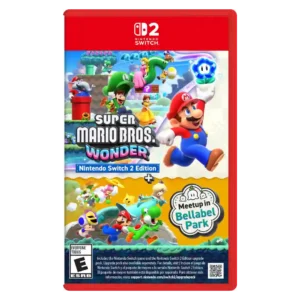
The underlying 2D controls remain one of Wonder’s clearest strengths, with movement repeatedly described as tight, smooth, and exceptionally responsive. That strong control foundation also makes the harder new challenges...
Pros: fun factor, multiplayer design
Cons: matchmaking quality, map and navigation design

Controls are consistently praised as tight, simple, and responsive, helping both movement and combat feel fair even during demanding fights.
Pros: core gameplay loop, difficulty balance
Cons: narrative quality, load times
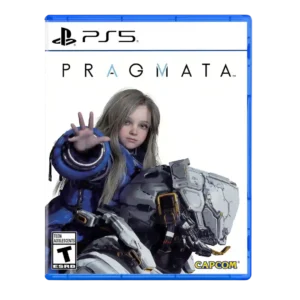
Controls are broadly praised as responsive and intuitive, with several reviewers saying the demanding dual-input combat becomes smooth once learned.
Pros: combat system, emotional impact
Cons: map and navigation design, platforming precision

Instant undo, reset, and time controls are among the most consistently praised features. They encourage experimentation and make mistaken moves easy to recover from.
Pros: overall quality, puzzle design
Cons: narrative quality, difficulty balance
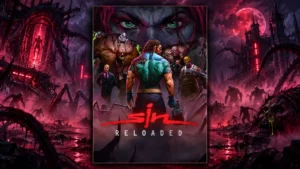
Modernized controls are one of the remaster’s clearest wins, feeling fluid, responsive, and much closer to contemporary shooters without erasing the retro feel.
Pros: remake/remaster quality, overall quality
Cons: level design, map and navigation design

Many find Garfield's inputs fluid, responsive, and easy to combine into quick moves. A few reports of sluggish or awkward action temper that praise.
Pros: content variety, family friendliness
Cons: collectibles, level design

Controls are overwhelmingly praised as tight, smooth, and responsive. Minor complaints involve an initially awkward jump layout and one healing input that could trigger accidentally.
Pros: difficulty balance, boss design
Cons: innovation, sandbox freedom
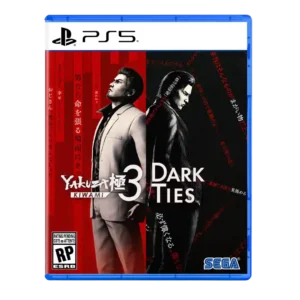
Inputs and style transitions are repeatedly praised as fluid and responsive, especially when chaining Ryukyu weapons, counters, and crowd-control attacks.
Pros: fun factor, combat system
Cons: pacing, battle mode quality
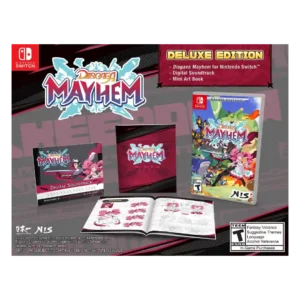
Across previews and demos, controls were repeatedly described as responsive, snappy, and well suited to fast action.
Pros: fun factor, progression system
Cons: difficulty balance, combat system
Controls were praised as responsive and purpose-built, with reviewers saying characters did what they expected and combat balanced heft with responsiveness.
Pros: pacing, combat system
Cons: originality
Controls were generally praised as intuitive, smooth, and snappy in common actions like planting and traversal.
Pros: core gameplay loop, content variety
Cons: pacing, menu usability
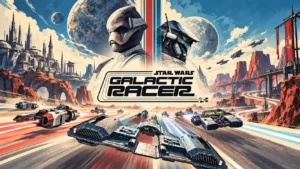
Vehicles generally respond precisely, with drifting and cornering often singled out as especially satisfying. Controllers are preferred by several players, though one finds the default layout awkward and keyboard handling...
Pros: fun factor, overall quality
Cons: difficulty balance, pacing
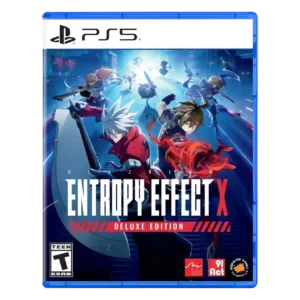
Controls are usually praised as responsive, simple, and precise, although one review finds group hit confirmation less exact than desired.
Pros: combat system, character roster
Cons: narrative quality, learning curve
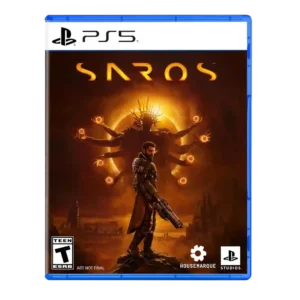
Controls were heavily praised for responsiveness, tactile feel, and precise movement/shooting, with only rare complaints about input conflicts.
Pros: narrative quality, combat system
Cons: side character depth, dialogue quality

Reviewers respond very positively to the controls responsiveness, describing it as a notable strength of the overall experience.
Pros: narrative quality, fun factor
Cons: grind level, learning curve

Controls are usually snappy, intuitive, and smooth, making the fast platforming easy to read and execute. A few character-specific movements feel less polished than the core controls.
Pros: replay value, difficulty balance
Cons: game length, boss design
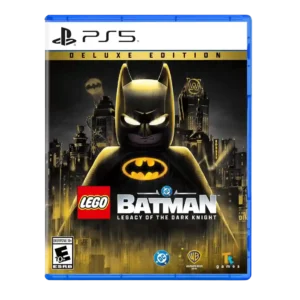
Controls are seen as approachable and responsive, with reviewers praising ease of control, intuitive inputs, and a lack of complaints in hands-on play.
Pros: combat system, exploration quality

The basic controls are generally viewed as simple and intuitive, with the main problems appearing in precision-heavy or timed situations rather than ordinary play.
Pros: fun factor, art direction
Cons: difficulty balance, hint system
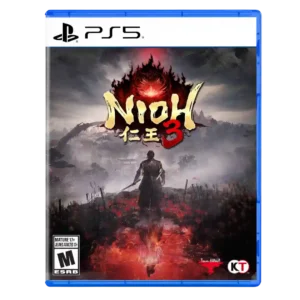
Style switching was described as smooth and responsive, with reviewers noting that swapping between Samurai and Ninja quickly became satisfying in battle.
Pros: combat system, open-world design
Cons: narrative quality, performance optimization
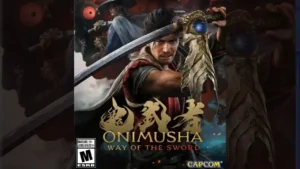
Reviewers who directly addressed the controls describe them as tight and responsive, which helps the demanding timing-based combat feel fair.
Pros: combat system, fun factor
Cons: pacing, open-world design
Remappable controls and direct button mapping make the control setup flexible and accommodating.
Pros: combat system, narrative quality
Cons: difficulty balance, grind level

Basic controls are straightforward to learn. The complexity comes from managing the many systems rather than from executing actions.
Pros: overall quality, shopkeeping system
Cons: performance optimization, pacing

PS5 controller inputs feel responsive and workable once the unconventional layout becomes familiar.
Pros: town-building system, exploration quality
Cons: grind level, fast travel convenience

Steering and inputs are usually described as tight, responsive, and easy to grasp. A minority found the control scheme confusing for newcomers.
Pros: fun factor, open-world design
Cons: collectibles, originality
Controls were described as tighter and mostly faithful, with positive notes around ship controls and improved movement control.
Pros: graphics quality, remake/remaster quality
Cons: DLC value, multiplayer design
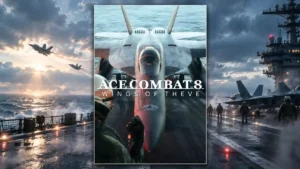
Responsive, intuitive controls are repeatedly credited with making high-speed flying feel precise and approachable.
Pros: narrative quality, fun factor
Cons: dialogue quality, difficulty balance

Standard controls are repeatedly described as tight, clean, and responsive. Serving, volleying, and changing shot types feel dependable enough for quick casual play while still supporting more deliberate tactics.
Pros: fun factor, gameplay mechanics
Cons: tutorial quality, onboarding experience

Most versions feel smooth and responsive in combat, but one Switch review reported severe input lag that made both fighting and exploration unwieldy.
Pros: narrative quality, combat system
Cons: remake/remaster quality, value for money
Shooting and movement usually feel modern, tight, and responsive despite the retro presentation. Switch 2 input latency is the main exception.
Pros: fun factor, core gameplay loop
Cons: difficulty balance, narrative quality

On-court control is usually smoother and more responsive, especially on defense and PC. Some City and MyCareer movement still feels delayed or sluggish.
Pros: gameplay mechanics, fun factor
Cons: microtransaction impact, animation quality
Controls are generally described as intuitive and responsive, especially for basic island management, though one reviewer wanted stronger touchscreen use.
Pros: character customization, fun factor
Cons: content variety, gameplay mechanics
Controller and wheel support are generally strong and precise, though one negative review found the handling poor and some wheel-feedback features remain weak.
Pros: open-world design, fun factor
Cons: AI behavior, polish
Movement and input generally feel less sluggish, but the revised modern combat scheme suits controllers better than mouse and keyboard for some players.
Pros: graphics quality, value for money
Cons: performance optimization, frame rate stability

Controls are mostly praised, especially controller and wheel feel, though one preview criticizes twitchy steering sensitivity and oversteer.
Pros: graphics quality, driving mechanics
Cons: world interactivity, AI behavior
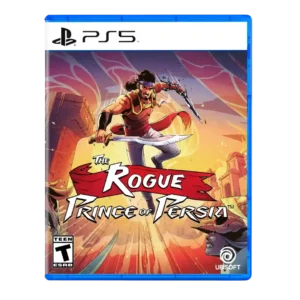
Controls were mostly described as responsive and intuitive, though a few reviews noted input delay or combat-control rough edges.
Pros: combat system, movement feel
Cons: narrative quality, difficulty balance
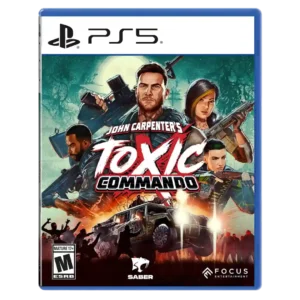
Basic shooting controls are usually responsive, yet a few reviews call out awkward interaction inputs, missing movement conveniences, or online response problems.
Pros: fun factor, combat system
Cons: mission variety, progression system

Movement and tool use are widely considered responsive and intuitive, helping failures feel tied to coordination rather than unreliable input.
Pros: fun factor, puzzle design
Cons: difficulty balance, narrative quality
Touch controls work better than expected and offer strong customization, but controller play is usually smoother while some menu and aiming roughness remains.
Pros: content variety, controls responsiveness
Cons: narrative quality, menu usability
Following the rotation of the scene with each inventory piece makes placement intuitive, and mouse input feels especially natural. Controller users differ on how easy it is to target small...
Pros: art direction, narrative quality
Cons: difficulty balance, replay value

Manual defending, dribbling, and general movement usually feel more immediate and responsive, giving skilled inputs more weight. Passing targeting, player switching, goalkeeper control, and occasional input delay remain recurring frustrations.
Pros: gameplay mechanics, progression system
Cons: open-world design, AI behavior
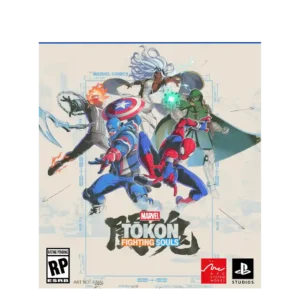
Controls range from praised snappiness and intuitive combos to complaints about clunky switching, odd DP inputs, and auto-combo interference.
Pros: fun factor, character roster
Cons: tutorial quality, competitive balance
Movement and shooting generally feel responsive once learned, but the unusual aiming scheme can feel awkward on controller and creates a steeper adjustment period for some players.
Pros: atmosphere, exploration quality
Cons: map and navigation design, bug frequency

Controller play is simple and approachable, but mouse-and-keyboard input can feel awkward. On a controller, Charlie is consistently described as easy to handle.
Pros: fun factor, puzzle design
Cons: hint system, originality
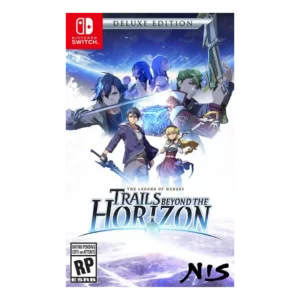
Controls were described as easy to learn and fluid despite added complexity from new field-battle functions.
Pros: narrative quality, combat system
Cons: onboarding experience, pacing