
If you want better frame rate stability
Choose Atomfall. It scores 5.0 vs 3.1 for frame rate stability, with a 3.6 overall score.

Choose it for rich writing, consequential quests, and a distinctive day/night role-playing loop. Skip it if repetitive combat, camera friction, and uneven console performance outweigh story-driven ambition.
Story-first RPG players who value branching quests, moral consequences, replayability, and a focused dark-fantasy world will get the most from it. Vampire traversal and day/night role-playing add a distinctive hook.
Completionists who dislike time pressure, combat-first players sensitive to repetition, or console players expecting uniformly polished performance may want to skip it or wait for further fixes.
The Blood of Dawnwalker succeeds most convincingly as a narrative RPG. Its writing, character work, branching quests, and human-by-day/vampire-by-night structure make choices feel unusually consequential, while the compact Vale Sangora keeps the story focused rather than bloated. Combat can be satisfying once directional parries click, and vampire movement is often the more expressive half of the game, but repeated enemies, camera trouble, and spongey encounters wear down that momentum. The 30-day clock is similarly divisive: it creates meaningful pressure and replay value for some players, yet can feel arbitrary or less threatening than advertised for others. Technical polish is the clearest caveat, especially on consoles, where reports include frame-rate inconsistency, crashes, visual artifacts, and control issues.
Compared with other Video Games, this product is above average in dialogue quality, AI behavior, writing quality, near average in fun factor, crash stability, below average in haptic feedback integration, content variety, performance optimization.
| Attribute | This product | Category average | Difference |
|---|---|---|---|
| haptic feedback integration | 1.0 | 3.9 | -2.9 |
| content variety | 2.4 | 3.9 | -1.5 |
| performance optimization | 2.2 | 3.8 | -1.6 |
| dialogue quality | 4.8 | 3.3 | +1.6 |
| controls responsiveness | 2.0 | 3.8 | -1.8 |
| accessibility options | 2.0 | 3.8 | -1.8 |
| AI behavior | 4.5 | 2.7 | +1.8 |
| load times | 2.0 | 3.7 | -1.7 |
Choose Atomfall. It scores 5.0 vs 3.1 for frame rate stability, with a 3.6 overall score.
Choose Ghost of Yōtei. It scores 5.0 vs 1.0 for haptic feedback integration, with a 4.4 overall score.
Choose Onimusha: Way of the Sword. It scores 5.0 vs 2.3 for bug frequency, with a 4.1 overall score.
Choose Elder Scrolls V: Skyrim. It scores 4.9 vs 2.4 for content variety, with a 4.0 overall score.
Products reviewers directly compared with this model, grouped into quick takeaways.
Yes. Writing, characters, branching quests, and moral consequences are the most consistently praised parts of the game, even in several otherwise critical reviews.
Time advances mainly when you commit to quests, activities, or some upgrades rather than simply while exploring. Some players find the pressure refreshing and meaningful, while others consider it inconsistent or less threatening than advertised.
It can be satisfying once directional blocking and parrying click, and vampire combat is often preferred. Repetitive enemies, camera problems, spongey fights, and late-game combat gauntlets make it one of the more divisive systems.
Yes. Branching outcomes, missed quests, multiple endings, and different day/night approaches give strong reasons for another playthrough, although one review specifically misses New Game Plus.
It varies by platform and build. Performance modes and patches improve the experience, but reviews still report frame-rate dips, crashes, visual artifacts, camera issues, and other technical roughness, especially on consoles.
The supplied reviews commonly place a playthrough around 30–50 hours, with one reviewer reporting about 50 hours while seeing much of the available content.
These are a few of the reviews included in our analysis.


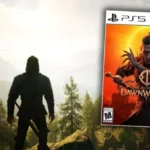

The Blood of Dawnwalker is a new open world action RPG, with a central character trying to rescue his family from powerful vampire lords.
With a strong development pedigree and ambitious plans for a future franchise, can this new IP live up to its lofty goals? Our 'The Blood of...
“Lord, please grant me the strength to resist this damn thirst… Grant me the will to keep the beast at bay.” — Coen The Blood of Dawnwalker...
Dawn Walker? I thought you said his name was Coen?!
Former Witcher 3 developers drop the best RPG of the year.

Best for fluid traversal, rewarding exploration, striking art, and forgiving quality-of-life features. Skip it if you want deep combat, radical genre innovation, or consistently demanding bosses.
Pros: difficulty balance, boss design
Cons: innovation, sandbox freedom

Good if you want fast, tactical roguelite combat with huge progression depth, striking art, and standout music. Skip it if repetition, resource micromanagement, or a less emotionally satisfying sequel story...
Pros: combat system, progression system
Cons: originality

Good if you want a beautiful, demanding survival sandbox built around exploration, building, progression, and memorable co-op. Skip it if long resource runs, harsh death recovery, and deliberate pacing sound...
Pros: town-building system, exploration quality
Cons: grind level, fast travel convenience

Best for joyful destruction, dense exploration, and a charming DK-Pauline adventure. Skip it if camera quirks, frame-rate dips, easy bosses, or premium Switch 2 pricing are dealbreakers.
Pros: fun factor, world interactivity
Cons: frame rate stability, boss design