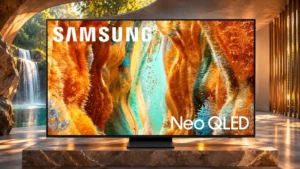
Overall: 3.8/5
The narrow pedestal is useful when the furniture is not as wide as the television itself.
Pros: picture quality, 4K at 144 Hz support
Cons: sound quality, value for money

Overall: 3.8/5
The narrow pedestal is useful when the furniture is not as wide as the television itself.
Pros: picture quality, 4K at 144 Hz support
Cons: sound quality, value for money

Overall: 4.0/5
Wide and narrow foot positions provide useful flexibility for cabinet placement.
Pros: color accuracy, picture quality
Cons: HDR brightness, peak brightness

Overall: 4.0/5
The centrally located feet or pedestal make the TV easier to fit on narrower furniture than widely spaced-leg designs.
Pros: overall satisfaction, picture quality
Cons: reliability, build quality
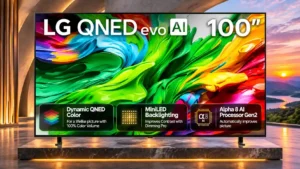
Overall: 3.7/5
Two leg positions suit either a narrower cabinet or a wider, sturdier placement.
Pros: picture quality, maximum volume
Cons: sound quality, bass performance

Overall: 3.9/5
The feet can use narrow or wide spacing, helping match furniture widths and soundbar placement.
Pros: color volume, black levels
Cons: Inconsistent panel and coating by size, sound quality

Overall: 4.0/5
Centered or flexible foot placement makes most sizes friendly to narrow furniture, but the 98-inch stand is substantially wider and fixed.
Pros: picture quality, black levels
Cons: HDR brightness, value for money
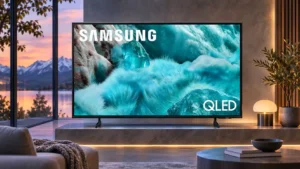
Overall: 3.0/5
The narrow feet configuration accommodates smaller furniture, while the wider stance can provide extra stability.
Pros: color gamut, smart TV platform
Cons: value for money, overall satisfaction

Overall: 4.2/5
Narrow and wide mounting positions give more flexibility across different furniture widths.
Pros: high-refresh-rate gaming, gaming performance
Cons: value for money, bass performance

Overall: 4.2/5
The narrow pedestal fits many cabinets more easily than widely spaced feet would.
Pros: picture quality, glare resistance
Cons: value for money, bass performance

Overall: 3.9/5
A compact central base suits narrower consoles better than wide-spaced feet, subject to size and soundbar placement.
Pros: peak brightness, value for money
Cons: reflection handling, glare resistance

Overall: 3.4/5
Two foot positions on the 75-inch model provide narrower or wider furniture options, a welcome flexibility for a large TV.
Pros: picture quality, value for money
Cons: viewing angles, HDR performance

Overall: 3.6/5
Adjustable foot positions on applicable larger sizes help fit the TV onto narrower furniture.
Pros: black levels, picture quality
Cons: HDR performance, blooming control
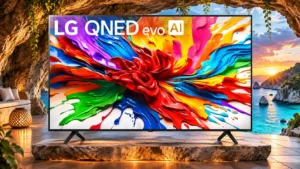
Overall: 3.9/5
The US QNED92A has widely spaced feet that demand a broad cabinet, while the UK QNED93 uses a more compact center stand.
Pros: gaming performance, overall satisfaction
Cons: sound quality, value for money

Overall: 3.8/5
Smaller stands suit narrower cabinets, but the 100-inch version uses widely spaced feet that require extra furniture width.
Pros: overall satisfaction, picture quality
Cons: value for money, local dimming performance

Overall: 4.2/5
Stand width is a mild usability concern because the feet use one wide position; a narrower alternative would fit smaller furniture more easily.
Pros: overall satisfaction, value for money
Cons: smart TV platform, blooming control

Overall: 4.0/5
The two feet are spaced far apart, requiring wide furniture rather than a compact center stand.
Pros: peak brightness, picture quality
Cons: HDMI 2.1 port count, reflection handling

Overall: 3.9/5
The feet sit at the outer edges, forcing owners to use furniture nearly as wide as the TV and making narrow cabinets a poor fit.
Pros: gaming performance, peak brightness
Cons: HDMI 2.1 support, HDMI 2.1 port count
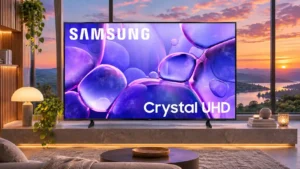
Overall: 3.3/5
Wide-set, minimally adjustable feet can demand a broad cabinet and complicate soundbar placement.
Pros: color accuracy, upscaling quality
Cons: picture quality, sound quality
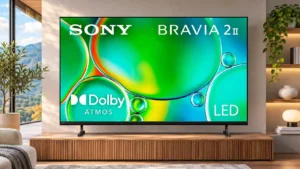
Overall: 3.6/5
The fixed, widely spaced feet demand a generously sized cabinet; several owners had to reconsider their furniture or placement.
Pros: picture quality, overall satisfaction
Cons: sound quality, reliability
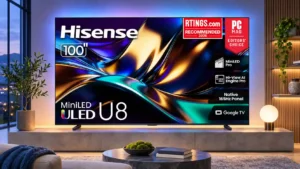
Overall: 4.1/5
The central stands fit ordinary consoles; the 100-inch version needs exceptionally wide furniture or wall mounting.
Pros: peak brightness, HDR brightness
Cons: sound quality, viewing angles
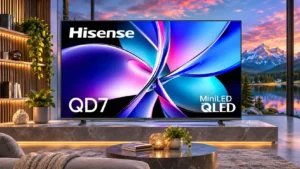
Overall: 3.9/5
The widely spaced feet need a relatively broad TV console to support the panel safely.
Pros: picture quality, contrast ratio
Cons: HDR performance, motion handling

Overall: 4.2/5
The widely spaced feet create a stable platform but may require a broad cabinet.
Pros: value for money, color accuracy
Cons: HDR brightness, reflection handling
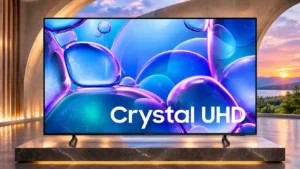
Overall: 3.0/5
The widely separated feet require a fairly broad furniture surface without an inward mounting option.
Pros: picture quality, smart TV platform
Cons: value for money, refresh rate
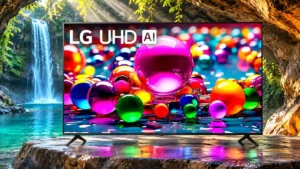
Overall: 3.0/5
Widely separated feet require a broad console, especially for large sizes, with no narrower alternative position.
Pros: viewing angles, smart TV platform
Cons: overall satisfaction, refresh rate
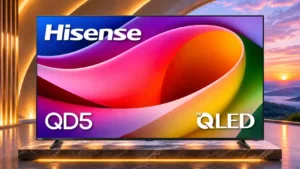
Overall: 3.9/5
The fixed outer feet demand roughly 70 inches of furniture width, catching several buyers off guard.
Pros: overall satisfaction, picture quality
Cons: Weight and handling, black levels
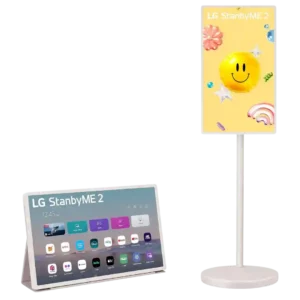
Overall: 3.8/5
One buyer found the base very large and difficult to store. The broad footprint may matter in especially tight rooms.
Pros: overall satisfaction, portability and versatility
Cons: value for money, menu responsiveness