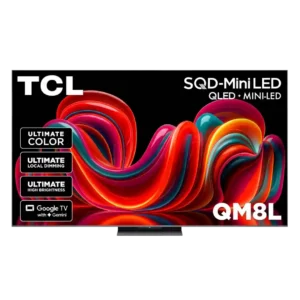
Overall: 4.4/5
Dialogue and midrange stayed clean without obvious distortion, even when the built-in speakers were asked to sound full.
Pros: picture quality, value for money
Cons: stand quality, judder handling

Overall: 4.4/5
Dialogue and midrange stayed clean without obvious distortion, even when the built-in speakers were asked to sound full.
Pros: picture quality, value for money
Cons: stand quality, judder handling
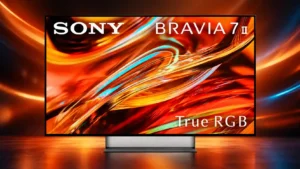
Overall: 4.2/5
The speakers stay impressively clean at high volume most of the time, though extreme bass can introduce a small amount of crackle.
Pros: overall satisfaction, picture quality
Cons: HDMI 2.1 port count, reflection handling
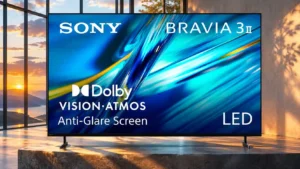
Overall: 3.8/5
Moderate and fairly loud playback stays clean without much audible breakup. The low-end extension remains limited despite that clarity.
Pros: HDMI 2.1 port count, overall satisfaction
Cons: HDR performance, bass performance

Overall: 4.1/5
Voices and midrange are usually clean at normal levels, but one 48-inch model introduced distortion as volume increased.
Pros: picture quality, gaming performance
Cons: value for money, sound quality
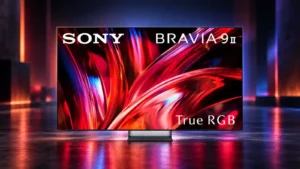
Overall: 4.3/5
Distortion is generally well controlled, especially at normal levels, but it can become more noticeable when the TV is pushed very loud.
Pros: overall satisfaction, overall image accuracy
Cons: value for money, bass performance

Overall: 3.8/5
Maximum-volume output suffers audible compression, limiting clarity at the upper end.
Pros: picture quality, color accuracy
Cons: HDR performance, sound quality
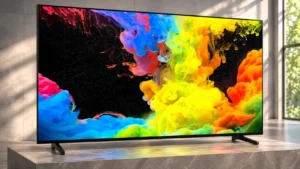
Overall: 4.3/5
A faint buzz during bass-heavy music reveals a limitation of the integrated speakers.
Pros: picture quality, black levels
Cons: bass performance, HDR brightness

Overall: 4.4/5
Pushing the volume introduces slight distortion, and action scenes can sound sluggish rather than clean and forceful.
Pros: picture quality, peak brightness
Cons: value for money, sound quality
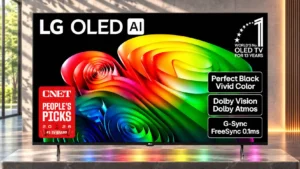
Overall: 3.8/5
Complex and loud sound effects can create audible distortion, especially with processing enabled.
Pros: value for money, peak brightness
Cons: color accuracy, stand quality
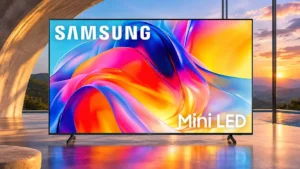
Overall: 2.6/5
At high volume, compression becomes noticeable and reduces audio quality.
Pros: sound quality, picture quality
Cons: value for money, local dimming performance

Overall: 3.1/5
High-volume compression is noticeable, weakening the sound when the speakers are pushed hard.
Pros: gaming performance, color accuracy
Cons: value for money, overall satisfaction

Overall: 3.8/5
Low-frequency sound can become strained or distorted, reinforcing the case for separate audio equipment.
Pros: picture quality, contrast ratio
Cons: blooming control, glare resistance
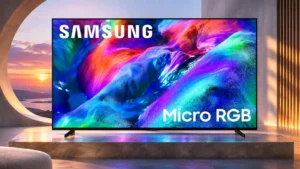
Overall: 3.8/5
Boxy midrange and sometimes harsh treble reduce the refinement of the built-in audio.
Pros: overall satisfaction, color gamut
Cons: value for money, local dimming performance

Overall: 4.5/5
Low frequencies can introduce a little distortion when pushed, particularly as the built-in speakers approach their bass limits.
Pros: glare resistance, black levels
Cons: Dolby Vision support, color gamut
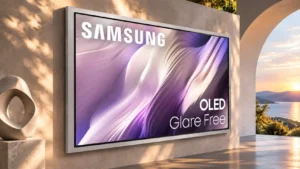
Overall: 4.2/5
The speakers remain controlled at typical levels, with some compression when pushed to maximum output.
Pros: picture quality, overall satisfaction
Cons: design and appearance, Dolby Vision support
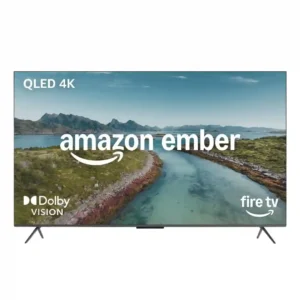
Overall: 3.3/5
Distortion becomes obvious in demanding bass or high-volume scenes. Heavy low-frequency stress can sound muddy or flappy, so external audio is preferable for action movies.
Pros: picture quality, overall satisfaction
Cons: value for money, reliability
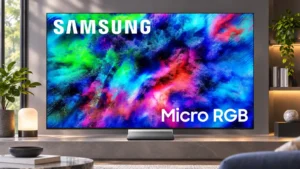
Overall: 3.7/5
Heavy movie effects can provoke crackling, buzzing or coarse bass. Lighter soundtracks are much cleaner.
Pros: color volume, overall satisfaction
Cons: value for money, color accuracy