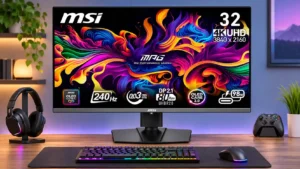
Near-instant pixel response is a consistent standout, producing crisp action with very little smearing.
Pros: overall satisfaction, DisplayPort connectivity
Cons: value for money, reliability over time

Near-instant pixel response is a consistent standout, producing crisp action with very little smearing.
Pros: overall satisfaction, DisplayPort connectivity
Cons: value for money, reliability over time

Near-instant OLED transitions keep action crisp with exceptionally low blur and very little meaningful pixel-response delay.
Pros: color gamut, overall satisfaction
Cons: reflection handling, VRR flicker
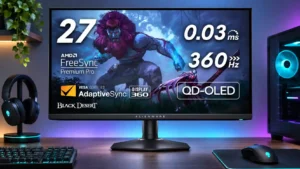
Near-instant OLED pixel transitions keep fast objects clean and responsive without the usual LCD overshoot or trailing.
Pros: competitive gaming suitability, color gamut
Cons: brightness, HDMI 2.1 support
Extremely rapid pixel transitions keep edges crisp even through frantic camera movement, supporting the monitor’s esports strengths.
Pros: refresh rate, competitive gaming suitability
Cons: value for money, brightness
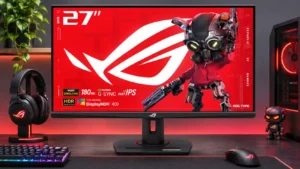
Pixel response is exceptionally quick for this class, with balanced default settings that avoid large overshoot penalties.
Pros: value for money, Resolution
Cons: HDR performance, port selection
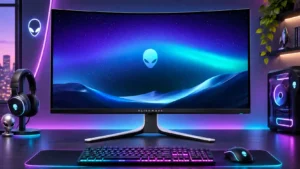
Instant-feeling OLED pixel response keeps both high- and lower-refresh motion very clean, with no need for typical LCD overdrive adjustment.
Pros: overall satisfaction, brightness
Cons: Dolby Vision support, VRR flicker
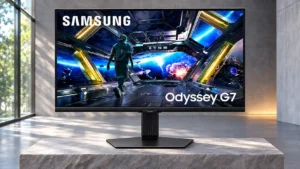
Pixel transitions are generally quick enough for enjoyable gaming; the strongest real-world praise concerns overall responsiveness rather than the advertised 1ms claim.
Pros: PC gaming compatibility, overall picture quality
Cons: overall satisfaction, Smart TV platform
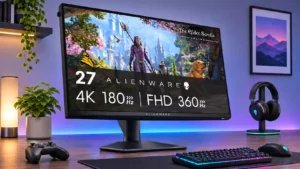
Pixel response is fast for IPS and helps make gaming smooth, but the most rigorous measurements show blur and overshoot that hold it back from the best 360Hz screens.
Pros: Resolution, refresh rate
Cons: HDR performance, contrast
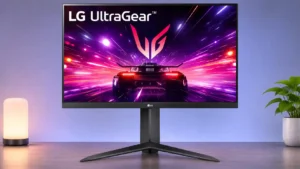
Pixel response remains consistent across refresh rates, and a moderate overdrive setting performs well. Some motion blur remains, and the maximum setting creates visible artifacts.
Pros: adaptive sync performance, response time
Cons: HDR performance, console gaming compatibility
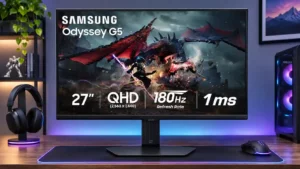
The panel is generally responsive, especially with tuned overdrive, but the advertised 1ms claim should not be taken literally and faster competitors exist.
Pros: stand adjustability, competitive gaming suitability
Cons: value for money, port selection

Pixel response is serviceable for occasional play but can obscure fine moving details, making dedicated gaming displays faster and cleaner.
Pros: overall picture quality, color accuracy
Cons: value for money, built-in speakers
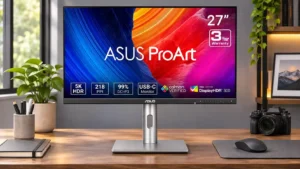
Pixel response is adequate for basic use but not optimized for fast-moving games.
Pros: color accuracy, overall picture quality
Cons: HDR performance, refresh rate
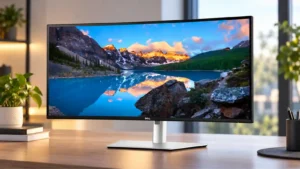
The 5ms-class response time is acceptable for everyday work and casual gaming, but it is not competitive with dedicated gaming displays. Gaming-focused alternatives can deliver much faster pixel response.
Pros: overall satisfaction, productivity versatility
Cons: value for money, reliability over time
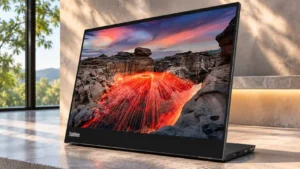
Its 6ms fastest setting is not enough for demanding players, and trying to speed motion can produce visible shadows.
Pros: overall picture quality, Stylus usability
Cons: port selection, refresh rate