Best for brightness
Dell Alienware AW3426DW
5.0 attribute score
Highest scored product for this attribute based on supporting review evidence.

Highest scored product for this attribute based on supporting review evidence.
Balances the attribute score, supporting reviews, and overall product strength.
Has the broadest review evidence for this attribute.
Strongest overall product among items with scored evidence for this attribute.
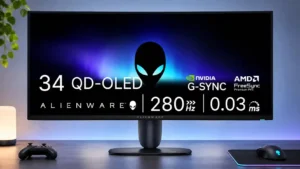
The five-layer panel is noticeably brighter in SDR and produces vivid, high-impact HDR highlights. Large bright HDR scenes remain more constrained than small specular effects.
Pros: brightness, value for money
Cons: port selection, built-in speakers
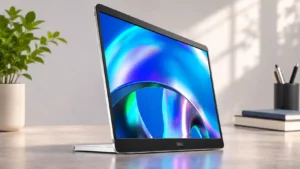
An unusually bright panel is the standout strength, helping it remain readable in well-lit offices and mobile workspaces. Direct sunlight and strong window glare can still be challenging.
Pros: brightness, portability and weight
Cons: value for money, port selection
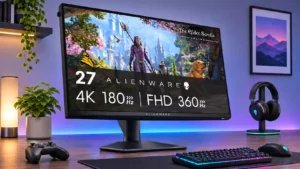
High SDR brightness is a consistent strength, frequently measured near or above 450 nits. HDR brightness results vary by mode and test, and small highlights are not always punchy.
Pros: Resolution, refresh rate
Cons: HDR performance, contrast
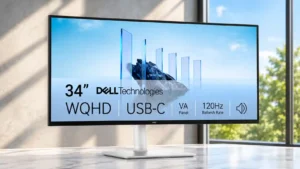
Brightness is generally sufficient for normal and well-lit rooms, exceeding modest official brightness expectations in one test.
Pros: overall satisfaction, screen size
Cons: stand adjustability, Photo editing
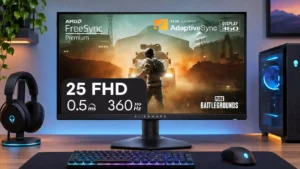
Measurements and impressions generally point to strong brightness for a 1080p esports screen, although one reviewer wanted a punchier presentation.
Pros: competitive gaming suitability, stand adjustability
Cons: color gamut, contrast
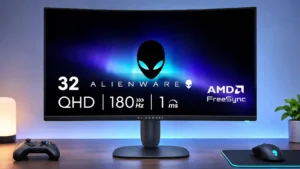
Bright enough for a well-lit room and suitably bright at factory settings, with a noticeable advantage over some rival 32-inch models.
Pros: value for money, overall satisfaction
Cons: HDR performance, Headphone output quality

Strong daytime output impresses, but automatic adjustments can make the image too dim and pushing brightness beyond 75% draws an extra power warning. HDR highlights do not consistently look spectacular.
Pros: port selection, USB hub functionality
Cons: competitive gaming suitability, motion clarity

Day-to-day SDR brightness generally satisfies office work, but opinions differ in sunny rooms and the peak brightness falls short of a standout HDR display.
Pros: overall picture quality, color accuracy
Cons: value for money, built-in speakers
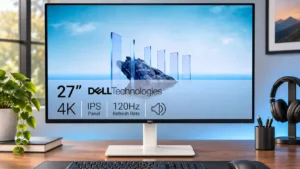
SDR brightness is generally strong for the price with a useful adjustment range; it is far less impressive as HDR peak brightness.
Pros: value for money, Resolution
Cons: port selection, HDR performance
Bright enough for most regular offices, it also compares favorably with many basic displays. Sunlight and strong lamp reflections can still make the picture harder to see.
Pros: USB hub functionality, USB-C power delivery
Cons: speaker quality
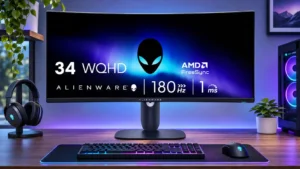
SDR output is strong for the price, with useful adjustment range. HDR highlights are much less impressive, and measured brightness varies between units.
Pros: ultrawide gaming experience, black levels
Cons: HDR performance, viewing angles
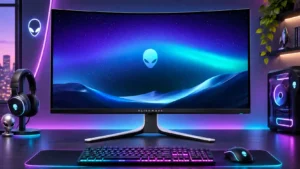
SDR brightness is enough for most controlled rooms but modest beside bright LCDs. HDR can deliver much stronger small highlights than full-screen white scenes.
Pros: overall satisfaction, brightness
Cons: Dolby Vision support, VRR flicker
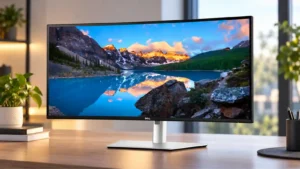
Brightness is generally sufficient for office use and even bright rooms, though measurements from some testers are modest compared with premium rivals. A few owners actually find the display brighter...
Pros: overall satisfaction, productivity versatility
Cons: value for money, reliability over time
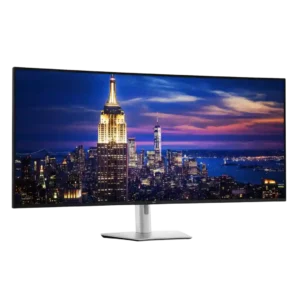
Brightness is comfortable for most offices and home studios, generally landing in the mid-300-nit range. It can struggle in very bright rooms, and the automatic adjustment may feel too aggressive.
Pros: productivity versatility, overall satisfaction
Cons: value for money, response time

Brightness is ample for normal offices and indoor rooms but can feel low in direct sun or very bright spaces; HDR peaks are modest.
Pros: value for money, Resolution
Cons: port selection, competitive gaming suitability
Small bright details can look dazzling, but full-screen SDR brightness is modest and heavily lit rooms expose its limits. Experiences with actual brightness vary across modes and tests.
Pros: competitive gaming suitability, color gamut
Cons: brightness, HDMI 2.1 support
Small HDR highlights can be punchy, and SDR output is comfortable for typical indoor use. Larger bright areas are less luminous than on the competing white-subpixel LG panel.
Pros: overall satisfaction, Text fringing
Cons: brightness, Edge dimming behavior
Its approximately 400-nit brightness is usable and sometimes praised, but does not create standout HDR impact or lead in bright rooms.
Pros: overall satisfaction, refresh rate
Cons: HDR performance, HDMI 2.1 support
Brightness was the most mixed display trait: some reviewers found HDR or perceived brightness strong, but SDR and bright-room use were repeated concerns.
Pros: value for money, sharpness
Cons: brightness, USB hub functionality
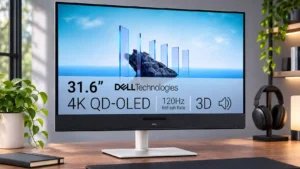
HDR highlights can be impressive, but sustained SDR brightness is modest and daylight reduces impact. A few users find it sufficiently bright after adjusting settings.
Pros: overall picture quality, overall satisfaction
Cons: port selection, brightness
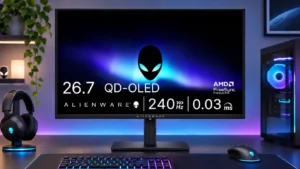
Brightness is the recurring weak spot, especially in sunny rooms and HDR. It is generally manageable in controlled or moderately lit spaces.
Pros: value for money, panel type
Cons: brightness, port selection