Best for competitive gaming suitability
Dell Alienware AW2726DM
5.0 attribute score
Highest scored product for this attribute based on supporting review evidence.

Highest scored product for this attribute based on supporting review evidence.
Balances the attribute score, supporting reviews, and overall product strength.
Has the broadest review evidence for this attribute.
Strongest overall product among items with scored evidence for this attribute.
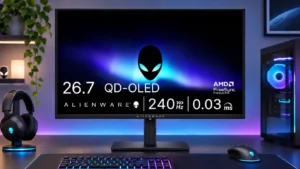
Fast response, 240Hz motion and low lag suit competitive play particularly well without paying for an extreme esports display.
Pros: value for money, panel type
Cons: brightness, port selection
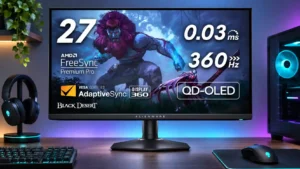
Exceptional clarity, low lag and up to 360Hz make this a particularly strong competitive PC gaming screen when the system can deliver high frame rates.
Pros: competitive gaming suitability, color gamut
Cons: brightness, HDMI 2.1 support
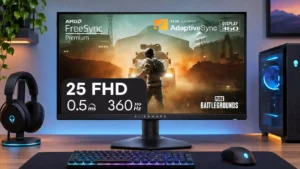
Rapid 360Hz refresh, low lag and responsive pixel transitions make this a strong esports specialist, provided the PC can sustain high frame rates.
Pros: competitive gaming suitability, stand adjustability
Cons: color gamut, contrast
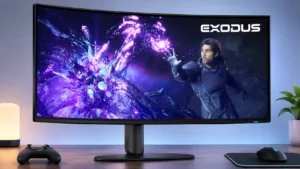
330Hz and esports modes are genuinely useful for fast shooters, with responsive OLED motion. Serious competitors may prefer a smaller, natively faster display rather than this softer low-resolution mode.
Pros: overall satisfaction, Text fringing
Cons: brightness, Edge dimming behavior
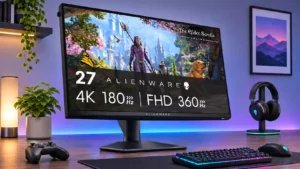
The 1080p/360Hz mode gives fast, low-lag play without buying a separate esports screen. Its pixel response and softer fine details mean dedicated high-end 360Hz displays can still be better for...
Pros: Resolution, refresh rate
Cons: HDR performance, contrast
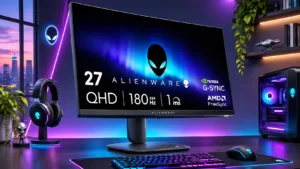
180Hz motion and quick response make shooters a strong fit, though VRR blur and faster 320Hz alternatives temper top-tier esports appeal.
Pros: overall satisfaction, refresh rate
Cons: HDR performance, HDMI 2.1 support
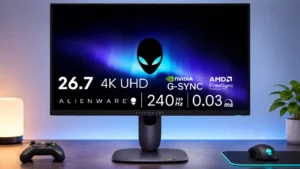
Competitive gaming suitability was strong for 4K/240Hz responsiveness, though hardcore esports players may still prefer faster lower-resolution panels.
Pros: value for money, sharpness
Cons: brightness, USB hub functionality
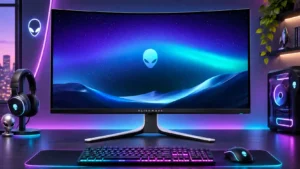
Very low lag, fast pixels and 240Hz make competitive play responsive; extreme esports players may prefer 360Hz or 480Hz alternatives and smaller screens.
Pros: overall satisfaction, brightness
Cons: Dolby Vision support, VRR flicker
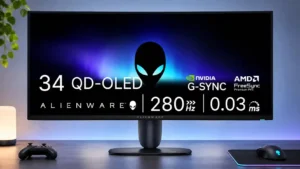
Fast response and a simulated smaller-screen esports option are real strengths. Players who prioritize 16:9 layouts or refresh rates above 280Hz may prefer a dedicated esports monitor.
Pros: brightness, value for money
Cons: port selection, built-in speakers
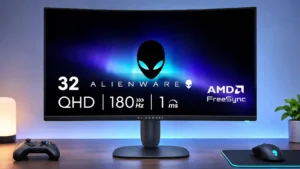
Shooters can be very smooth at 180Hz, but dark or bright smearing and the sheer 32-inch size make this a conditional choice for demanding competitive play.
Pros: value for money, overall satisfaction
Cons: HDR performance, Headphone output quality
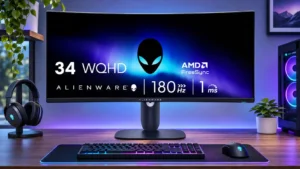
Low input lag helps in competitive titles, but dark smearing and relatively slow pixel transitions hold it back for motion-focused players.
Pros: ultrawide gaming experience, black levels
Cons: HDR performance, viewing angles
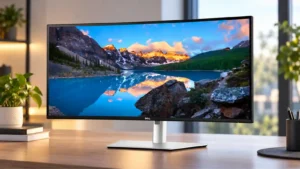
Competitive gaming is not this monitor’s strength. Its response time, lack of FreeSync/G-Sync, limited HDR, and productivity-first tuning make dedicated gaming monitors the better fit for serious players.
Pros: overall satisfaction, productivity versatility
Cons: value for money, reliability over time

Low input lag helps, but the 120Hz cap and pronounced moving-object trails make fast esports shooters a weaker fit than dedicated gaming screens.
Pros: value for money, Resolution
Cons: port selection, competitive gaming suitability
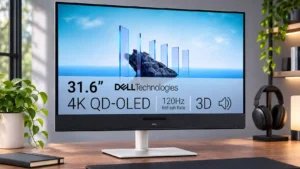
Fast OLED pixel response helps, but 120Hz is less competitive than 240Hz OLED alternatives; most serious esports players should look elsewhere.
Pros: overall picture quality, overall satisfaction
Cons: port selection, brightness
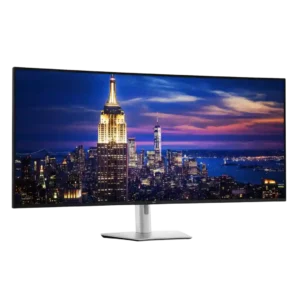
Competitive gamers should look elsewhere because response time, ghosting, 120Hz ceiling, and missing gaming features trail dedicated OLED and high-refresh models. The monitor is designed for work first and occasional...
Pros: productivity versatility, overall satisfaction
Cons: value for money, response time

Its huge resolution, 120Hz ceiling, and relatively slow pixel response put it behind esports-focused screens for the fastest shooters.
Pros: overall picture quality, color accuracy
Cons: value for money, built-in speakers
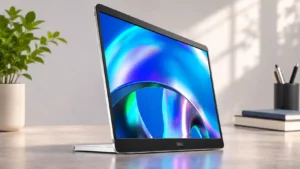
The competitive gaming suitability is a recurring limitation, especially compared with more flexible or higher-end portable monitors.
Pros: brightness, portability and weight
Cons: value for money, port selection
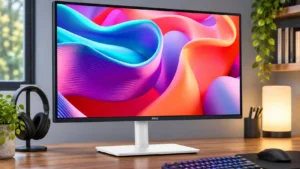
The S2725DC is aimed at everyday work and occasional play rather than serious competition; blurry motion makes it a poor choice for fast, demanding matches.
Pros: USB hub functionality, USB-C power delivery
Cons: speaker quality
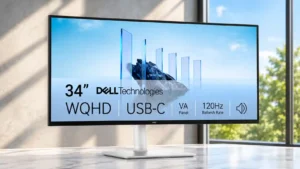
Casual games run well enough, but high-speed competitive players are encouraged to choose a faster, gaming-focused screen.
Pros: overall satisfaction, screen size
Cons: stand adjustability, Photo editing
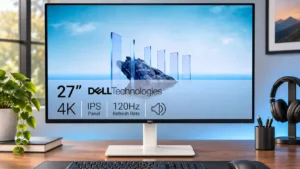
Low input lag helps, but sluggish pixel transitions and visible blur make this weaker than a properly tuned gaming monitor for esports.
Pros: value for money, Resolution
Cons: port selection, HDR performance

This is not a good choice for serious competitive play: pixel response is slow despite the 120Hz refresh, and aggressive overdrive can cause distracting halos.
Pros: port selection, USB hub functionality
Cons: competitive gaming suitability, motion clarity