Best for Programming and coding
Dell P1425 Monitor
5.0 attribute score
Highest scored product for this attribute based on supporting review evidence.

Highest scored product for this attribute based on supporting review evidence.
Balances the attribute score, supporting reviews, and overall product strength.
Has the broadest review evidence for this attribute.
Strongest overall product among items with scored evidence for this attribute.
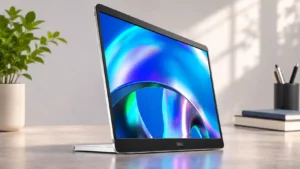
The 16:10 panel gives code, terminal windows and web pages useful extra vertical room, especially as a second laptop screen.
Pros: brightness, portability and weight
Cons: value for money, port selection

Sharp text, wide layouts, and room for multiple panels are helpful for code and automation diagrams, even if smaller Retina-density options are sharper.
Pros: overall picture quality, color accuracy
Cons: value for money, built-in speakers
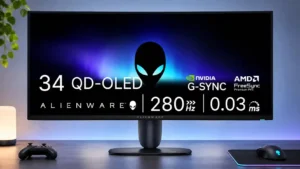
The RGB-stripe pixel layout makes long coding or text-heavy sessions far more comfortable than earlier triangular QD-OLED panels.
Pros: brightness, value for money
Cons: port selection, built-in speakers
The generous desktop space is useful for code alongside documentation, while the RGB-stripe panel renders small type cleanly. It fits long text-heavy sessions better than older fringing-prone OLEDs.
Pros: overall satisfaction, Text fringing
Cons: brightness, Edge dimming behavior
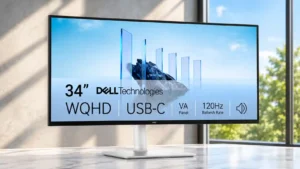
Multiple code, terminal, and browser windows remain readable at once without juggling separate displays.
Pros: overall satisfaction, screen size
Cons: stand adjustability, Photo editing

Sharp text, ample screen space and a portrait pivot make reading code and working through long files comfortable.
Pros: value for money, Resolution
Cons: port selection, competitive gaming suitability
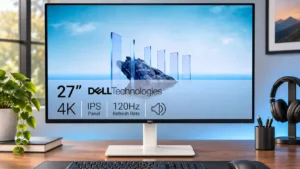
Crisp 4K text and smooth scrolling make programming and other text-heavy work a strong fit, with comfortable viewing for longer desk sessions.
Pros: value for money, Resolution
Cons: port selection, HDR performance

Dense 4K text stays crisp, and 120Hz reduces the jarring feel of scrolling through long code files. That combination is especially appealing for all-day development.
Pros: port selection, USB hub functionality
Cons: competitive gaming suitability, motion clarity
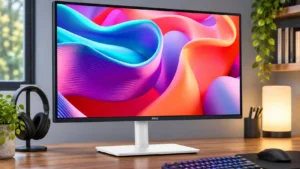
The QHD workspace and fast scrolling work well for basic programming and as a secondary coding display. Heavy multitaskers may want a larger or sharper screen.
Pros: USB hub functionality, USB-C power delivery
Cons: speaker quality
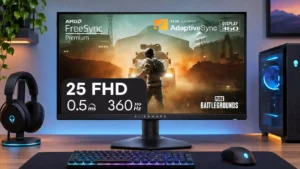
Portrait rotation suits coding in one reviewer's setup, although the resolution still limits text detail compared with sharper alternatives.
Pros: competitive gaming suitability, stand adjustability
Cons: color gamut, contrast