Best for brightness
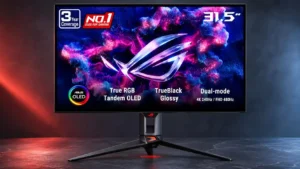
ASUS ROG Swift OLED PG27AQWP-W
5.0 attribute score
Highest scored product for this attribute based on supporting review evidence.

Highest scored product for this attribute based on supporting review evidence.
Balances the attribute score, supporting reviews, and overall product strength.
Has the broadest review evidence for this attribute.
Strongest overall product among items with scored evidence for this attribute.
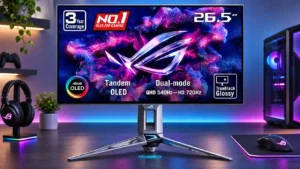
The newer Tandem OLED panel is among the brightest high-refresh OLEDs tested, in both SDR and HDR. Some modes sacrifice peak output for steadier or more accurate brightness.
Pros: black levels, motion clarity
Cons: value for money, Dual-mode versatility
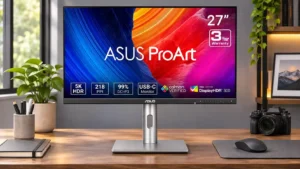
Strong SDR brightness gives this display ample headroom for sunlit studios. Some presets restrict luminance or need lowering for comfortable indoor work.
Pros: color accuracy, overall picture quality
Cons: HDR performance, refresh rate
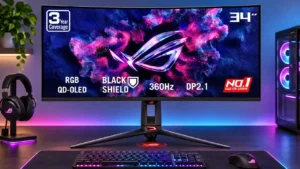
The new panel produces brighter SDR images and impressive HDR highlights, with peaks near 1,300 nits in small areas. Large bright regions remain more restrained.
Pros: color gamut, contrast
Cons: value for money, Resolution
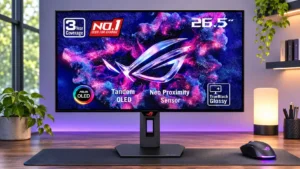
The new panel delivers a meaningful improvement in SDR brightness and striking HDR peaks. Performance depends on window size and brightness settings.
Pros: overall satisfaction, response time
Cons: reflection handling, VRR flicker

The display reaches strong SDR brightness and remains impressively bright with Pulsar on. It also dims enough for many darker spaces.
Pros: motion clarity, Backlight strobing
Cons: contrast, HDR performance
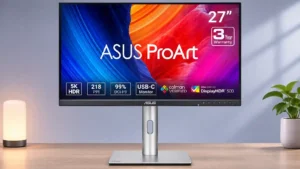
Brightness is a consistent strength, with measurements and hands-on impressions describing a remarkably luminous SDR image. A few color presets limit adjustment, however.
Pros: value for money, Resolution
Cons: HDR performance, refresh rate
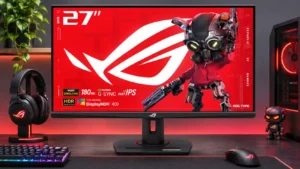
SDR brightness is punchy enough for ordinary indoor gaming and many brighter rooms. Turning on ELMB cuts that headroom substantially.
Pros: value for money, Resolution
Cons: HDR performance, port selection
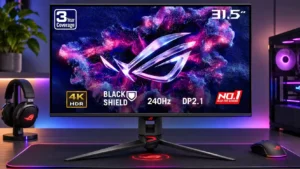
SDR and larger-area HDR brightness have improved over earlier versions, helping colorful games and desktop apps. Several tests still find small-highlight gains modest and OLED television HDR considerably brighter.
Pros: overall satisfaction, black levels
Cons: value for money, stand adjustability
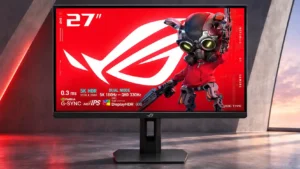
Measurements show strong HDR brightness, but impressions of SDR punch vary; some appreciate the output while others want more headroom.
Pros: Pixel density, Resolution
Cons: GPU demands, HDR performance
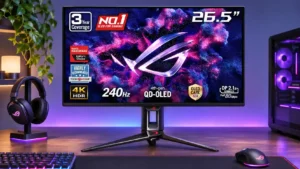
Brightness works well in typical indoor conditions, especially with the right settings. It cannot sustain the luminance of a bright LCD, and large white areas may look subdued.
Pros: sharpness, overall satisfaction
Cons: value for money, VRR flicker
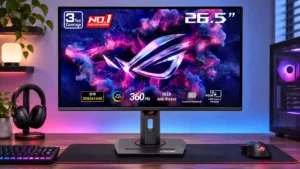
It stands out among several QD-OLED competitors in SDR and can deliver striking small HDR peaks, but broad bright HDR scenes remain comparatively dim.
Pros: color gamut, overall satisfaction
Cons: reflection handling, VRR flicker
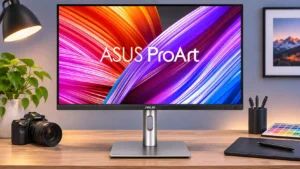
SDR brightness is generally adequate in ordinary workspaces, but some tests place it behind competing monitors. Those in very bright offices may want more headroom.
Pros: USB-C power delivery, port selection
Cons: HDR performance, refresh rate
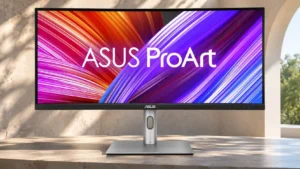
Fine in moderate lighting, but the roughly 300-nit class brightness struggles with sunny rooms and does little to make HDR highlights stand out.
Pros: color accuracy, value for money
Cons: color gamut, black levels
Large bright scenes and full-screen white are less punchy than on some newer competitors, despite strong small highlights and enough SDR output for many users.
Pros: black levels, sharpness
Cons: value for money, brightness