Best for Dual-monitor workstations
Dell U4025QW
5.0 attribute score
Highest scored product for this attribute based on supporting review evidence.

Highest scored product for this attribute based on supporting review evidence.
Balances the attribute score, supporting reviews, and overall product strength.
Has the broadest review evidence for this attribute.
Strongest overall product among items with scored evidence for this attribute.

Virtual screen divisions and picture-by-picture modes recreate many dual-display advantages without a bezel interrupting the workspace.
Pros: overall picture quality, color accuracy
Cons: value for money, built-in speakers
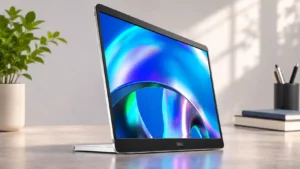
A simple, portable way to regain two-screen productivity in places where a full desk setup is impossible.
Pros: brightness, portability and weight
Cons: value for money, port selection
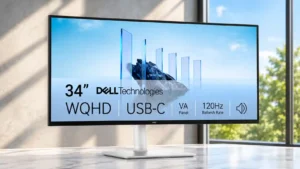
Several windows fit on one seamless screen, which can replace the awkward break between paired monitors.
Pros: overall satisfaction, screen size
Cons: stand adjustability, Photo editing
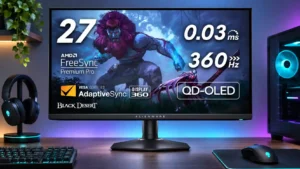
Its size and relatively compact base can work well within a multi-monitor workstation, although the OLED and text tradeoffs still apply.
Pros: competitive gaming suitability, color gamut
Cons: brightness, HDMI 2.1 support
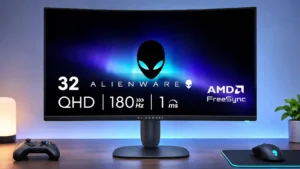
A mixed-resolution multi-monitor desk can accommodate it well; the 1440p panel proved easier to combine with two 1080p displays.
Pros: value for money, overall satisfaction
Cons: HDR performance, Headphone output quality
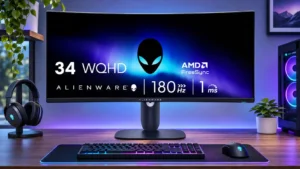
The large continuous workspace is convenient for multiple windows, but a true pair of independent displays still offers different flexibility.
Pros: ultrawide gaming experience, black levels
Cons: HDR performance, viewing angles

Two matched screens can make a tidy work surface, especially with flexible stands and downstream video connections. However, some configurations struggle with bandwidth or visible panel tint differences.
Pros: port selection, USB hub functionality
Cons: competitive gaming suitability, motion clarity

Thin bezels and easy portrait rotation suit multi-screen workstations, although one user found greenish tint differences between paired units.
Pros: value for money, Resolution
Cons: port selection, competitive gaming suitability
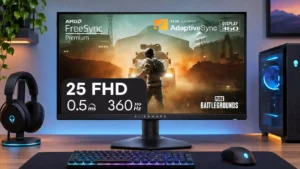
The portrait-capable panel can serve as a supplementary display, but its strongest attraction remains gaming responsiveness.
Pros: competitive gaming suitability, stand adjustability
Cons: color gamut, contrast
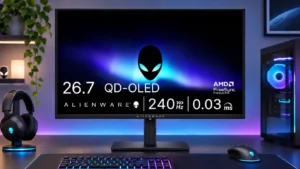
The basic multi-monitor alignment tool is helpful, although this is not a productivity-focused docking display.
Pros: value for money, panel type
Cons: brightness, port selection
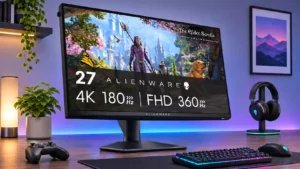
The restrained design and narrow bezels fit paired-monitor desks, but uneven white corners can be more noticeable next to a second IPS screen.
Pros: Resolution, refresh rate
Cons: HDR performance, contrast
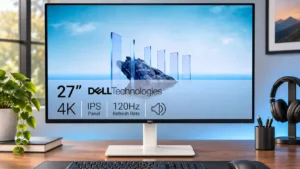
It can work well as one of two sharp 4K office displays when each monitor is connected conventionally. Dock-based pairs may require troubleshooting to achieve 120Hz on both screens.
Pros: value for money, Resolution
Cons: port selection, HDR performance