Best for wireless performance
Keychron Q1 Ultra 8K
5.0 attribute score
Highest scored product for this attribute based on supporting review evidence.

Highest scored product for this attribute based on supporting review evidence.
Balances the attribute score, supporting reviews, and overall product strength.
Has the broadest review evidence for this attribute.
Strongest overall product among items with scored evidence for this attribute.
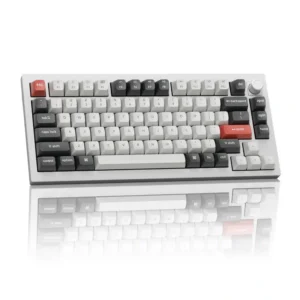
The 2.4GHz connection is repeatedly described as wired-like and stable, while Bluetooth also works reliably for lower-power everyday use.
Pros: build quality, overall satisfaction
Cons: portability, ergonomics

Wireless performance was one of the strongest areas, with reviewers repeatedly reporting stable, drop-free, low-latency operation.
Pros: typing feel, design aesthetics
Cons: value for money, materials quality

Wireless performance was praised as effectively wired-feeling, with reviewers saying wireless was indistinguishable from wired use.
Pros: typing feel, design aesthetics
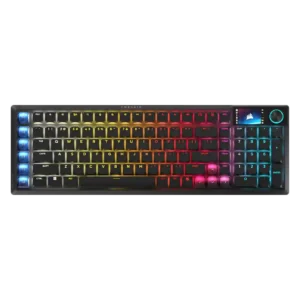
Slipstream wireless is a major strength, delivering stable, responsive, high-polling operation with virtually no perceived compromise versus wired mode.
Pros: overall satisfaction, macro customization
Cons: value for money, software quality

Wireless performance was broadly praised as stable, fast, and lag-free, with multiple reviewers trusting the 2.4GHz mode for gaming.
Pros: gaming performance, switch feel
Cons: value for money, extra gaming features
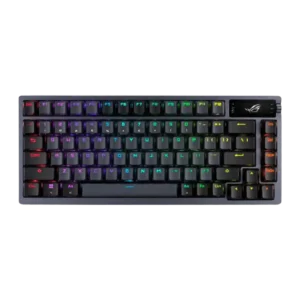
Wireless performance was strongly praised, with reviewers reporting no lag, no dropouts, fast SpeedNova behavior, and long-term wireless reliability.
Pros: switch feel, typing feel
Cons: software quality, volume control

Wireless performance was praised as lag-free or effectively free of noticeable input lag in reviewer testing.
Pros: size and form factor, typing feel
Cons: switch options, portability
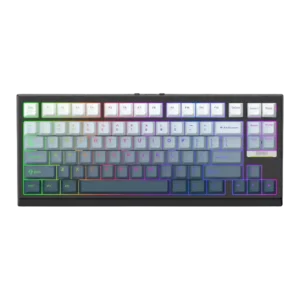
Wireless performance was praised in the work and gaming context, especially rock-solid Bluetooth and snappy 2.4GHz gaming.
Pros: gaming performance, key responsiveness
Cons: compatibility
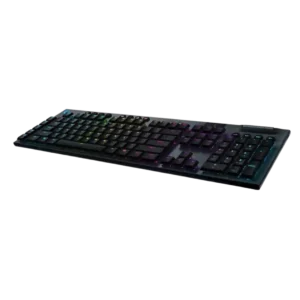
Wireless performance is one of the clearest strengths, with many reviewers describing Lightspeed as wired-like, reliable, fast, and lag-free.
Pros: battery life, wireless performance
Cons: value for money, wrist rest quality
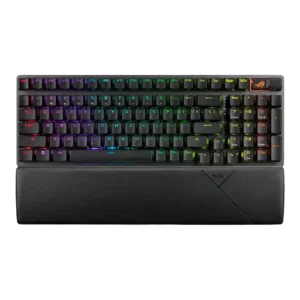
Wireless performance is strongly positive overall, with reviewers reporting stable, fast, low-lag 2.4GHz use and only small Bluetooth caveats.
Pros: switch feel, typing feel
Cons: software quality, key spacing

Wireless performance was one of the strongest consensus points, with Lightspeed repeatedly described as stable, rock solid, and essentially lag-free.
Pros: switch feel, battery life
Cons: volume control, media controls

Wireless performance was praised for issue-free Bluetooth and 2.4GHz use.
Pros: value for money, build quality
Cons: switch options, hot-swappable switches
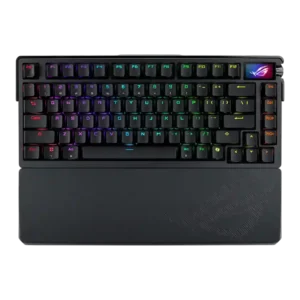
Wireless performance was consistently strong, with reviewers reporting stable, flawless, or very consistent wireless behavior.
Pros: build quality, customization options
Cons: value for money, rapid trigger support

Wireless performance was repeatedly praised as stable, lag-free, and reliable over 2.4GHz or Bluetooth in normal use.
Pros: software quality, switch feel
Cons: legend visibility, extra gaming features

Wireless performance is strong overall, with reviewers praising stable 2.4GHz behavior, while Bluetooth delay is mentioned as a minor limitation.
Pros: portability, value for money
Cons: software quality, key spacing
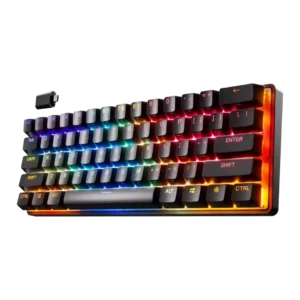
Wireless performance was consistently strong, with reviewers reporting solid connections, no hiccups, no noticeable lag, and rock-solid performance.
Pros: gaming performance, key responsiveness
Cons: value for money, extra gaming features

Wireless performance was one of the strongest positives, with reviewers repeatedly describing Lightspeed as low-latency, stable, and close to wired.
Pros: value for money, battery life
Cons: hot-swappable switches, noise level
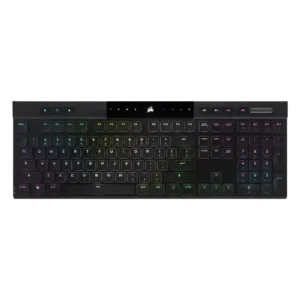
Wireless performance was strongly praised for Slipstream reliability, low latency, and lack of noticeable lag.
Pros: battery life, switch feel
Cons: value for money, ease of switch replacement
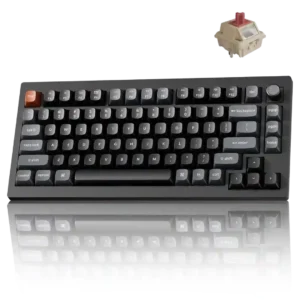
The 2.4GHz connection delivered responsive, hiccup-free gaming, while ZMK improves Bluetooth efficiency. Bluetooth favors battery life over speed, and 2.4GHz does not match the headline endurance claim.
Pros: gaming performance, overall satisfaction
Cons: polling rate, frame rigidity
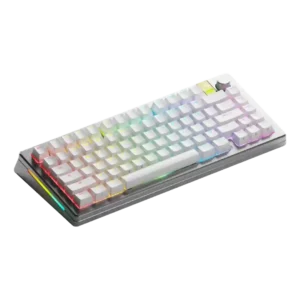
Wireless performance was praised by reviewers who reported no connectivity issues, no lag, and strong wireless behavior.
Pros: customization options, gaming performance
Cons: value for money, software quality
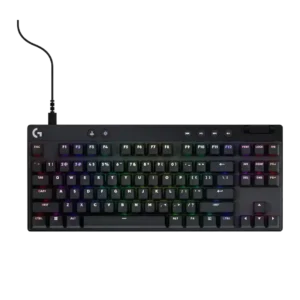
Wireless performance is a major strength when Lightspeed is present, with reviewers citing stable, fast, low-latency performance.
Pros: build quality, software quality
Cons: value for money, hot-swappable switches

Wireless performance was praised as accurate, responsive, and capable for wireless gaming.
Pros: build quality, switch feel
Cons: switch options

Wireless performance was positive where tested, with good wireless battery impressions and quick wake behavior.
Pros: customization options, design aesthetics
Cons: switch options, key spacing

Wireless performance is generally strong, especially over 2.4GHz, with reviewers reporting no obvious lag and easy device switching.
Pros: value for money, typing feel
Cons: software quality, reliability
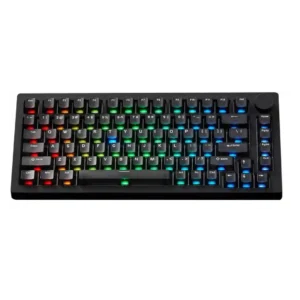
Wireless performance is mostly strong, with stable 2.4GHz/Bluetooth results and low wireless latency, though one review noted Bluetooth wake delays.
Pros: build quality, customization options
Cons: reliability
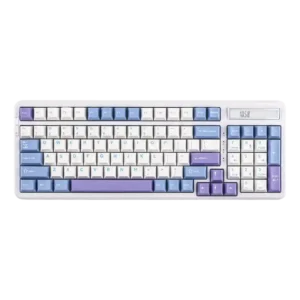
Wireless performance was positive overall, with reviewers citing stability, negligible Bluetooth impact, durable range and multi-device use.
Pros: RGB customization, keycap quality
Cons: frame rigidity, switch options
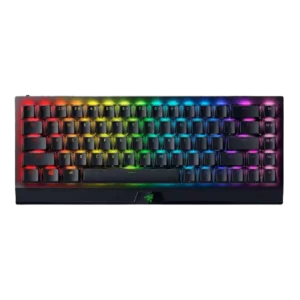
Wireless performance was usually excellent on HyperSpeed, but the unified dongle, Bluetooth, or interference produced notable negative cases in some reviews.
Pros: size and form factor, switch feel
Cons: value for money, battery life
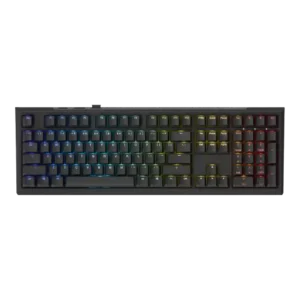
Wireless performance was mostly responsive in positive reviews, but battery life and the usefulness of wireless for a latency-focused keyboard were questioned.
Pros: value for money, gaming performance
Cons: software quality, customization options

Wireless performance is mostly strong, with praise for low latency and no input delay, but Windows Central experienced occasional disconnects.
Pros: typing feel, gaming performance
Cons: software quality, value for money

Wireless performance is mostly strong in 2.4GHz mode, with low latency and solid consistency, though setup or wake issues hurt a couple of reviews.
Pros: value for money, software quality
Cons: switch options, ergonomics

Bluetooth and 2.4GHz are generally reliable, but one customer reported a failed dongle, so confidence is high rather than flawless.
Pros: overall satisfaction, build quality
Cons: portability, reliability
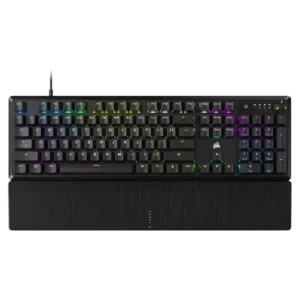
Wireless performance evidence came from the TKL Wireless review, which noted the wireless mode could exceed wired polling, though the gain was small.
Pros: value for money, typing feel
Cons: wrist rest quality, media controls

Wireless performance was generally solid, though one reviewer noticed rare Bluetooth lag, keeping the score below flawless.
Pros: build quality, keycap quality
Cons: switch options, portability

Wireless performance received positive evidence from a reviewer who found the wireless functionality impressive and quick to reconnect.
Pros: customization options, build quality
Cons: connectivity

Wireless performance was mixed: many reviewers had flawless Bluetooth/2.4GHz use, while others saw wake delay or 2.4GHz bugginess.
Pros: value for money, design aesthetics
Cons: cable quality, ergonomics

Wireless performance was mixed: some reviewers found Bluetooth and 2.4GHz stable, while others saw Bluetooth issues, dongle errors, or sporadic disconnections.
Pros: battery life, portability
Cons: volume control, switch options

Wireless performance was mixed, with one reviewer reporting dongle issues while others found wireless latency or claimed battery behavior acceptable.
Pros: value for money, rapid trigger support
Cons: media controls, stabilizer quality
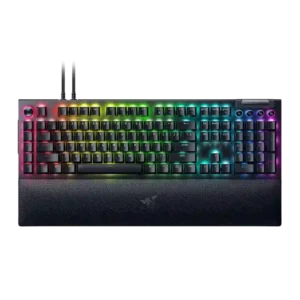
Wireless performance evidence came from 75% Pro reviews and was mixed: wireless controls and performance were useful, but battery tradeoffs reduced appeal.
Pros: value for money, wrist rest quality
Cons: software quality, ergonomics

Wireless performance was mixed: Bluetooth was often stable for productivity, but sleep delays, input lag, and competitive-gaming limitations were repeated concerns.
Pros: portability, build quality
Cons: value for money, ergonomics
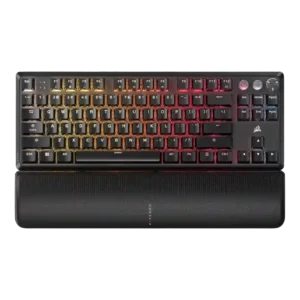
Wireless performance was mostly a limitation for wired models, though the Mini Wireless evidence reported no wireless signal issues.
Pros: value for money, keycap quality
Cons: polling rate, acoustics
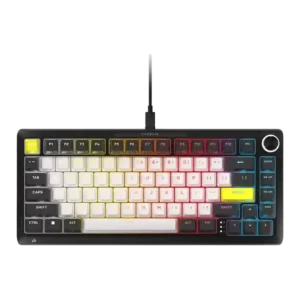
Wireless evidence was mixed: some reviews praised or described strong wireless behavior, but most criticized wireless as optional, costly, or absent by default.
Pros: typing feel, build quality
Cons: value for money, wireless performance

There is no wireless mode, and that absence is one of the most repeated complaints. Reviewers particularly miss Bluetooth because the compact keyboard would otherwise be easy to travel with.
Pros: overall satisfaction, customization options
Cons: value for money, switch options
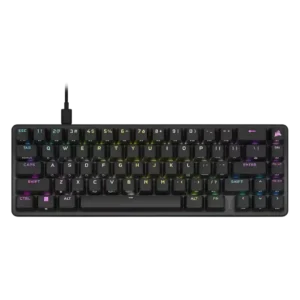
Wireless received a low score because reviewers framed the absence of wireless connectivity as a missed opportunity.
Pros: sound dampening, value for money
Cons: ergonomics, polling rate
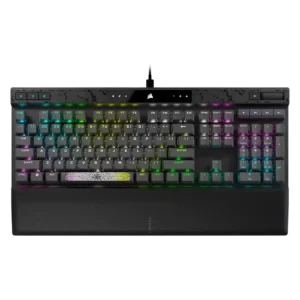
Wireless performance scored poorly because one reviewer treated the lack of wireless capability as a major downside for casual users.
Pros: customization options, gaming performance
Cons: value for money, noise level
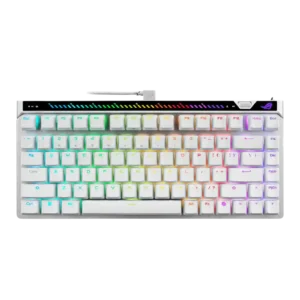
Wireless performance was a major weakness because the keyboard lacks wireless operation despite premium pricing.
Pros: switch feel, customization options
Cons: value for money, wireless performance

Wireless performance was a weakness because reviewers explicitly noted the lack of 2.4GHz or Bluetooth as a drawback for cable-free users.
Pros: sound dampening, switch feel
Cons: reliability, rapid trigger support
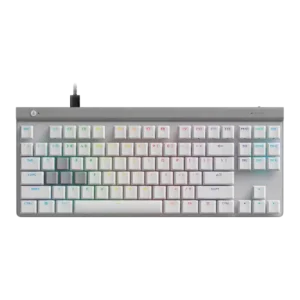
Wireless performance scored poorly because reviewers treated the complete lack of wireless connectivity as a major lost convenience.
Pros: build quality, gaming performance
Cons: typing feel, typing comfort

Wireless performance scored poorly because reviewers consistently criticized the lack of wireless connectivity rather than evaluating wireless operation.
Pros: software quality, build quality
Cons: value for money, connectivity