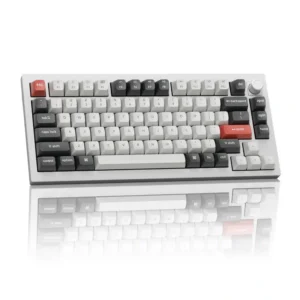
The 2.4GHz connection is repeatedly described as wired-like and stable, while Bluetooth also works reliably for lower-power everyday use.
Pros: build quality, overall satisfaction
Cons: portability, ergonomics

The 2.4GHz connection is repeatedly described as wired-like and stable, while Bluetooth also works reliably for lower-power everyday use.
Pros: build quality, overall satisfaction
Cons: portability, ergonomics
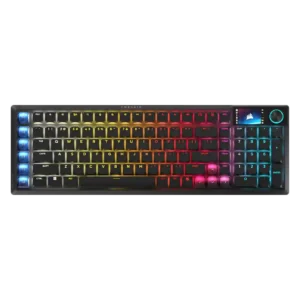
Slipstream wireless is a major strength, delivering stable, responsive, high-polling operation with virtually no perceived compromise versus wired mode.
Pros: overall satisfaction, macro customization
Cons: value for money, software quality
Wireless performance was praised in the work and gaming context, especially rock-solid Bluetooth and snappy 2.4GHz gaming.
Pros: gaming performance, key responsiveness
Cons: compatibility
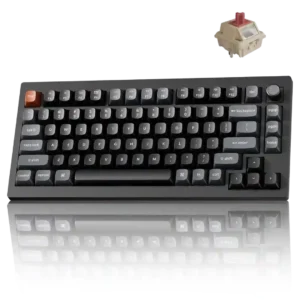
The 2.4GHz connection delivered responsive, hiccup-free gaming, while ZMK improves Bluetooth efficiency. Bluetooth favors battery life over speed, and 2.4GHz does not match the headline endurance claim.
Pros: gaming performance, overall satisfaction
Cons: polling rate, frame rigidity
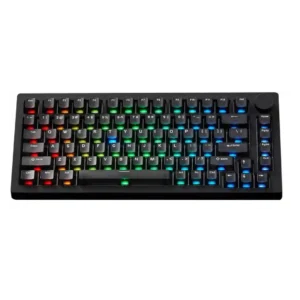
Wireless performance is mostly strong, with stable 2.4GHz/Bluetooth results and low wireless latency, though one review noted Bluetooth wake delays.
Pros: build quality, customization options
Cons: reliability
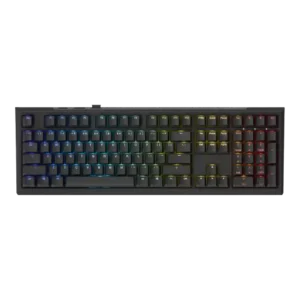
Wireless performance was mostly responsive in positive reviews, but battery life and the usefulness of wireless for a latency-focused keyboard were questioned.
Pros: value for money, gaming performance
Cons: software quality, customization options
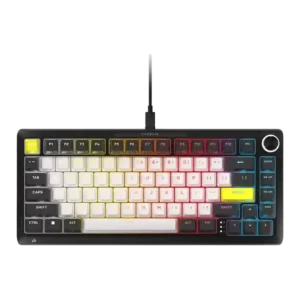
Wireless evidence was mixed: some reviews praised or described strong wireless behavior, but most criticized wireless as optional, costly, or absent by default.
Pros: typing feel, build quality
Cons: value for money, wireless performance
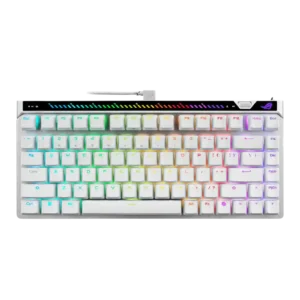
Wireless performance was a major weakness because the keyboard lacks wireless operation despite premium pricing.
Pros: switch feel, customization options
Cons: value for money, wireless performance