#1
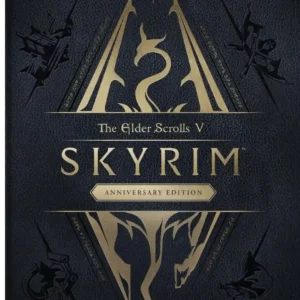
Exploration is Skyrim’s clearest consensus strength. Roads, caves, ruins, random encounters, hidden quests, scenery, and unexpected detours constantly reward curiosity and make simple travel feel like play.
Pros: graphics quality, progression system
Cons: combat system, bug frequency
#2
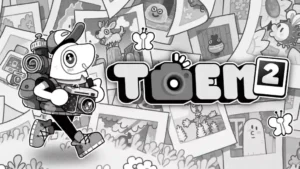
Wandering is one of TOEM 2’s strongest pleasures, with compact areas packed with optional discoveries and reasons to inspect every corner. New vertical movement makes the spaces more rewarding to...
Pros: game length, gameplay mechanics
Cons: innovation, difficulty balance
#3
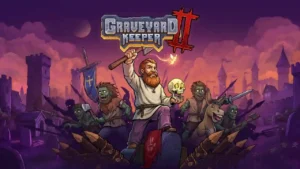
Exploration is one of the most consistently praised parts of the game. Wandering off the obvious path regularly leads to useful discoveries, unlocks, and a strong sense of reward.
Pros: fun factor, core gameplay loop
Cons: grind level, learning curve
#4
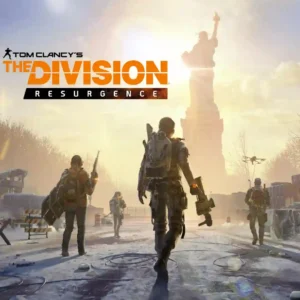
Roaming patrols, events, safe houses, and side activities frequently pull players away from their planned route in an enjoyable way.
Pros: content variety, controls responsiveness
Cons: narrative quality, menu usability
#5
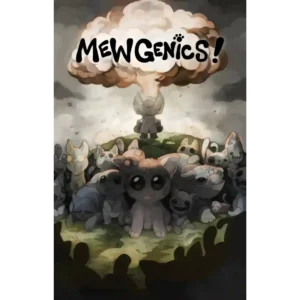
New routes, biomes, hidden areas, and unusual encounters make discovery a strong motivator, especially as the game keeps revealing fresh locations far beyond the early acts.
Pros: combat system, soundtrack quality
Cons: difficulty balance, learning curve
#6

Exploring SiN’s varied spaces is part of the fun, especially when alternate routes, secret areas, and interactive objects reward curiosity.
Pros: remake/remaster quality, overall quality
Cons: level design, map and navigation design
#7
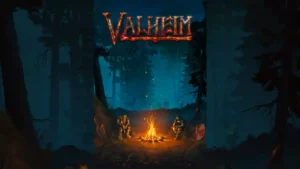
Exploration is one of Valheim's clearest strengths, with land, sea, procedural worlds, and distinct biomes constantly giving players reasons to push farther and return again.
Pros: town-building system, exploration quality
Cons: grind level, fast travel convenience
#8
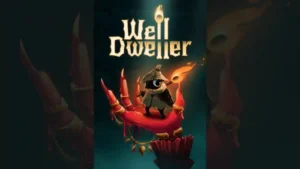
Exploration is one of the clearest strengths. Reviewers repeatedly describe the world as rewarding to comb through, with secrets, movement upgrades, collectibles, and shortcuts making backtracking worthwhile.
Pros: difficulty balance, boss design
Cons: innovation, sandbox freedom
#9

Exploration is the most consistently celebrated part of the experience: distant landmarks invite detours, hidden areas reward curiosity, and repeated playthroughs still reveal places, quests, and encounters reviewers missed before.
Pros: performance optimization, frame rate stability
Cons: controller ergonomics, platform-specific feature support
#10

Exploration is a major strength, with secrets, resources, unusual encounters, and tangible rewards tucked across a surprisingly large town. Curiosity is consistently encouraged and usually pays off.
Pros: combat system, difficulty balance
Cons: progression system, bug frequency
#11
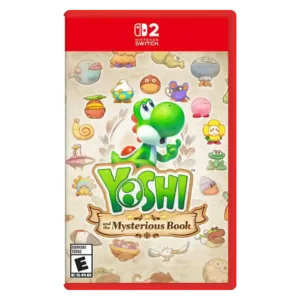
Exploration is the heart of the game, rewarding curiosity with secrets, creature reactions, and unexpected solutions. Reviewers consistently found the discovery process satisfying and inviting.
Pros: art direction, exploration quality
Cons: difficulty balance, core gameplay loop
#12

Exploration is a major strength because discovery, creature abilities, secrets, rare spawns, puzzles, and weather conditions all feed back into the collecting loop.
Pros: fun factor, gameplay mechanics
Cons: monetization fairness, menu usability
#13
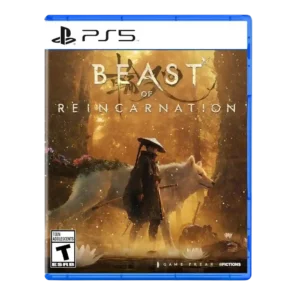
Exploration is one of the strongest early impressions, thanks to vertical movement, secrets, hidden paths, and striking ruined environments. The open zones consistently invite detours without losing the main route.
Pros: combat system, companion AI
#14
Portofiro rewards curiosity with hidden routes, interconnected quests, memorable residents, and environmental storytelling. Sparse guidance can make that freedom feel disorienting for some players.
Pros: narrative quality, writing quality
Cons: pacing, bug frequency
#15

Exploration is one of the strongest areas, with reviewers repeatedly saying Japan rewards aimless driving, discovery, and open-world touring.
Pros: graphics quality, driving mechanics
Cons: world interactivity, AI behavior
#16
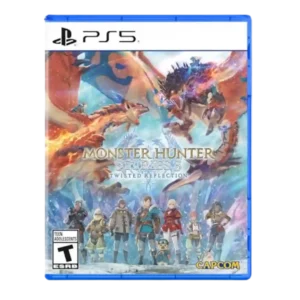
Exploration is a major strength: open zones reward curiosity with hidden paths, dens, collectibles, rare monsters, and traversal routes without feeling excessively bloated.
Pros: combat system, narrative quality
Cons: difficulty balance, grind level
#17
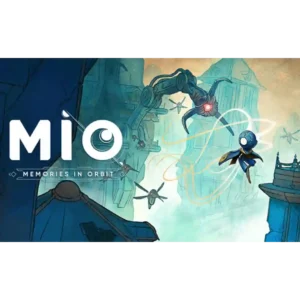
Exploration is one of MIO’s biggest strengths, with secret routes, optional areas, shortcuts, collectibles, and ability-gated returns rewarding curiosity. The Vessel often feels worth wandering even when navigation is deliberately...
Pros: movement feel, originality
Cons: difficulty balance, combat system
#18
Uncovering the map and recognizing hidden world puzzles can rival the pleasure of solving individual rooms. A less enthusiastic account finds newly opened routes bland.
Pros: overall quality, puzzle design
Cons: narrative quality, difficulty balance
#19
Exploration was praised for hidden paths, secrets, and optional areas that reward revisiting biomes.
Pros: narrative quality, combat system
Cons: side character depth, dialogue quality
#20
Exploration is rewarding when it reveals hidden quests, lore, ruins, gear, or routes opened by vampire powers. The compact world and supernatural traversal encourage curiosity without requiring constant time expenditure.
Pros: combat system, fun factor
Cons: content variety, polish
#21
Exploration is one of the strongest areas, with reviewers praising Gotham as inviting, rewarding, dense, vertical, and fun to move through.
Pros: combat system, exploration quality
#22
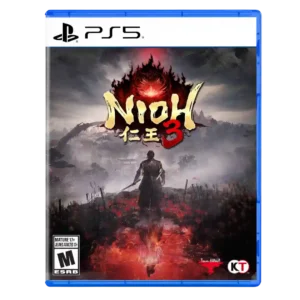
Exploration was consistently praised as rewarding, meaningful, and strongly tied to progression, though a few reviewers noted checklist fatigue.
Pros: combat system, open-world design
Cons: narrative quality, performance optimization
#23
Exploration is a major draw thanks to vertical movement, hidden routes, bespoke side stories, and dense environmental storytelling. Confusing entrances and map limitations occasionally turn discovery into circling the same...
Pros: combat system, narrative quality
Cons: boss design, map and navigation design
#24
Exploration is consistently rewarding thanks to treasure, side quests, fishing spots, NPCs, and optional encounters. Reviewers like that wandering off the main route usually produces something worthwhile.
Pros: combat system, narrative quality
Cons: pacing, onboarding experience
#25
Getting out on foot, finding landmarks, visiting points of interest, and roaming a large two-city map adds welcome variety beyond driving fixed routes.
Pros: open-world design, fun factor
Cons: AI behavior, polish
#26
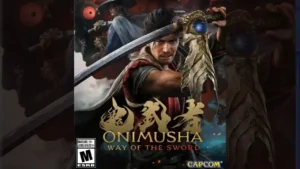
Exploration can be rewarding when it leads to charms, upgrade materials, myths, portals, or secrets. The strongest praise comes from reviewers who enjoyed searching every corner despite reservations about the...
Pros: combat system, fun factor
Cons: pacing, open-world design
#27

Hidden notes, bonus areas, secret rooms, and alternate routes reward checking beyond the obvious path. Exploration is one of the stronger reasons to slow down in an otherwise fast platformer.
Pros: replay value, difficulty balance
Cons: game length, boss design
#28

Dungeon delving becomes highly rewarding when good items, positioning, and risk management come together into a successful run.
Pros: graphics quality, core gameplay loop
Cons: difficulty balance, remake/remaster quality
#29
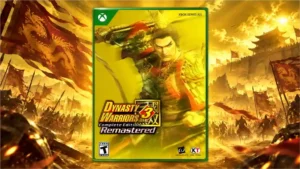
The upgraded scenery makes simply riding around and taking in the maps enjoyable enough to become a break from combat.
Pros: remake/remaster quality, graphics quality
Cons: difficulty balance, voice acting
#30
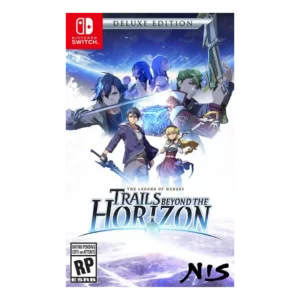
Exploration quality received focused praise from one reviewer who found Calvard a wonderful location to revisit and explore.
Pros: narrative quality, combat system
Cons: onboarding experience, pacing
#31

Neon streets, hidden routes, waterways, and residents' stories make wandering a major attraction. Time pressure and unclear local directions sometimes interrupt the pleasure of discovery.
Pros: overall quality, shopkeeping system
Cons: performance optimization, pacing
#32
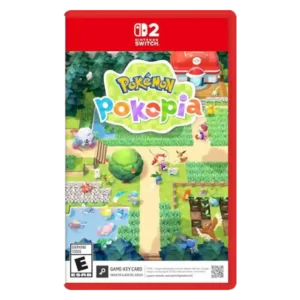
Exploration was widely praised for rewarding curiosity through routes, secrets, lore, vistas, and discoveries.
Pros: core gameplay loop, content variety
Cons: pacing, menu usability
#33
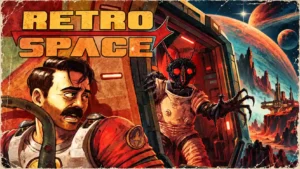
Hidden vents, passwords, ledges, and shortcuts make searching Aurora 5 the most consistently praised activity. Minimal guidance rewards patient discovery but can turn later backtracking or time-shifted revisits into frustrating...
Pros: overall quality, art direction
Cons: map and navigation design, difficulty balance
#34

Exploration is expected to feel richer through denser locations, more expansive underwater areas, and a more seamless Caribbean.
Pros: graphics quality, remake/remaster quality
Cons: DLC value, multiplayer design
#35
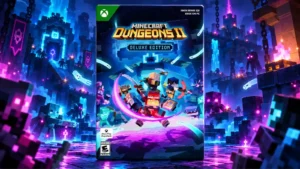
Secrets, chests, optional dungeons, and Sift rifts reward wandering off the main path; the connected map adds a welcome sense of discovery.
Pros: open-world design, graphics quality
Cons: narrative quality, endgame content
#36

Searching interconnected rooms for supplies, notes, and secrets makes exploration rewarding. The strongest areas encourage attention to the environment while maintaining an uneasy sense of danger.
Pros: faithfulness to franchise, narrative quality
Cons: combat system, boss design
#37
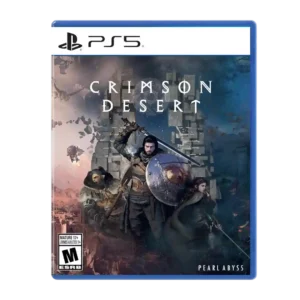
Reviewer evidence is positive: exploration quality was generally praised, though some notes were more qualified across 8 review(s).
Pros: combat system, graphics quality
Cons: controls responsiveness, narrative quality
#38
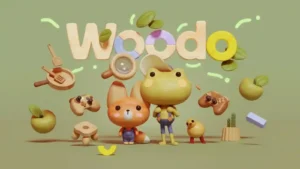
Turning and probing the miniature sets uncovers drawers, rooms and pleasant secrets; taking time to look around pays off.
Pros: art direction, narrative quality
Cons: difficulty balance, replay value
#39
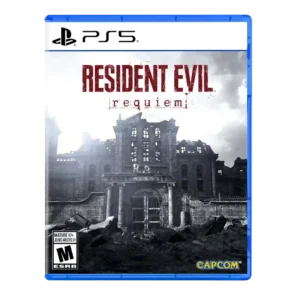
Exploration and backtracking were praised when the layouts made revisiting spaces enjoyable rather than tedious.
Pros: pacing, combat system
Cons: originality
#40
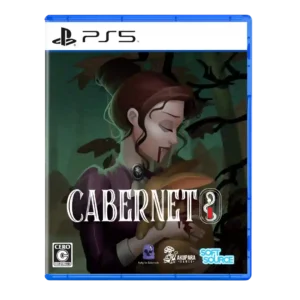
Exploration was strongest when tied to bat traversal, side quests, and optional world discovery, with reviewers generally finding it fun and effective despite a contained world.
Pros: narrative quality, voice acting
Cons: bug frequency, menu usability
#41

New tools regularly turn old dead ends into worthwhile discoveries. Many enjoy following those leads, although prolonged backtracking and low-value detours frustrate some players.
Pros: overall quality, atmosphere
Cons: boss design, movement feel
#42
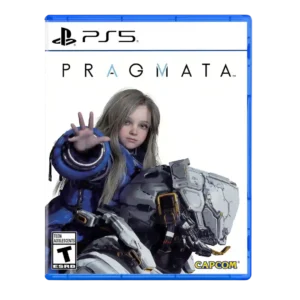
Exploration is generally rewarding thanks to hidden paths, collectibles, secrets, and backtracking incentives, although weak maps and pathing sometimes undercut it.
Pros: combat system, emotional impact
Cons: map and navigation design, platforming precision
#43

Exploration is one of the more successful deviations from a standard brawler. Branching rooms, keys, loot and backtracking add interest, though missable progression items and one-way paths can make searching...
Pros: fun factor, faithfulness to franchise
Cons: combat system, game length
#44

The exploration quality is generally well received, with praise outweighing the smaller reservations raised across the reviews.
Pros: narrative quality, fun factor
Cons: grind level, learning curve
#45
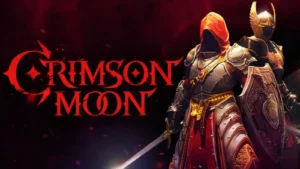
Exploration is generally enjoyable, with vertical spaces, side paths, secrets, and lore pickups rewarding curiosity. Some larger areas can still feel sparse.
Pros: value for money, combat system
Cons: camera behavior, content variety
#46
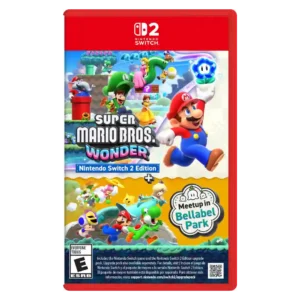
Secrets, collectibles, and optional discoveries remain enjoyable reasons to explore and replay stages, with solo play often preferred when hunting everything down. Bellabel Park adds more things to collect, though...
Pros: fun factor, multiplayer design
Cons: matchmaking quality, map and navigation design
#47
Exploration is the game's biggest point of disagreement. Its interconnected routes, secrets, upgrades, and discovery loop can be deeply rewarding, but weak guidance, backtracking, dark visibility, and map problems can...
Pros: atmosphere, exploration quality
Cons: map and navigation design, bug frequency
#48
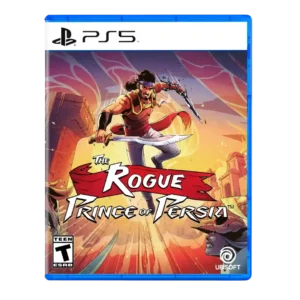
Exploration was usually rewarding thanks to hidden paths, nonlinearity, and satisfying traversal, though one review found it merely okay.
Pros: combat system, movement feel
Cons: narrative quality, difficulty balance
#49
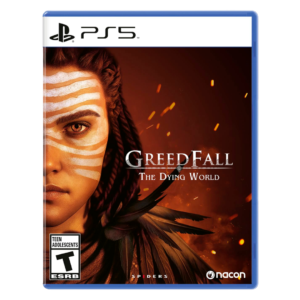
Exploration is generally rewarding, with larger regions, distinctive cities, side paths, loot, and multiple quest routes. Backtracking, sparse stretches, or scripted paths can make traversal drag in weaker sections.
Pros: narrative quality, side character depth
Cons: combat system, polish
#50
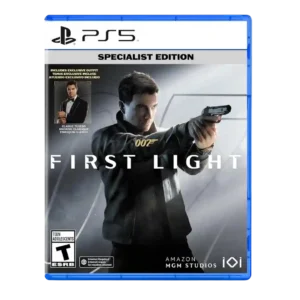
Exploration evidence is limited but positive, centered on uncovering hidden opportunities and alternate approaches within mission spaces.
Pros: stealth mechanics, combat system
Cons: pacing
