If you want better combat system
Choose Shinobi: Art of Vengeance. It scores 4.9 vs 4.1 for combat system, with a 4.4 overall score.

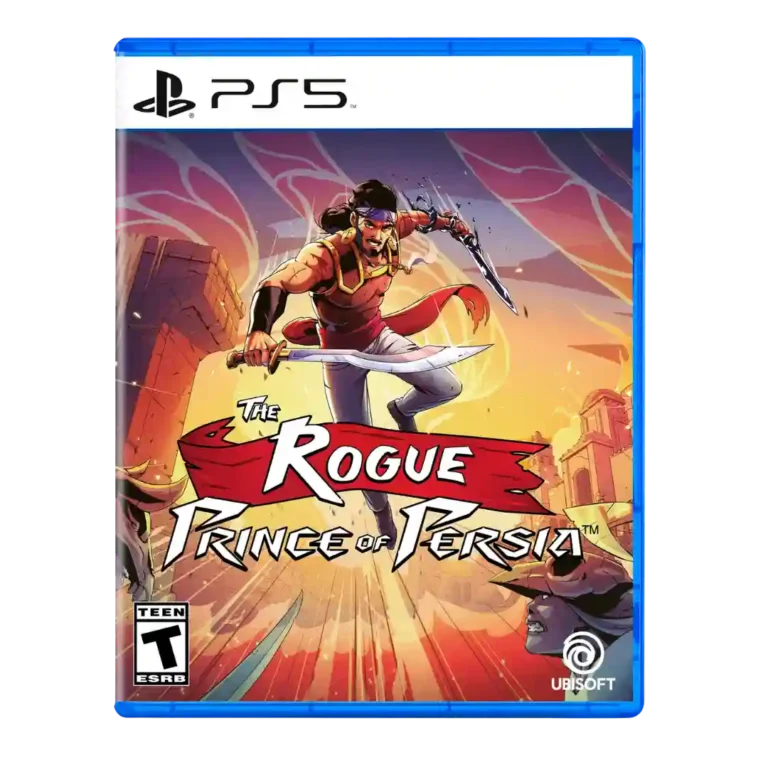
Choose The Rogue Prince of Persia for slick parkour, strong combat flow, and a standout soundtrack. Skip it if you need deep storytelling, huge endgame variety, or flawless technical polish.
Best for players who want a fast, movement-first roguelite where wall-running, vaulting, and short runs matter more than dense storytelling. It also suits Prince of Persia fans who value parkour identity and newcomers who want an approachable challenge.
Not for players seeking Hades-level character writing, deep endgame variety, multiplayer, or a roguelite built around heavy buildcraft. It may also frustrate players sensitive to load times or repeated dialogue.
The review set points to a polished, movement-first roguelite whose best moments come from chaining wall-runs, vaults, kicks, and attacks into a fast rhythm. Combat is generally satisfying and bosses often use the parkour identity well, while the soundtrack and art direction give runs strong personality. The tradeoff is that the surrounding roguelite scaffolding is not equally strong: narrative, dialogue, side characters, and some build systems draw repeated criticism, and several reviewers wanted more content or deeper long-term variety. Final-release impressions are notably more enthusiastic than early-access ones, especially on Switch 2, but platform load times and occasional UI or online annoyances still appear.
Compared with other Video Games, this product is above average in HUD clarity, crash stability, platforming precision, near average in soundtrack quality, combat system, below average in visual effects quality, voice acting, emotional impact.
| Attribute | This product | Category average | Difference |
|---|---|---|---|
| visual effects quality | 2.0 | 4.3 | -2.3 |
| HUD clarity | 5.0 | 3.1 | +1.9 |
| crash stability | 5.0 | 3.1 | +1.9 |
| voice acting | 2.2 | 4.0 | -1.8 |
| emotional impact | 2.4 | 4.2 | -1.8 |
| innovation | 2.2 | 3.9 | -1.7 |
| character development | 2.0 | 3.7 | -1.7 |
| platforming precision | 4.5 | 3.2 | +1.3 |
Choose Shinobi: Art of Vengeance. It scores 4.9 vs 4.1 for combat system, with a 4.4 overall score.
Choose Pragmata. It scores 5.0 vs 2.0 for bug frequency, with a 4.3 overall score.
Choose Borderlands 4. It scores 5.0 vs 3.0 for load times, with a 3.6 overall score.
Choose Ghost of Yōtei. It scores 4.9 vs 2.2 for voice acting, with a 4.4 overall score.
Products reviewers directly compared with this model, grouped into quick takeaways.
Reviewers describe it as a blend, but movement and parkour are the defining strengths. Combat works best when it uses vaults, kicks, wall-runs, and environmental hazards.
The story setup and Mind Map structure receive some praise, but many reviewers call the narrative thin or secondary. The consensus is that action carries the experience more than writing.
Most reviews describe it as approachable and fair rather than punishing. Some skilled roguelite players found it too easy or wished for more late-game challenge, though modifiers can add difficulty.
Many reviewers felt the loop had a strong one-more-run pull, especially because movement is fun on its own. Others thought repetition and limited content reduced long-term staying power.
Switch 2 reviews often praised stable 60fps, crisp visuals, and handheld suitability. The main technical complaint was longer-than-expected load times in some impressions.
The most consistent strengths are fluid movement, platforming precision, soundtrack quality, attractive art direction, and satisfying combat flow.
The most repeated weaknesses are thin story, repeated dialogue, shallow side characters, occasional repetition, and some technical or UI annoyances.
These are a few of the reviews included in our analysis.


Best for fluid traversal, rewarding exploration, striking art, and forgiving quality-of-life features. Skip it if you want deep combat, radical genre innovation, or consistently demanding bosses.
Pros: difficulty balance, boss design
Cons: innovation, sandbox freedom

Good if you want fast, tactical roguelite combat with huge progression depth, striking art, and standout music. Skip it if repetition, resource micromanagement, or a less emotionally satisfying sequel story...
Pros: combat system, progression system
Cons: originality

Good if you want a beautiful, demanding survival sandbox built around exploration, building, progression, and memorable co-op. Skip it if long resource runs, harsh death recovery, and deliberate pacing sound...
Pros: town-building system, exploration quality
Cons: grind level, fast travel convenience

Best for joyful destruction, dense exploration, and a charming DK-Pauline adventure. Skip it if camera quirks, frame-rate dips, easy bosses, or premium Switch 2 pricing are dealbreakers.
Pros: fun factor, world interactivity
Cons: frame rate stability, boss design