#1

Compact city layouts reward wandering with side stories, arcades, restaurants, and other discoveries. Reviewers liked how much activity is packed into small spaces, even when the world is modest by...
Pros: narrative quality, combat system
Cons: onboarding experience, difficulty balance
#2

City Trial exploration was praised for rewarding discovery, map knowledge, and new strategies.
Pros: battle mode quality, content variety
Cons: learning curve, competitive balance
#3
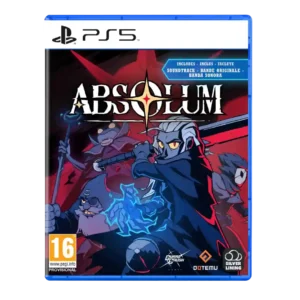
Exploration was a major positive, supported by alternate routes, secrets, handcrafted spaces, and reasons to revisit paths.
Pros: combat system, replay value
Cons: narrative quality, grind level
#4

Exploration was widely praised for rewarding curiosity, hidden routes, dense maps, and environmental discoveries.
Pros: sound design, combat system
Cons: voice acting, menu usability
#5

Exploration is a clear strength, with reviewers highlighting richly rewarded spaces, resources, secrets, and optional discovery.
Pros: core gameplay loop, narrative quality
Cons: crafting system, multiplayer design
#6

Exploration was a major strength, with reviewers enjoying open-ended movement, dense secrets, and constant reasons to poke through each layer.
Pros: fun factor, world interactivity
Cons: frame rate stability, boss design
#7

Exploration is praised when reviewers focus on experimenting with equipment, environmental tricks, and the jungle's hidden options.
Pros: remake/remaster quality, graphics quality
Cons: performance optimization, frame rate stability
#8

Exploration is strongly praised for making Australia exciting, scenic, and rewarding to traverse, especially when routes and vistas click.
Pros: narrative quality, combat system
Cons: difficulty balance, weapon balance
#9

Exploration is one of the strongest areas, often called rewarding, organic, and meaningful, though one dissenting review finds it over-guided.
Pros: combat system, narrative quality
Cons: grind level, innovation
#10
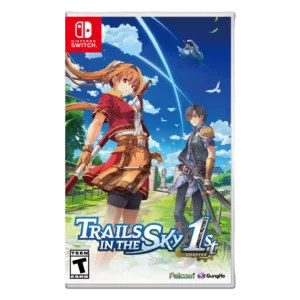
Exploration was praised for scale and connected spaces that made the remade Liberl feel more convincing.
Pros: remake/remaster quality, combat system
Cons: content variety
#11

Exploration was one of the strongest consensus positives, with dense maps, secrets, vertical paths, and constant rewards keeping reviewers engaged.
Pros: combat system, narrative quality
Cons: difficulty balance, enemy variety
#12
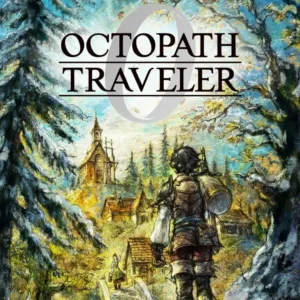
Orsterra rewards wandering with high-level areas, recruits, NPC interactions, optional islands, treasure, and side content. Reviewers often found exploration easy to get absorbed in.
Pros: narrative quality, combat system
Cons: pacing, side character depth
#13
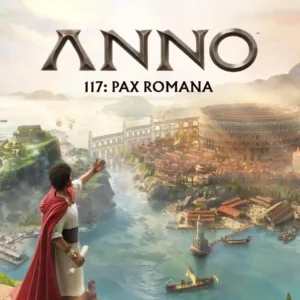
Exploring the provinces is rewarding largely because the islands and cities are so attractive, with Roman and British landscapes giving discovery a strong visual payoff.
Pros: fun factor, graphics quality
Cons: learning curve, bug frequency
#14

Exploration was praised when goals, hidden routes, and level secrets encouraged players to learn maps rather than just chase scores.
Pros: level design, remake/remaster quality
Cons: soundtrack quality, mission design
#15

Exploration is a standout, with most reviewers praising dense secrets, rewarding routes, and curiosity-driven discovery, though a few disliked sparse rewards or risk pressure.
Pros: difficulty balance, art direction
Cons: economy and resource balance, checkpoint system
#16

Exploration was praised for beautiful spaces, meaningful discoveries, and a strong adventuring feel, though harsh systems made some travel demanding.
Pros: combat system, narrative quality
Cons: save system reliability, learning curve
#17

Exploration was the clearest strength across reviews, with praise for curiosity-driven discovery, meaningful leads, and rewarding secrets.
Pros: narrative quality, exploration quality
Cons: combat system, AI behavior
#18
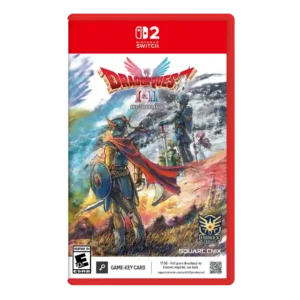
Exploration was generally praised for rewarding secrets, treasure, and open-ended discovery, though one underwater segment was called slow and awkward.
Pros: remake/remaster quality, combat system
Cons: difficulty balance, grind level
#19

Hidden tunnels, rooftop routes, intel, and alternate entrances make discovery a major attraction. Large search areas and easily bypassed tool requirements can turn that promise into unnecessary wandering.
Pros: overall quality, level design
Cons: innovation, mission design
#20
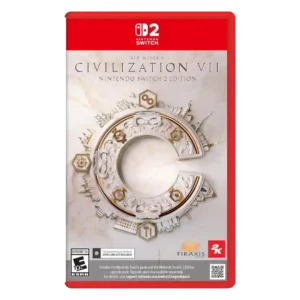
Exploration received praise when maps, scouts, distant lands, and later updates made discovery feel rewarding, though some launch-era opinions were more limited.
Pros: fun factor, economy and resource balance
Cons: progression system, user interface design
#21

Exploration is rewarding when maps reveal vents, tunnels, locked rooms, hidden loot, and secrets. Some early areas become familiar too quickly, reducing the sense of discovery over time.
Pros: fun factor, loot system
Cons: difficulty balance, quest design
#22
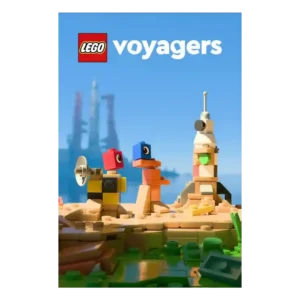
Exploration was praised when side sights, distractions, and small world details encouraged players to linger beyond the main path.
Pros: co-op experience, puzzle design
Cons: controls responsiveness, replay value
#23

Hidden paths and collectibles make revisiting stages rewarding without usually disrupting the pace. A few would like the side areas to be more distinctive or less repetitive.
Pros: overall quality, difficulty balance
Cons: frame rate stability, performance optimization
#24
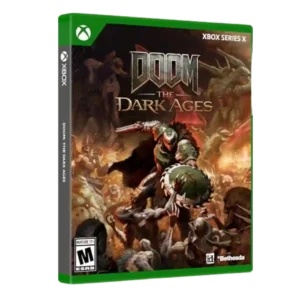
Exploration and secrets were commonly praised as rewarding, though some reviewers disliked backtracking or losing the old teleport/backtrack convenience.
Pros: combat system, weapon balance
Cons: flying mechanics, narrative quality
#25

Exploration is divisive: many enjoy secrets, replayable routes, and rewards, while others find backtracking or Metroidvania-lite detours less compelling.
Pros: combat system, faithfulness to franchise
Cons: narrative quality, frame rate stability
#26

Exploration is one of the game’s biggest draws, rewarding curiosity with memorable locations, side stories, stashes, and emergent danger. Long empty stretches and repetitive rewards can dampen that pull later...
Pros: immersion, fun factor
Cons: bug frequency, AI behavior
#27
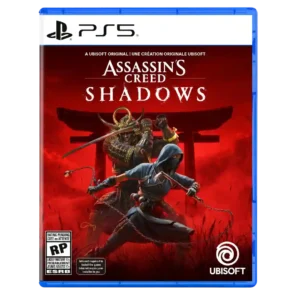
Exploration earns strong praise for discovery, scenery, and organic clue-following, though several reviewers found traversal or repeated activities less satisfying over time.
Pros: stealth mechanics, graphics quality
Cons: narrative quality, mission variety
#28
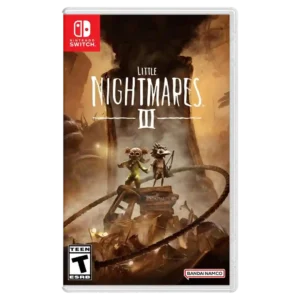
Exploration was praised in selected areas, especially Carnavale and less railroaded spaces, but evidence was limited.
Pros: atmosphere, faithfulness to franchise
Cons: puzzle design, co-op experience
#29

Colonial exploration can be a calmer, satisfying way to play, with gradually lifting fog of war providing a rewarding sense of expansion even when competition for colonies intrudes.
Pros: gameplay mechanics, fun factor
Cons: learning curve, AI behavior
#30

Exploration quality was limited but positively noted in the hands-on review for adding slower searching and environmental interaction between battles.
Pros: combat system, character roster
Cons: level design, mission design
#31

Exploration was generally rewarding and purposeful, though some reviewers found open stretches empty or unrewarding.
Pros: combat system, progression system
Cons: pacing, AI behavior
#32
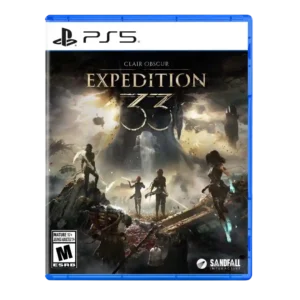
Exploration was generally rewarding through secrets, journals, bosses, and side areas, but several reviewers noted linearity, uneven depth, or trivial overworld movement.
Pros: narrative quality, combat system
Cons: map and navigation design, menu usability
#33
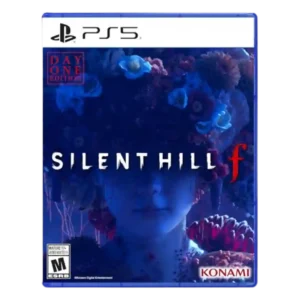
Exploration was usually seen as rewarding and atmospheric, but several reviewers said combat, tight inventory, or enemy pressure made it harder to enjoy freely.
Pros: puzzle design, narrative quality
Cons: combat system, enemy variety
#34
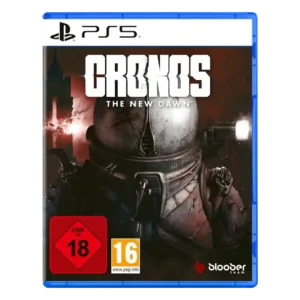
Exploration was commonly seen as rewarding and atmospheric, especially for resources and world detail, though backtracking and inventory friction hurt the flow for some.
Pros: combat system, narrative quality
Cons: boss design, puzzle design
#35

Dropping into Fort Lyndon can make discovery feel exciting, but the launch map could use more reasons to roam once its major points of interest become familiar.
Pros: fun factor, battle mode quality
Cons: multiplayer design, replay value
#36

open-ended segments gave the campaign some limited exploratory value.
Pros: multiplayer design, sound design
Cons: narrative quality, map and navigation design
#37
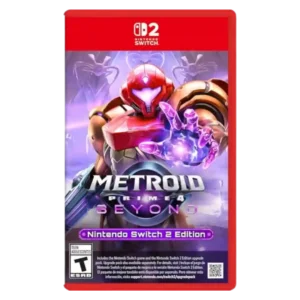
Exploration was strongest in the dungeon-like zones and weakest when the desert hub or heavy guidance interrupted discovery.
Pros: boss design, graphics quality
Cons: open-world design, side character depth
#38

Exploration is rewarding when it leads to loot and side content, but some reviewers find navigation and invisible walls limiting.
Pros: movement feel, loot system
Cons: performance optimization, narrative quality
#39

Exploration was one of the most split attributes, praised for rooftop discoveries and rare Pokémon, but criticized for samey, restricted spaces.
Pros: combat system, exploration quality
Cons: graphics quality, voice acting
#40
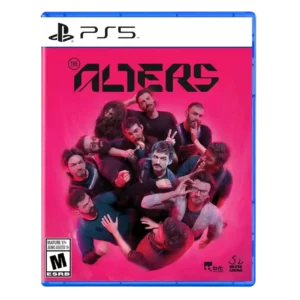
Exploration divided reviewers: several found it atmospheric, tactile, or satisfying, while others found it basic, repetitive, or chore-like.
Pros: narrative quality, replay value
Cons: difficulty balance, pacing
#41

Exploration benefits from faster movement, marked objectives, treasure indicators, and optional detours, but repetitive fields and backtracking keep it from being a universal strength.
Pros: combat system, remake/remaster quality
Cons: animation quality, environmental detail
#42

Exploration quality was split: several reviewers enjoyed discovery and rewarding environments, while others felt autopilot and story rails reduced exploration.
Pros: combat system, narrative quality
Cons: difficulty balance, endgame content
#43

Exploration was mixed: reviewers enjoyed the scenery and light secrets, but several felt linearity and simple detours limited discovery.
Pros: soundtrack quality, narrative quality
Cons: combat system, enemy variety
#44
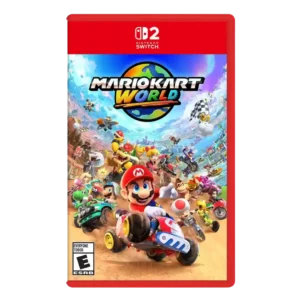
Free Roam exploration split reviewers: some enjoyed its chill sandbox feel, while many found it sparse, repetitive, or light on meaningful activity.
Pros: content variety, soundtrack quality
Cons: open-world design, exploration quality
#45

Exploration is mixed: several reviewers like hidden rewards and shortcuts, but others find exploration limited, stifled, or nearly absent.
Pros: combat system, boss design
Cons: narrative quality, difficulty balance
#46

Exploration is highly mode-dependent. Endgame's Avalon can be enjoyable as a free-form PvE sandbox, but campaign uses of the same space are often described as empty, stretched out, or unrewarding.
Pros: multiplayer design, level design
Cons: fun factor, narrative quality
#47
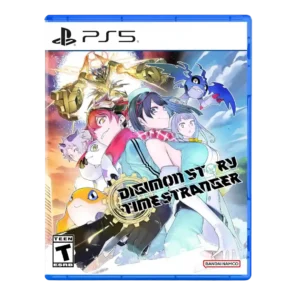
Exploration earned praise for curiosity in the Digital World but criticism for shallow hubs, restrictive pathways, and limited discovery in some areas.
Pros: progression system, narrative quality
Cons: pacing, content variety
#48

Exploration divided reviewers, with one calling object hunting wasteful while another enjoyed moving through the world at a personal pace.
Pros: narrative quality, character development
Cons: pacing, gameplay mechanics
#49
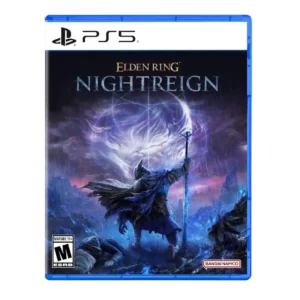
Exploration was divisive: some enjoyed secrets and compact adventures, while others felt time pressure stripped away wonder and experimentation.
Pros: co-op experience, fun factor
Cons: difficulty balance, social features
#50

The streamlined interactive-TV format sacrifices traditional exploration. Reviewers who miss walking around environments see that as a real limitation even while accepting the faster pacing.
Pros: choice impact, narrative quality
Cons: gameplay mechanics, QTE design
