If you want better tutorial quality
Choose Pokemon LeafGreen and FireRed Versions. It scores 4.8 vs 1.8 for tutorial quality, with a 3.9 overall score.

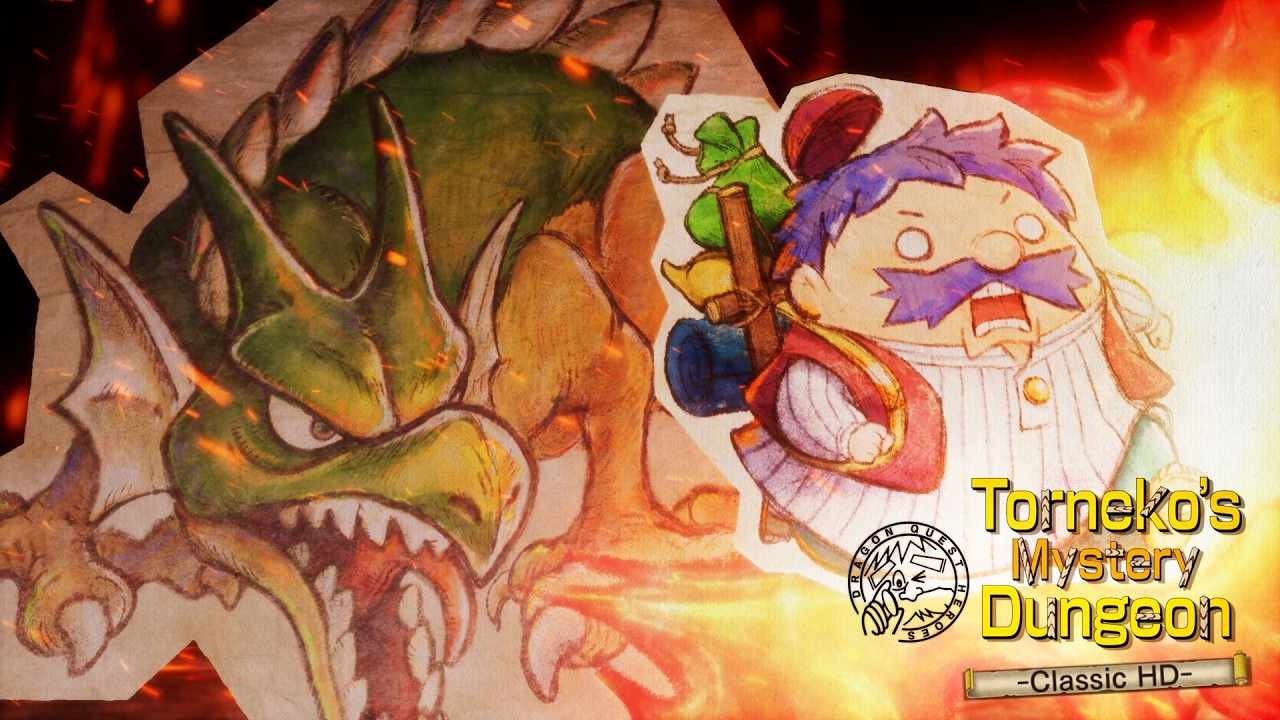
Turn-based fantasy combat includes swords, arrows, spells, poison, explosions, and monsters defeating Torneko, but the presentation is cute and pixel-based rather than graphic.
Choose it for addictive, tactical Mystery Dungeon runs, clever item play, and charming shop progression. Skip it if sluggish text, punishing RNG, sparse story, or a lightly modernized remaster will sour the old-school appeal.
Dragon Quest and Mystery Dungeon fans who enjoy old-school roguelikes, tactical item management, repeated short runs, and visible shop progression. It also fits handheld play well.
Players wanting a story-rich modern roguelite, generous permanent progression, smooth fast pacing, broad language support, or consistent outcomes that minimize RNG.
Torneko’s Mystery Dungeon still shows why the Mystery Dungeon formula became so durable: every step creates a tactical choice, items have clever situational uses, and escaping with treasure to grow the shop makes repeated runs unusually compelling. The 2026 release is much less convincing as a remaster. Reviewers repeatedly flag slow text boxes, input delays, thin modernization, sparse story content, and RNG that can turn strong runs into frustrating losses. Visual opinions range from gorgeous and charming to cheap and washed out, while the soundtrack draws similarly split reactions. Adjustable difficulty settings help soften the old-school punishment, and portable play suits the bite-sized loop well. The result is a historically important, often addictive classic whose core design outshines the care put into this particular rerelease.
Compared with other Video Games, this product is above average in originality, loot system, pause functionality, near average in replay value, accessibility options, below average in achievement list quality, save system reliability, lore depth.
| Attribute | This product | Category average | Difference |
|---|---|---|---|
| achievement list quality | 1.0 | 3.1 | -2.1 |
| save system reliability | 1.0 | 3.0 | -2.0 |
| lore depth | 2.0 | 4.0 | -2.0 |
| pacing | 1.4 | 3.2 | -1.7 |
| level design | 2.0 | 3.8 | -1.8 |
| controls responsiveness | 2.2 | 3.8 | -1.6 |
| content completeness | 2.0 | 3.6 | -1.6 |
| map and navigation design | 1.5 | 3.2 | -1.7 |
Choose Pokemon LeafGreen and FireRed Versions. It scores 4.8 vs 1.8 for tutorial quality, with a 3.9 overall score.
Choose Another Eden Begins. It scores 5.0 vs 2.2 for controls responsiveness, with a 3.6 overall score.
Choose Saros. It scores 5.0 vs 2.5 for value for money, with a 4.3 overall score.
Choose SPRAWL zero. It scores 5.0 vs 4.0 for accessibility options, with a 4.0 overall score.
Products reviewers directly compared with this model, grouped into quick takeaways.
It can be: several reviewers find the simple core easy to grasp and a strong entry point. Others warn that thin tutorial guidance, harsh resets, and RNG can be rough on newcomers, though difficulty modifiers help.
The default game is punishing, with level resets, lost items, dangerous enemy combinations, and runs that can swing on item drops. Reviewers disagree on fairness, but the remaster includes settings that can reduce enemies and increase EXP, gold, or item drops.
It adds an official English localization, refreshed 2D/3D visuals, balance and quality-of-life options, and Steam-only viewer interaction. Many reviewers still call the overall modernization barebones, especially because of slow text and interface friction.
Yes, procedural floors and item combinations make runs play differently, and the 'one more run' pull is one of the strongest positives. The tradeoff is limited overall content and environments that can become repetitive.
Portable play is a strong fit for the short run structure, and Switch-focused reviewers praise handheld presentation and performance. The widely reported text and input delays can still slow the experience regardless of play mode.
Opinions are mixed. One reviewer calls it fairly priced, while several others think the short, lightly modernized package is better bought on sale.
These are a few of the reviews included in our analysis.


Dragon Quest Heroes: Torneko's Mystery Dungeon -Classic HD- follows weapons merchant Torneko from Dragon Quest IV as he chases his dream of...
Quite possibly this packed month of releases’ sleeper hit, Dragon Quest Heroes: Torneko's Mystery Dungeon Classic HD is an excellent...
Dragon Quest Heroes: Torneko's Mystery Dungeon is a very challenging Roguelike game with some cool quirks and soul crushing difficulty.
Dragon Quest Heroes: Torneko’s Mystery Dungeon -Classic HD- is an HD-2D remaster of Torneko no Daibōken: Fushigi no Dungeon.
Going back to genre roots is always interesting so let's open shop and explore Dragon Quest Heroes: Torneko's Mystery Dungeon Classic HD...

Best for fluid traversal, rewarding exploration, striking art, and forgiving quality-of-life features. Skip it if you want deep combat, radical genre innovation, or consistently demanding bosses.
Pros: difficulty balance, boss design
Cons: innovation, sandbox freedom

Good if you want fast, tactical roguelite combat with huge progression depth, striking art, and standout music. Skip it if repetition, resource micromanagement, or a less emotionally satisfying sequel story...
Pros: combat system, progression system
Cons: originality

Good if you want a beautiful, demanding survival sandbox built around exploration, building, progression, and memorable co-op. Skip it if long resource runs, harsh death recovery, and deliberate pacing sound...
Pros: town-building system, exploration quality
Cons: grind level, fast travel convenience

Best for joyful destruction, dense exploration, and a charming DK-Pauline adventure. Skip it if camera quirks, frame-rate dips, easy bosses, or premium Switch 2 pricing are dealbreakers.
Pros: fun factor, world interactivity
Cons: frame rate stability, boss design