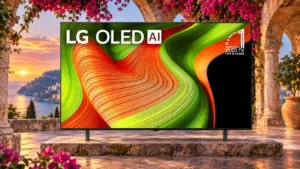
Overall: 4.2/5
Careful HDR tracking preserves the intent of most scenes and protects bright highlight detail.
Pros: value for money, color accuracy
Cons: HDR brightness, reflection handling

Overall: 4.2/5
Careful HDR tracking preserves the intent of most scenes and protects bright highlight detail.
Pros: value for money, color accuracy
Cons: HDR brightness, reflection handling
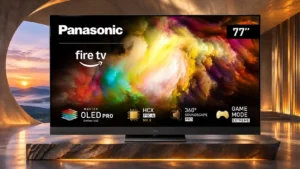
Overall: 4.0/5
The controls can emphasize bright highlights or a more faithful cinematic image, with tradeoffs in accuracy.
Pros: overall satisfaction, picture quality
Cons: size options, value for money
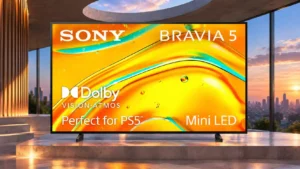
Overall: 4.0/5
Dynamic HDR adjustments preserve useful detail in tricky mixed-brightness scenes, though the brightest highlights are not always perfect.
Pros: picture quality, black levels
Cons: HDR brightness, value for money
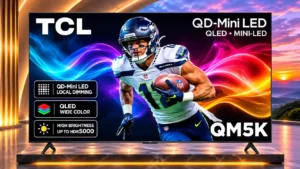
Overall: 3.6/5
Brightness curves are followed closely through most midtones, although very bright masters still run into the TV's limited output.
Pros: black levels, picture quality
Cons: HDR performance, blooming control
Overall: 4.0/5
Tone mapping brings a genuine tradeoff: some experiences are favorable, but other usage conditions expose frustrating limits.
Pros: value for money, overall satisfaction
Cons: Remote control usability, sound quality
Overall: 4.2/5
The G5 offers controlled HDR tone mapping and optional extra punch, although aggressive dynamic modes can depart from creator intent.
Pros: overall satisfaction, picture quality
Cons: banding control, remote control quality
Overall: 3.9/5
Sony’s tone mapping is generally excellent and natural, preserving highlight detail and PS5 compatibility, though a few sources note mapping errors or less impactful choices.
Pros: gaming performance, peak brightness
Cons: HDMI 2.1 support, HDMI 2.1 port count

Overall: 4.0/5
Static mapping favors accuracy, while active options add visible punch and can trade accuracy or bright detail for intensity.
Pros: reflection handling, overall satisfaction
Cons: Dolby Vision support, bass performance

Overall: 3.9/5
Tone mapping is serviceable with some important tradeoffs, rather than a standout strength.
Pros: color volume, black levels
Cons: Inconsistent panel and coating by size, sound quality

Overall: 4.2/5
Tone mapping can preserve highlights and natural midtones, but aggressive options sacrifice accuracy for extra brightness. Some scenes look darker or more processed than intended.
Pros: high-refresh-rate gaming, gaming performance
Cons: value for money, bass performance
Overall: 4.0/5
Tone mapping is a weak spot in some technical tests, with crushed dark detail and clipping near peak brightness, although other viewing modes earned praise.
Pros: peak brightness, picture quality
Cons: HDMI 2.1 port count, reflection handling

Overall: 4.2/5
Tone mapping is one of the more mixed areas. Some sources praise flexible controls and balanced highlight handling, while others report clipping or an aggressive approach that can lose texture...
Pros: overall satisfaction, value for money
Cons: smart TV platform, blooming control

Overall: 3.3/5
Tone mapping works surprisingly well on some samples in Standard mode, but other settings flatten highlights, shift shadows, or clip bright detail.
Pros: color accuracy, upscaling quality
Cons: picture quality, sound quality
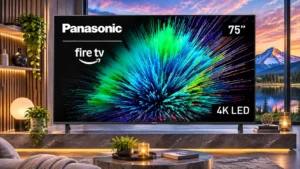
Overall: 3.3/5
Midtones generally follow the intended HDR curve, while raised shadows and limited highlights expose the panel's tonal weaknesses.
Pros: picture quality, motion handling
Cons: HDR performance, HDR brightness
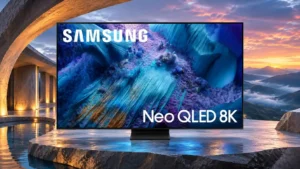
Overall: 3.8/5
Static tone mapping better preserves the intended image, while active mapping boosts brightness at the cost of some accuracy and subtlety.
Pros: glare resistance, overall satisfaction
Cons: input lag, value for money
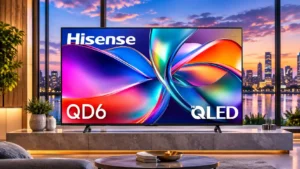
Overall: 3.0/5
Most midtones follow the intended curve, with compromise near black and near peak white.
Pros: color accuracy, Picture detail
Cons: HDR performance, motion clarity
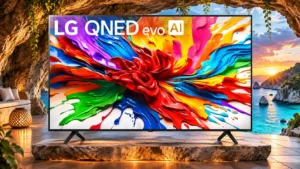
Overall: 3.9/5
Midtones can be slightly crushed even while shadow details appear controlled. Bright HDR mastering levels can affect the smoothness of highlight roll-off.
Pros: gaming performance, overall satisfaction
Cons: sound quality, value for money
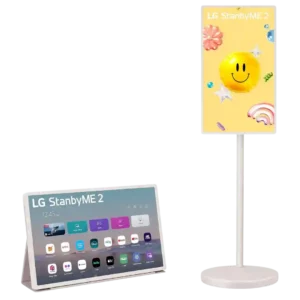
Overall: 3.8/5
Dynamic Tone Mapping Pro is present, but its real-world effect was judged modest. The edge-lit panel limits how much the processing can improve contrast-heavy HDR scenes.
Pros: overall satisfaction, portability and versatility
Cons: value for money, menu responsiveness
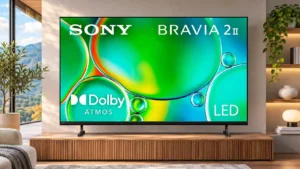
Overall: 3.6/5
An aggressive HDR roll-off retains some bright detail, but the dim screen cannot reproduce many highlights at intended intensity.
Pros: picture quality, overall satisfaction
Cons: sound quality, reliability
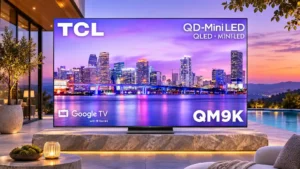
Overall: 3.9/5
The set can push highlights well beyond intended levels and darken shadow regions, even while looking exciting. Some picture modes improve the balance without fully fixing it.
Pros: peak brightness, overall satisfaction
Cons: value for money, shadow detail
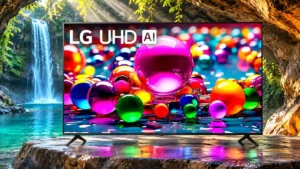
Overall: 3.0/5
HDR mids track reasonably well, but dark shading is raised and bright highlights clip.
Pros: viewing angles, smart TV platform
Cons: overall satisfaction, refresh rate
Overall: 3.0/5
Game HDR brightness settings may not track the intended presentation reliably, making some scenes too dim.
Pros: picture quality, smart TV platform
Cons: value for money, refresh rate
Overall: 3.0/5
HDR tone-mapping modes sometimes produce blown highlights or dark-looking results; tweaking settings cannot fix limited panel brightness.
Pros: color gamut, smart TV platform
Cons: value for money, overall satisfaction

Overall: 4.0/5
Tone mapping is a major accuracy caveat: some HDR scenes are over-brightened or tracked inconsistently even though the picture remains dramatic.
Pros: overall satisfaction, picture quality
Cons: reliability, build quality