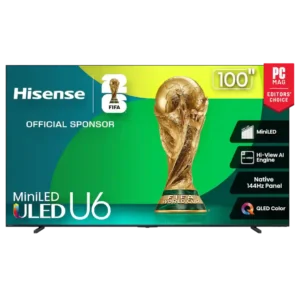
Overall: 4.2/5
FreeSync support is consistently treated as a strong gaming benefit, contributing to smooth and responsive variable-refresh play.
Pros: overall satisfaction, value for money
Cons: smart TV platform, blooming control

Overall: 4.2/5
FreeSync support is consistently treated as a strong gaming benefit, contributing to smooth and responsive variable-refresh play.
Pros: overall satisfaction, value for money
Cons: smart TV platform, blooming control
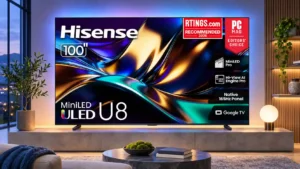
Overall: 4.1/5
FreeSync Premium Pro helps compatible PCs maintain smoother gameplay without obvious tearing.
Pros: peak brightness, HDR brightness
Cons: sound quality, viewing angles
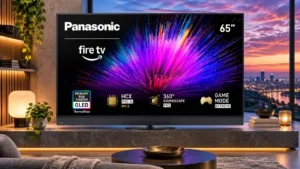
Overall: 4.3/5
FreeSync enables smoother variable-frame-rate gaming on compatible systems.
Pros: picture quality, color accuracy
Cons: bass performance, HDMI 2.1 port count
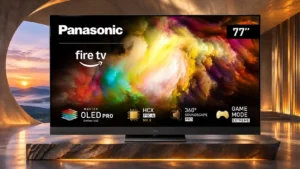
Overall: 4.0/5
FreeSync helps games remain smooth and nearly tear-free, even when frame rates fluctuate.
Pros: overall satisfaction, picture quality
Cons: size options, value for money

Overall: 3.8/5
FreeSync Premium Pro adds welcome flexibility for compatible gaming hardware.
Pros: picture quality, 4K at 144 Hz support
Cons: sound quality, value for money
Overall: 3.8/5
Support for FreeSync Premium Pro and other VRR formats helps compatible consoles and PCs avoid visible tearing.
Pros: glare resistance, overall satisfaction
Cons: input lag, value for money
Overall: 3.8/5
Compatibility with FreeSync Premium Pro helps variable-rate gaming avoid tearing when paired with capable hardware.
Pros: Wireless One Connect compatibility, art display mode
Cons: value for money, input lag
Overall: 3.4/5
FreeSync Premium Pro helps Xbox and compatible gaming hardware deliver smoother play as frame rates vary.
Pros: picture quality, value for money
Cons: viewing angles, HDR performance

Overall: 4.2/5
FreeSync and HDMI VRR support help compatible consoles and PCs keep tearing under control.
Pros: high-refresh-rate gaming, gaming performance
Cons: value for money, bass performance
Overall: 3.9/5
FreeSync support adds convenient VRR compatibility for Xbox and gaming PCs.
Pros: gaming performance, overall satisfaction
Cons: sound quality, value for money
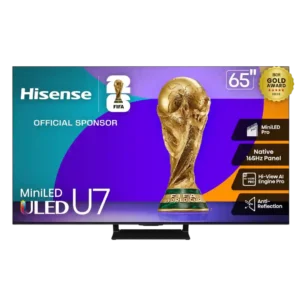
Overall: 4.0/5
FreeSync Premium support adds real gaming value, though broader VRR behavior is not flawless in every test.
Pros: overall satisfaction, picture quality
Cons: reliability, build quality
Overall: 3.9/5
FreeSync and variable-refresh-rate operation generally keep gaming nearly tear-free, though specific frame rates can flicker.
Pros: overall satisfaction, picture quality
Cons: Weight and handling, black levels
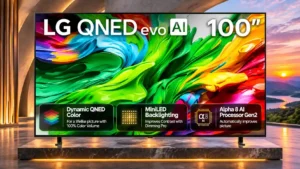
Overall: 3.7/5
FreeSync Premium Pro joins HDMI Forum VRR to help supported consoles and PCs match the display to changing frame rates.
Pros: picture quality, maximum volume
Cons: sound quality, bass performance
Overall: 3.8/5
FreeSync Premium Pro helps prevent tearing with compatible gaming hardware and complements the TV's fast HDMI inputs.
Pros: overall satisfaction, picture quality
Cons: value for money, local dimming performance
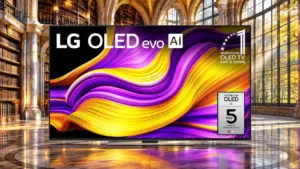
Overall: 4.2/5
FreeSync support draws favorable reactions, with clear strengths noted in the G5’s real-world performance.
Pros: overall satisfaction, picture quality
Cons: banding control, remote control quality
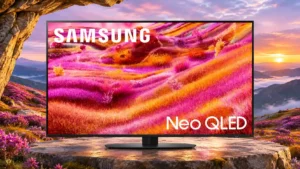
Overall: 4.2/5
Adaptive refresh support helps reduce tearing with suitable gaming hardware, including supported Xbox and PC configurations.
Pros: picture quality, glare resistance
Cons: value for money, bass performance
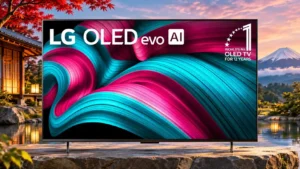
Overall: 4.0/5
AMD FreeSync contributes to clean variable-refresh gaming, particularly when paired with capable consoles or PCs.
Pros: value for money, overall satisfaction
Cons: Remote control usability, sound quality

Overall: 4.0/5
AMD FreeSync support reduces tearing and makes fluctuating frame rates look smoother when paired with compatible gaming hardware.
Pros: reflection handling, overall satisfaction
Cons: Dolby Vision support, bass performance
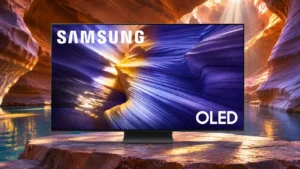
Overall: 3.9/5
FreeSync Premium Pro offers a capable variable-refresh option for AMD-powered sources.
Pros: value for money, overall satisfaction
Cons: Dolby Vision support, sound quality
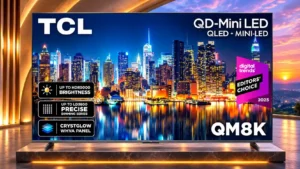
Overall: 4.0/5
FreeSync support makes console and AMD gaming smoother with less distracting screen tearing.
Pros: peak brightness, picture quality
Cons: HDMI 2.1 port count, reflection handling
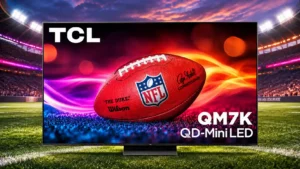
Overall: 3.9/5
FreeSync Premium Pro provides valuable variable-refresh support for compatible gaming hardware.
Pros: peak brightness, value for money
Cons: reflection handling, glare resistance

Overall: 3.3/5
FreeSync-style variable refresh can help in a narrow band, but dips below the supported window can still show tearing.
Pros: color accuracy, upscaling quality
Cons: picture quality, sound quality

Overall: 3.9/5
There is no formal AMD FreeSync certification, reducing the TV’s appeal for PC gamers even though standard HDMI VRR works.
Pros: gaming performance, peak brightness
Cons: HDMI 2.1 support, HDMI 2.1 port count
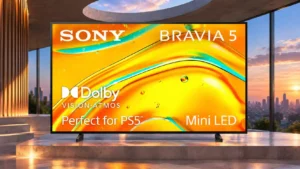
Overall: 4.0/5
Native FreeSync support is missing, although HDMI Forum VRR provides a practical alternative with compatible systems.
Pros: picture quality, black levels
Cons: HDR brightness, value for money
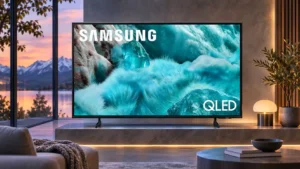
Overall: 3.0/5
FreeSync is unavailable in the tested configuration, removing one of the display features higher-end gaming buyers often want.
Pros: color gamut, smart TV platform
Cons: value for money, overall satisfaction
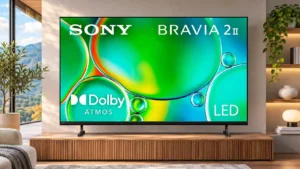
Overall: 3.6/5
The absence of AMD FreeSync is one more gaming compromise alongside the 60 Hz refresh limit and lack of variable-refresh support.
Pros: picture quality, overall satisfaction
Cons: sound quality, reliability