
Overall: 3.8/5
The TV works well with modern 4K consoles and gaming PCs, with flexible signals and gaming controls.
Pros: picture quality, 4K at 144 Hz support
Cons: sound quality, value for money

Overall: 3.8/5
The TV works well with modern 4K consoles and gaming PCs, with flexible signals and gaming controls.
Pros: picture quality, 4K at 144 Hz support
Cons: sound quality, value for money
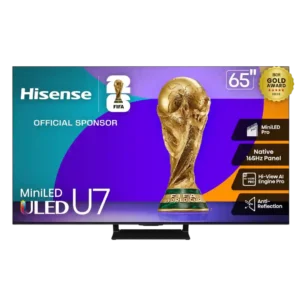
Overall: 4.0/5
4K gaming looks sharp and responsive, and buyers frequently call the set a strong console or PC display for the money.
Pros: overall satisfaction, picture quality
Cons: reliability, build quality
Overall: 3.8/5
Support for modern 4K console modes is comprehensive, although wireless transport adds lag and can undermine the practical benefit.
Pros: glare resistance, overall satisfaction
Cons: input lag, value for money

Overall: 3.9/5
Detailed, colorful OLED games look excellent, and the HDMI inputs handle modern 4K consoles without sacrificing responsiveness.
Pros: color volume, black levels
Cons: Inconsistent panel and coating by size, sound quality
Overall: 3.9/5
4K games can look detailed and vividly colored with responsive control, especially on current-generation consoles.
Pros: peak brightness, overall satisfaction
Cons: value for money, shadow detail
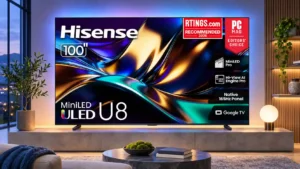
Overall: 4.1/5
The U8QG is responsive and visually punchy for 4K games, though its darkest motion transitions are not as clear as those on faster competing panels.
Pros: peak brightness, HDR brightness
Cons: sound quality, viewing angles

Overall: 4.2/5
4K games look sharp and detailed, with support for high frame rates and modern console features. Native 8K input is more limited.
Pros: high-refresh-rate gaming, gaming performance
Cons: value for money, bass performance
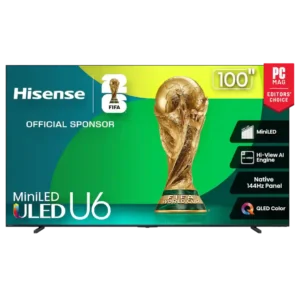
Overall: 4.2/5
4K gaming is generally praised for crisp detail, smooth response, and strong console compatibility. One source is more cautious about the highest-end gaming features, but still finds casual 4K play...
Pros: overall satisfaction, value for money
Cons: smart TV platform, blooming control
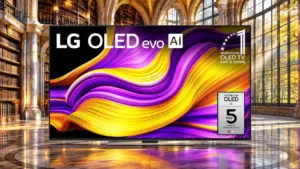
Overall: 4.2/5
4K gaming support draws favorable reactions, with clear strengths noted in the G5’s real-world performance.
Pros: overall satisfaction, picture quality
Cons: banding control, remote control quality
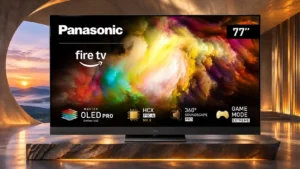
Overall: 4.0/5
Its 4K gaming feature set is broad and effective, with a caveat about which HDMI inputs can handle the fastest signals.
Pros: overall satisfaction, picture quality
Cons: size options, value for money
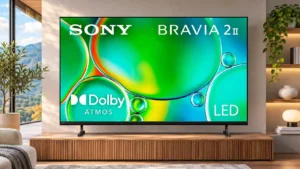
Overall: 3.6/5
At the supported 4K/60 setting, console games can feel smooth and responsive; the panel cannot deliver the higher frame rates of premium gaming TVs.
Pros: picture quality, overall satisfaction
Cons: sound quality, reliability
Overall: 3.9/5
4K gaming combines detailed visuals and responsive inputs with impressive HDR colors and contrast.
Pros: peak brightness, value for money
Cons: reflection handling, glare resistance
Overall: 3.9/5
Games at 4K look colorful and responsive, with current-generation consoles supported at 120Hz.
Pros: gaming performance, overall satisfaction
Cons: sound quality, value for money
Overall: 3.8/5
The QN80F combines 4K inputs, low lag and VRR for a strong modern gaming package, though motion clarity is not uniformly excellent.
Pros: overall satisfaction, picture quality
Cons: value for money, local dimming performance
Overall: 4.0/5
A huge screen, low input lag and 4K HDR presentation make the 98-inch model especially engaging for games.
Pros: picture quality, black levels
Cons: HDR brightness, value for money
Overall: 4.0/5
Modern 4K gaming looks vivid and detailed, backed by low latency and high-bandwidth HDMI inputs.
Pros: value for money, overall satisfaction
Cons: Remote control usability, sound quality

Overall: 4.0/5
Detailed 4K games look vibrant and responsive, with ample bandwidth for current console play and higher PC refresh rates where supported.
Pros: reflection handling, overall satisfaction
Cons: Dolby Vision support, bass performance
Overall: 3.9/5
4K games are playable, but the advanced 120Hz experience depends on selecting one of the larger HDMI 2.1-equipped models.
Pros: picture quality, contrast ratio
Cons: HDR performance, motion handling
Overall: 3.7/5
PS5 and Xbox Series X|S signals work at 4K/120Hz, though Xbox owners lose Dolby Vision gaming.
Pros: picture quality, maximum volume
Cons: sound quality, bass performance
Overall: 4.2/5
Modern 4K gaming is well served by sharp graphics, ample brightness and low input lag; motion trails in darker games remain a concern.
Pros: picture quality, glare resistance
Cons: value for money, bass performance
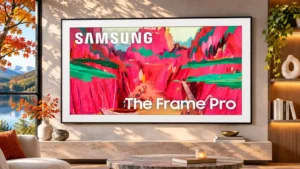
Overall: 3.8/5
High-resolution game inputs are supported, but excellent signal compatibility should not be mistaken for great responsiveness.
Pros: Wireless One Connect compatibility, art display mode
Cons: value for money, input lag

Overall: 3.9/5
4K gaming is enjoyable at 120Hz and benefits from Sony’s console-focused features, though Dolby Vision gaming and the refresh ceiling bring some tradeoffs.
Pros: gaming performance, peak brightness
Cons: HDMI 2.1 support, HDMI 2.1 port count
Overall: 3.0/5
Native 4K gaming works at up to 60fps, enough for casual play but below the maximum of modern consoles.
Pros: picture quality, smart TV platform
Cons: value for money, refresh rate
Overall: 3.0/5
4K games look respectable in the low-lag preset, but the screens cannot run them at 120Hz.
Pros: color accuracy, Picture detail
Cons: HDR performance, motion clarity

Overall: 3.3/5
The TV can display 4K game signals at 60Hz, but not the high-frame-rate 4K modes of newer gaming displays.
Pros: color accuracy, upscaling quality
Cons: picture quality, sound quality
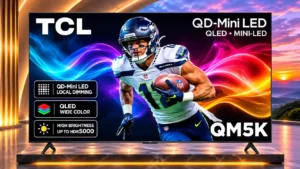
Overall: 3.6/5
Native 4K gaming works at up to 60Hz, but players must lower resolution for faster refresh on supported sizes.
Pros: black levels, picture quality
Cons: HDR performance, blooming control