Best for value for money
ASUS ProArt Display PA279CRV
4.9 attribute score
Highest scored product for this attribute based on supporting review evidence.

Highest scored product for this attribute based on supporting review evidence.
Balances the attribute score, supporting reviews, and overall product strength.
Has the broadest review evidence for this attribute.
Strongest overall product among items with scored evidence for this attribute.
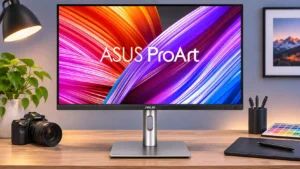
Wide-gamut color, 4K clarity, docking, and an adjustable stand make a compelling creator-oriented deal. Higher-priced competitors justify their cost mainly with superior contrast, refresh, and switching features.
Pros: USB-C power delivery, port selection
Cons: HDR performance, refresh rate
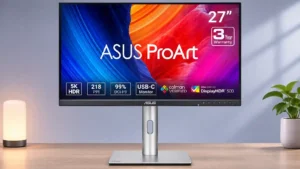
This is one of the most affordable ways to get a large 6K panel with serious creative features. The savings require accepting plastic construction and limited HDR.
Pros: value for money, Resolution
Cons: HDR performance, refresh rate
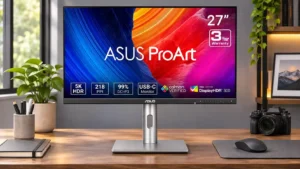
A relatively affordable path to a high-density 5K creator screen is a recurring selling point. Premium 4K models can still cost less and deliver comparable practical clarity for some.
Pros: color accuracy, overall picture quality
Cons: HDR performance, refresh rate
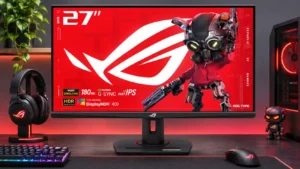
Its motion tuning, color accuracy, and ergonomic stand are excellent for the money, especially on sale. Less expensive rivals can be better for HDR or particular features.
Pros: value for money, Resolution
Cons: HDR performance, port selection
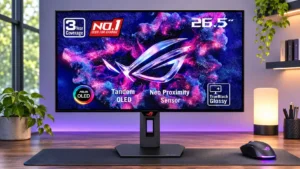
Most reviewers consider the bright 280Hz Tandem OLED unusually competitive for its class; a few point to cheaper OLEDs or faster rivals.
Pros: overall satisfaction, response time
Cons: reflection handling, VRR flicker
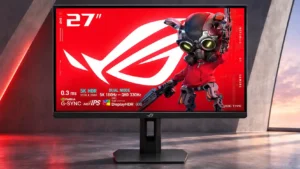
Many find the pricing attractive for a 5K high-refresh monitor, but others argue similarly priced OLED alternatives offer better contrast and gaming speed.
Pros: Pixel density, Resolution
Cons: GPU demands, HDR performance
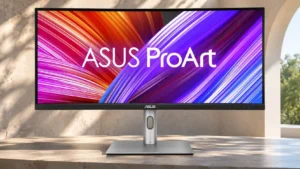
Several assessments find the mix of accurate SDR color, screen space and docking excellent for the money, although one video sees the price as relatively high.
Pros: color accuracy, value for money
Cons: color gamut, black levels
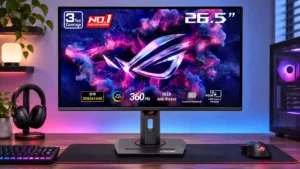
Feature-rich 360Hz OLED performance is appealing at a discount, while full-price comparisons with cheaper 240Hz panels and newer OLEDs require care.
Pros: color gamut, overall satisfaction
Cons: reflection handling, VRR flicker
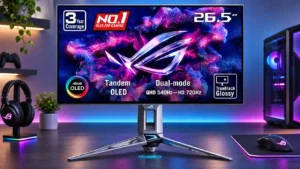
The cutting-edge screen earns praise, but several tests suggest 280Hz or 500Hz OLED alternatives can provide much of the experience for less.
Pros: black levels, motion clarity
Cons: value for money, Dual-mode versatility
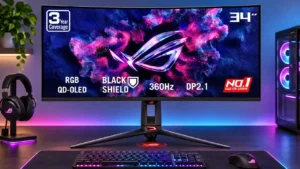
Performance and features are compelling, but the asking price is steep compared with capable 240Hz and 280Hz alternatives. The premium is easiest to justify for speed enthusiasts.
Pros: color gamut, contrast
Cons: value for money, Resolution

The price is steep for an IPS QHD screen, yet dedicated esports buyers can get OLED-rivaling motion without funding a 540Hz-plus GPU-and-monitor setup.
Pros: motion clarity, Backlight strobing
Cons: contrast, HDR performance
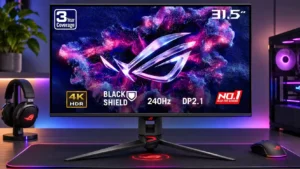
Flagship image quality and build are widely praised, but the high asking price faces strong competition from cheaper OLEDs. Owners of the original PG32UCDM gain relatively little unless the coating...
Pros: overall satisfaction, black levels
Cons: value for money, stand adjustability
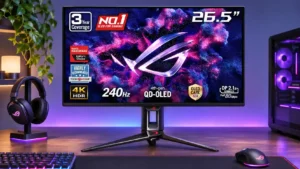
Exceptional performance comes with a high price, and several similar OLEDs are cheaper or larger. The premium is easiest to justify when its particular extras matter.
Pros: sharpness, overall satisfaction
Cons: value for money, VRR flicker
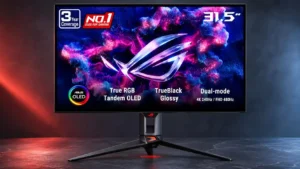
Pricing around flagship territory divides opinion: the sharp RGB-stripe panel and feature set impress, but much cheaper 4K OLEDs often deliver comparable gaming thrills.
Pros: black levels, sharpness
Cons: value for money, brightness