Best for HDR performance
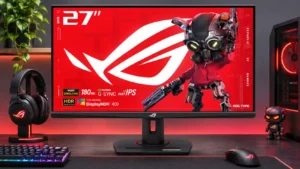
ASUS ROG Strix OLED XG27AQWMG
4.9 attribute score
Highest scored product for this attribute based on supporting review evidence.

Highest scored product for this attribute based on supporting review evidence.
Balances the attribute score, supporting reviews, and overall product strength.
Has the broadest review evidence for this attribute.
Strongest overall product among items with scored evidence for this attribute.
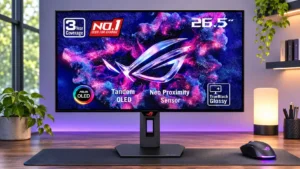
Tandem OLED brings impressive HDR brightness and superb contrast, especially in darker scenes. Full-screen output remains below the brightest Mini LED displays.
Pros: overall satisfaction, response time
Cons: reflection handling, VRR flicker
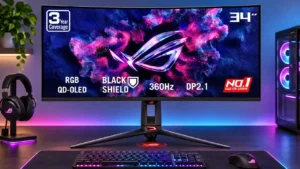
HDR is a major strength thanks to pixel-level contrast and improved peak output. No single mode combines full accuracy, peak intensity and freedom from dimming.
Pros: color gamut, contrast
Cons: value for money, Resolution
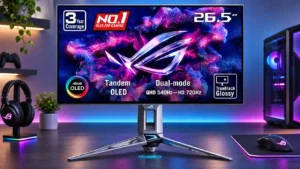
Tandem OLED delivers impressive HDR contrast and highlight brightness, often ahead of older OLED models. The highest-brightness configurations can sacrifice accurate tone tracking.
Pros: black levels, motion clarity
Cons: value for money, Dual-mode versatility
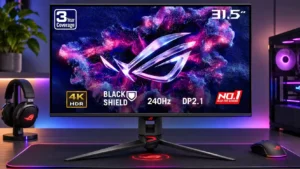
Rich color, nearly perfect blacks, and bright highlights make HDR gaming a standout experience. Actual brightness gains over previous QD-OLED generations are more modest than the marketing suggests, and dimming...
Pros: overall satisfaction, black levels
Cons: value for money, stand adjustability
Deep blacks and vivid QD-OLED color create dramatic HDR images, particularly in dark scenes; bright full-screen scenes and some tone-mapping choices are less convincing.
Pros: color gamut, overall satisfaction
Cons: reflection handling, VRR flicker
Rich blacks and intense small highlights give HDR games and movies real impact. Large bright scenes and the compromises between HDR modes keep it short of a flawless presentation.
Pros: sharpness, overall satisfaction
Cons: value for money, VRR flicker
HDR can look excellent in dark, high-contrast scenes, but limited full-screen brightness and imperfect bright-mode tracking keep it behind the best alternatives.
Pros: black levels, sharpness
Cons: value for money, brightness
One assessment likes HDR10's added visual range, but more critical testing finds highlights dull and the overall HDR presentation unconvincing.
Pros: color accuracy, value for money
Cons: color gamut, black levels
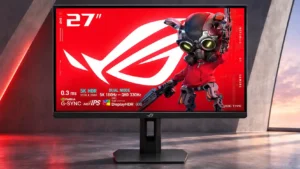
Some reviewers enjoy the strong measured brightness and vivid color, while others find HDR unconvincing because edge-lit dimming cannot produce deep blacks or clean highlights.
Pros: Pixel density, Resolution
Cons: GPU demands, HDR performance
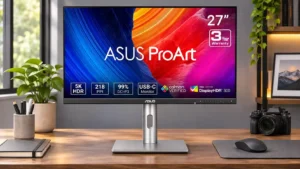
HDR is usable for basic previewing or occasional viewing, but large edge-lit zones and limited black depth fall short of serious HDR mastering and cinematic contrast.
Pros: color accuracy, overall picture quality
Cons: HDR performance, refresh rate
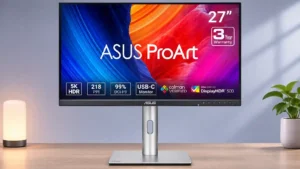
HDR is the primary image-quality compromise: decent brightness cannot make up for limited dimming and modest contrast. It is more suitable for occasional previewing than final reference grading.
Pros: value for money, Resolution
Cons: HDR performance, refresh rate
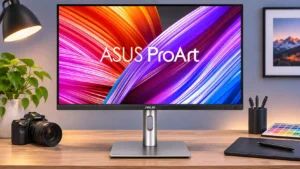
HDR signal support does not translate into convincing HDR contrast or highlights. Limited brightness, shallow black levels, and weak or absent effective dimming make HDR the clearest display weakness.
Pros: USB-C power delivery, port selection
Cons: HDR performance, refresh rate
HDR400 can add a little color and brightness excitement, but poor blacks and no local dimming prevent convincing HDR highlights.
Pros: value for money, Resolution
Cons: HDR performance, port selection

HDR looks much like bright SDR: it lacks impactful highlights, deep blacks, and the local dimming needed for convincing scene depth.
Pros: motion clarity, Backlight strobing
Cons: contrast, HDR performance