Best for color gamut
Asus ROG Swift 34 QD-OLED PG34WCDN
5.0 attribute score
Highest scored product for this attribute based on supporting review evidence.

Highest scored product for this attribute based on supporting review evidence.
Balances the attribute score, supporting reviews, and overall product strength.
Has the broadest review evidence for this attribute.
Strongest overall product among items with scored evidence for this attribute.

Exceptionally broad DCI-P3 coverage and vivid QD-OLED color volume give games and HDR media rich, saturated tones.
Pros: color gamut, contrast
Cons: value for money, Resolution
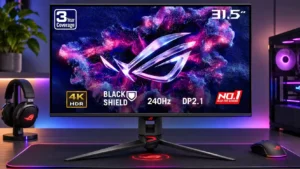
Wide QD-OLED color coverage creates richly saturated game worlds and HDR highlights. It also supplies flexible color-space options for work where faithful colors matter.
Pros: overall satisfaction, black levels
Cons: value for money, stand adjustability

The broad DCI-P3 and Adobe RGB coverage supports rich game color and detailed creative visuals. Wide-gamut material looks especially vibrant.
Pros: sharpness, overall satisfaction
Cons: value for money, VRR flicker

The broad QD-OLED gamut produces exceptionally vivid reds and rich colors, with sRGB clamping available when restraint matters more than saturation.
Pros: color gamut, overall satisfaction
Cons: reflection handling, VRR flicker
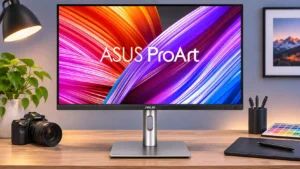
P3 and Adobe RGB coverage are strong for the price, benefiting both digital and print creators. A minority measured less Adobe RGB coverage than advertised, so the precise gamut remains...
Pros: USB-C power delivery, port selection
Cons: HDR performance, refresh rate
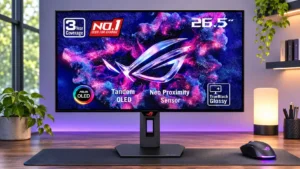
The fourth-generation WOLED panel covers an unusually broad range, producing rich game colors and much wider Rec.2020 coverage than older models.
Pros: overall satisfaction, response time
Cons: reflection handling, VRR flicker
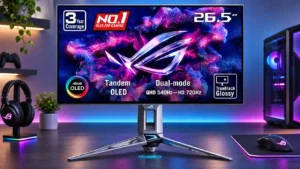
The wide gamut gives games vivid colors and substantially improves on older WOLED generations. Native SDR colors can oversaturate without an appropriate gamut clamp.
Pros: black levels, motion clarity
Cons: value for money, Dual-mode versatility
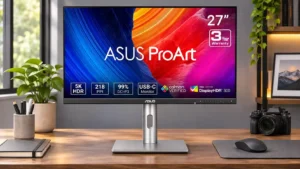
P3 and sRGB coverage are typically excellent and there are useful gamut presets. Adobe RGB coverage is less complete and can matter for print-oriented work.
Pros: color accuracy, overall picture quality
Cons: HDR performance, refresh rate

Coverage around the DCI-P3 space is generous and a step above older standard WOLEDs, though it falls slightly short of the widest competing OLED panels.
Pros: black levels, sharpness
Cons: value for money, brightness
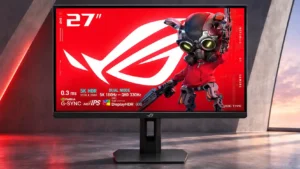
Colors are widely praised as vibrant and rich, although the gamut is not as extensive as the best specialist creator displays.
Pros: Pixel density, Resolution
Cons: GPU demands, HDR performance
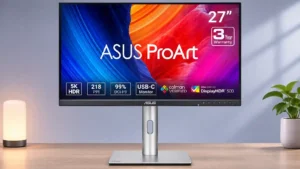
The panel covers sRGB and most of DCI-P3 very well for digital content. Adobe RGB coverage is noticeably narrower, limiting confidence for some print-focused workflows.
Pros: value for money, Resolution
Cons: HDR performance, refresh rate
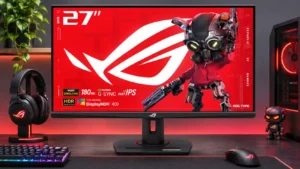
The wide color range makes games and images lively, though coverage is more conventional than high-end quantum-dot or OLED alternatives.
Pros: value for money, Resolution
Cons: HDR performance, port selection
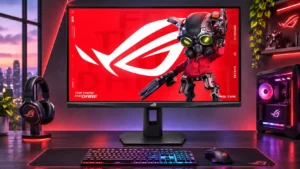
Colors are pleasantly vivid for IPS and suitable for gaming, but P3 coverage and saturation trail several premium OLED and wide-gamut rivals.
Pros: motion clarity, Backlight strobing
Cons: contrast, HDR performance
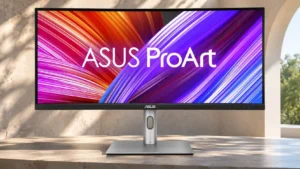
Full sRGB and Rec.709 coverage suits everyday creative work, but DCI-P3 coverage is comparatively modest and limits broader-gamut ambitions.
Pros: color accuracy, value for money
Cons: color gamut, black levels