
Noise level is a major strength for red-switch units, repeatedly described as very quiet or near-silent.
Pros: portability, value for money
Cons: software quality, key spacing

Noise level is a major strength for red-switch units, repeatedly described as very quiet or near-silent.
Pros: portability, value for money
Cons: software quality, key spacing
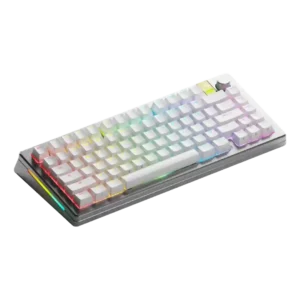
Noise level was generally praised, with reviewers calling the board very quiet or unobtrusive in use.
Pros: customization options, gaming performance
Cons: value for money, software quality

Noise level was strongly positive, with reviewers repeatedly calling the keyboard quiet, subtle, not very loud, or free of annoying clickiness.
Pros: build quality, switch feel
Cons: switch options

Noise level was generally praised as office-friendly, quiet, or not invasive while still sounding pleasant.
Pros: size and form factor, typing feel
Cons: switch options, portability

Noise was widely praised as quiet, calm, and non-disruptive, making the board suitable for shared or quieter spaces.
Pros: software quality, switch feel
Cons: legend visibility, extra gaming features
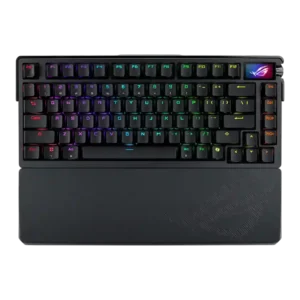
Noise level was favorable, with reviewers describing the sound as muted or quiet while still satisfying.
Pros: build quality, customization options
Cons: value for money, rapid trigger support

Noise level received limited but positive evidence from a reviewer who described the sound as muted and thocky rather than harsh.
Pros: customization options, build quality
Cons: connectivity

Most reviewers found the Q1 HE quiet or quieter than typical mechanical boards, though PCWorld considered it noisy compared with quieter expectations.
Pros: value for money, software quality
Cons: switch options, ergonomics

Noise levels were widely praised as quiet or muted for a mechanical gaming keyboard, helped by low-profile switches and dampening.
Pros: switch feel, battery life
Cons: volume control, media controls
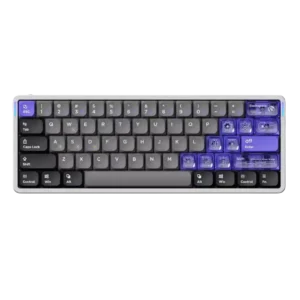
Noise level was considered office-friendly or pleasantly controlled rather than truly silent.
Pros: software quality, switch feel
Cons: connectivity, layout options

Noise level was usually considered reasonable, with reviewers saying it was quieter than before or not distracting.
Pros: value for money, rapid trigger support
Cons: media controls, stabilizer quality
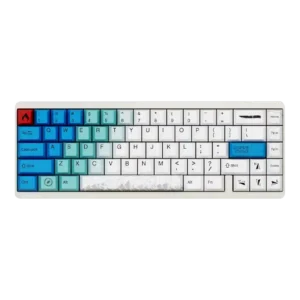
Noise level had limited positive evidence, with one reviewer describing it as not too loud for a rapid-trigger keyboard.
Pros: design aesthetics, build quality
Cons: software quality, customization options

Noise level was generally acceptable to good, with reviewers describing it as quiet enough or not overly clicky, though not silent.
Pros: value for money, design aesthetics
Cons: cable quality, ergonomics

Noise level is context-dependent: some reviewers call it quieter than peers, while IGN found it louder than a typical linear mechanical board.
Pros: typing feel, gaming performance
Cons: software quality, value for money
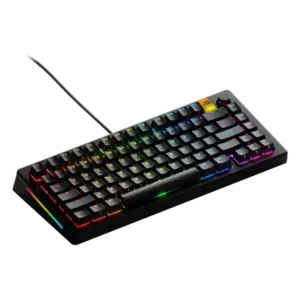
Noise level varied by configuration, from muted and late-night-friendly to a louder clack on some switch/keycap combinations.
Pros: customization options, software quality
Cons: value for money, materials quality

Noise level was mixed: some found tactile switches muted or mic-friendly, while others called the board clicky, loud, or mushy-sounding.
Pros: value for money, battery life
Cons: hot-swappable switches, noise level

Noise level was mixed: some reviewers found it surprisingly quiet, while others said the sound carried, clicked, or was too loud for shared spaces.
Pros: gaming performance, switch feel
Cons: value for money, extra gaming features
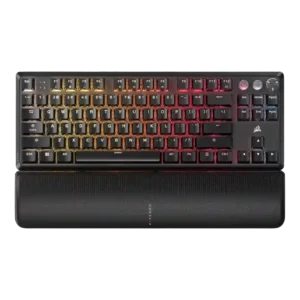
Noise level depended heavily on switch choice and board acoustics, with quiet Red-switch praise balanced by noisy, clicky, and ping-heavy complaints.
Pros: value for money, keycap quality
Cons: polling rate, acoustics
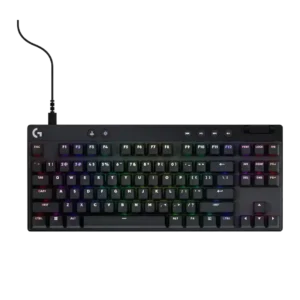
Noise level is one of the weakest areas on several units, with complaints about distracting clack, rattling, and loud sound.
Pros: build quality, software quality
Cons: value for money, hot-swappable switches